



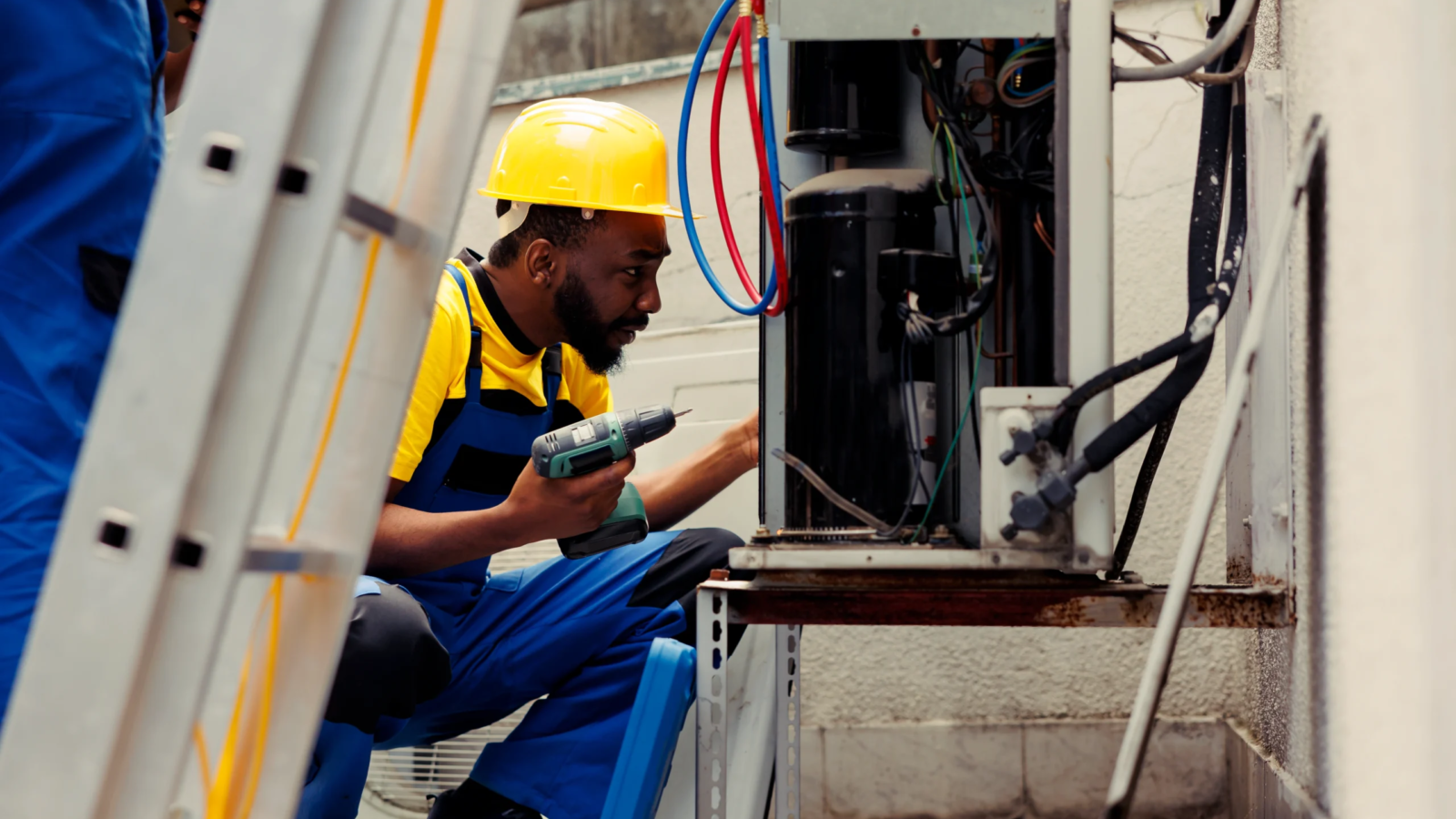
The Decision That Can Cost You Thousands
When your air conditioner starts acting up, the biggest question isn’t just how to fix it, it’s whether fixing it is even the right choice. Many homeowners immediately go for repair because it seems cheaper in the moment. However, what feels like a cost-saving decision today can turn into repeated expenses over time.
On the other hand, replacing your AC system is a bigger upfront investment, but it can offer long-term savings, improved efficiency, and better comfort. The challenge is knowing exactly when to repair and when to replace. Making the wrong decision can cost you hundreds or even thousands of dollars.
Understanding the real factors behind this decision helps you choose the option that truly saves money—not just in the short term, but over the life of your system.
Should You Repair or Replace Your AC?
If your AC unit is relatively new, well-maintained, and the repair cost is low, repairing it is usually the better option. However, if your system is older, inefficient, and requires frequent repairs, replacing it becomes the smarter long-term investment.
Understanding the True Cost of AC Repair
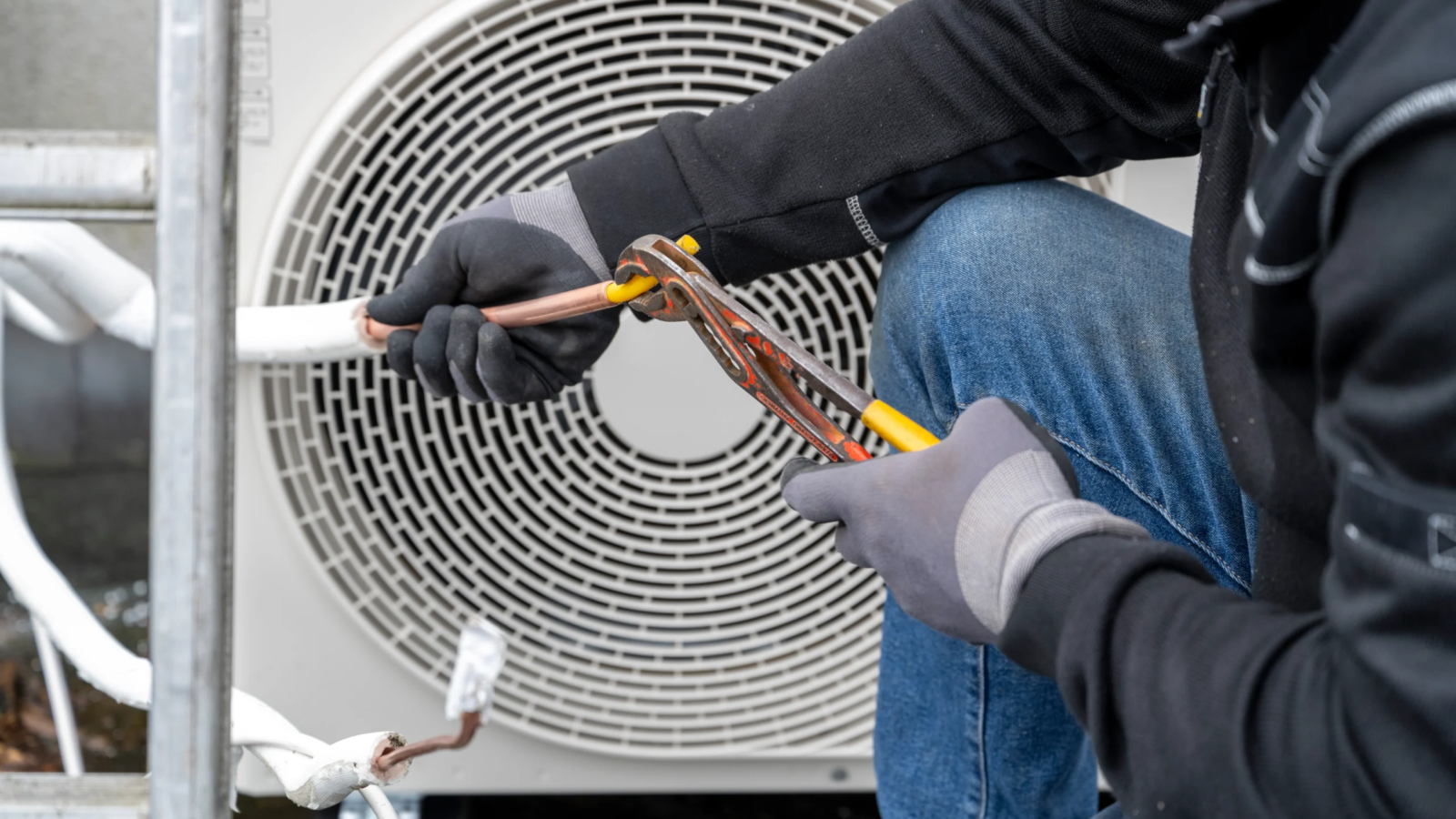
At first glance, repairing an air conditioner seems like the obvious choice. A single repair might cost a few hundred dollars, which is significantly less than replacing the entire system. However, the real cost of repair is not just the price of one fix—it’s the total cost of keeping the system running over time.
Older systems often develop recurring issues. What starts as a small repair can turn into multiple service calls within a year. Each repair adds to the total cost, and eventually, you may find yourself spending more than the value of the system itself.
Another important factor is efficiency. Even after repair, an older AC unit may continue to consume more energy, increasing your monthly utility bills. This hidden cost often goes unnoticed but has a significant impact over time.
When Repair Is the Right Choice
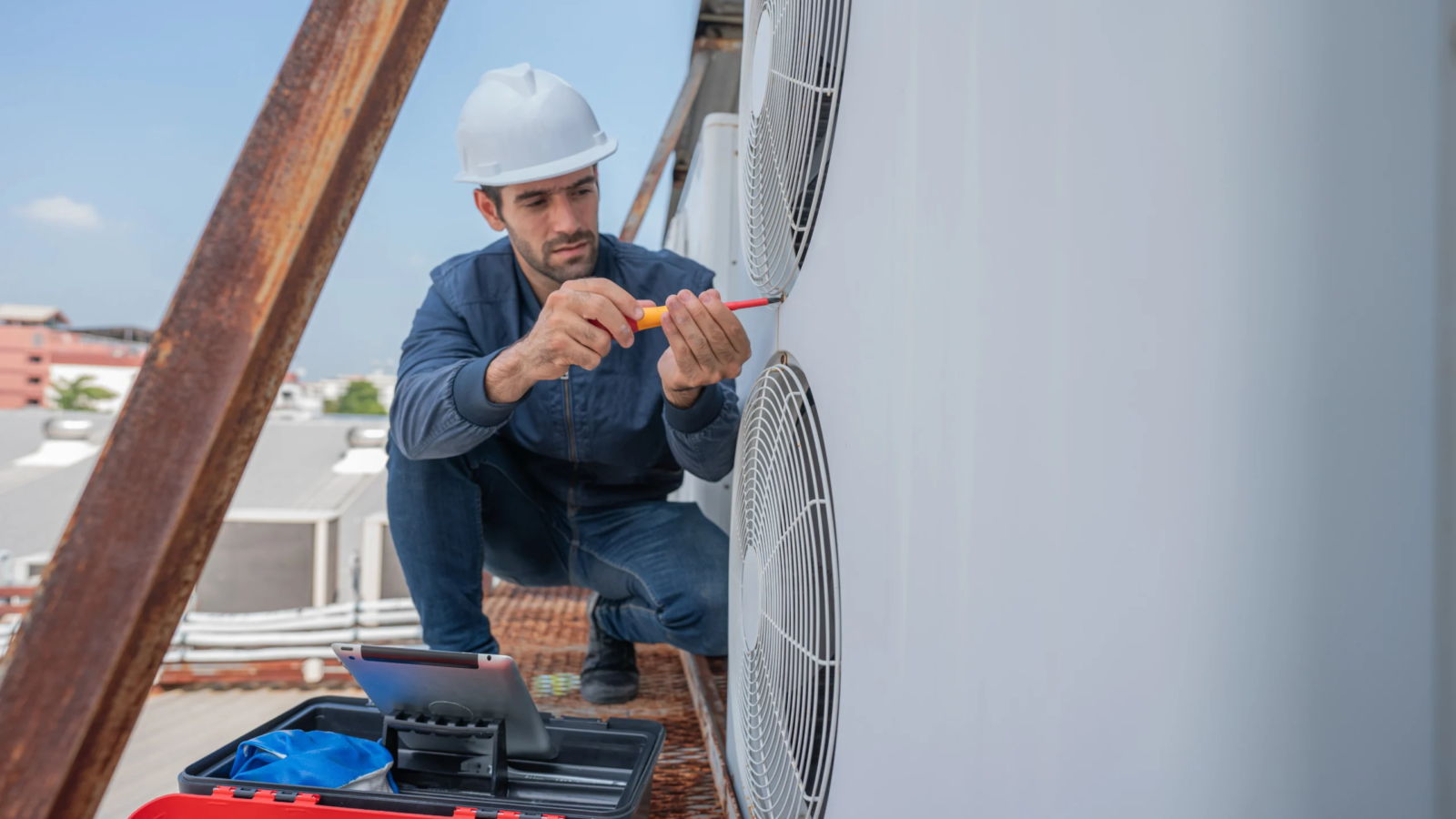
Repairing your AC makes sense when the system is still in good overall condition. If your unit is less than 8–10 years old and hasn’t required frequent repairs, fixing the issue can extend its lifespan without major expense.
Minor issues such as thermostat malfunctions, capacitor failures, or clogged filters are relatively inexpensive to fix. In these cases, repair provides a quick and cost-effective solution without the need for a major investment.
Additionally, if your system has been regularly maintained and the current problem is isolated, repair is usually the best option. A well-maintained AC unit can continue to perform efficiently for many years with proper care.
When Replacement Becomes the Smarter Investment
As your AC system ages, the cost of keeping it running begins to rise. Components wear out, efficiency declines, and breakdowns become more frequent. At this stage, continuing to repair the system often becomes less practical.
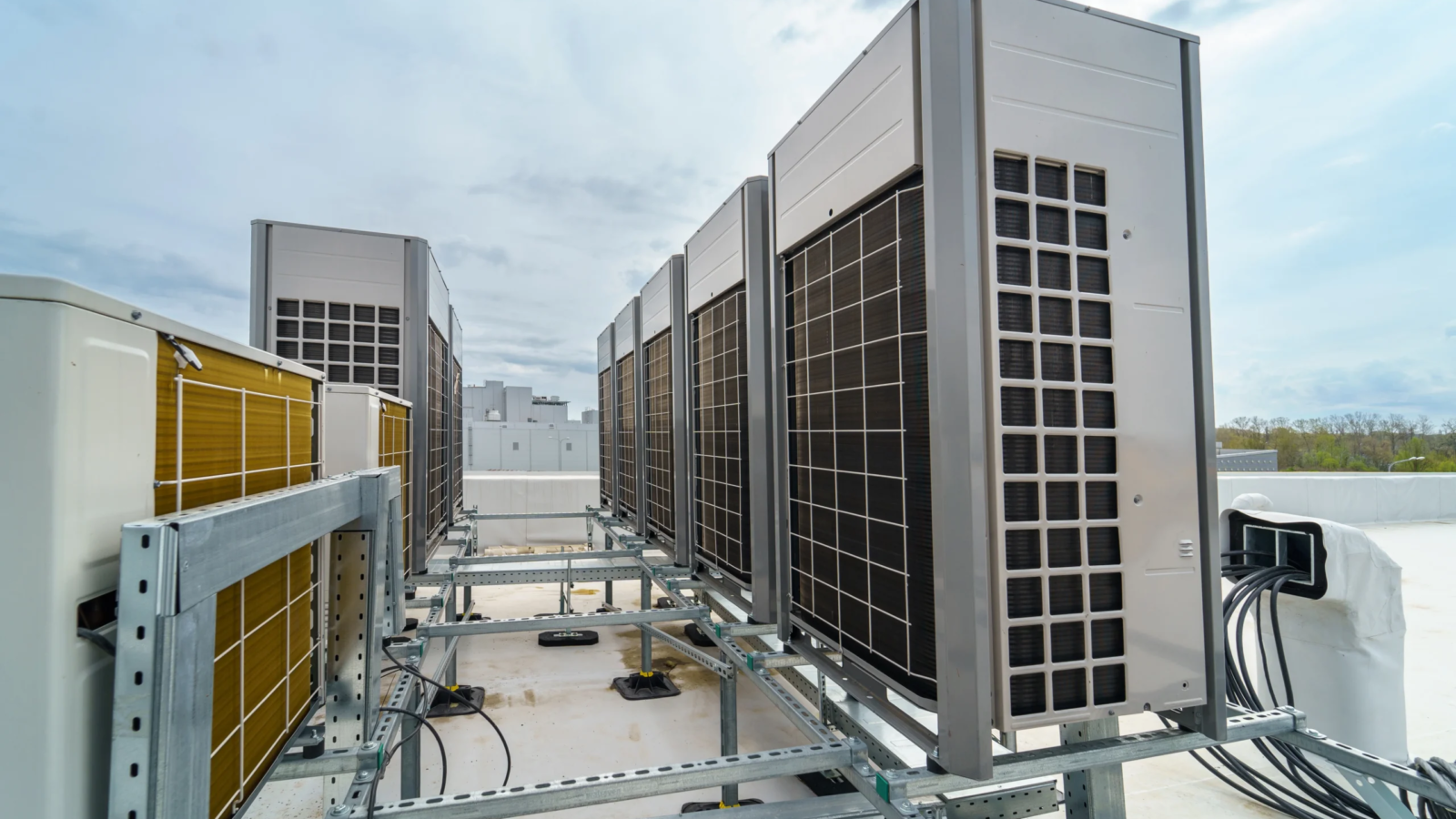
One of the biggest reasons to consider replacement is energy efficiency. Modern air conditioners are designed to use significantly less energy while providing better cooling performance. Upgrading to a newer system can reduce your monthly energy bills and improve overall comfort.
Another factor is reliability. Older systems are more likely to fail during peak usage periods, such as the hottest days of summer. Replacing the system eliminates the uncertainty and ensures consistent performance.
The 50% Rule: A Practical Decision Guide
A commonly used guideline in the HVAC industry is the 50% rule. If the cost of repair is more than 50% of the cost of a new system, replacement is usually the better option.
This rule helps homeowners avoid investing heavily in a system that may not last much longer. Instead of spending a large amount on repairs, that money can be put toward a new, more efficient system.
Energy Efficiency and Long-Term Savings
One of the most overlooked factors in this decision is energy efficiency. Older AC units often consume more power to deliver the same level of cooling. Over time, this results in higher electricity bills. Newer systems are built with advanced technology that improves efficiency and reduces energy consumption. While the upfront cost of replacement may seem high, the long-term savings on energy bills can offset this expense.
Comfort and Performance Differences
Beyond cost, comfort is another important consideration. Older systems often struggle to maintain consistent temperatures, leading to uneven cooling and humidity issues. New AC systems provide better temperature control, improved airflow, and enhanced humidity management. This results in a more comfortable indoor environment, especially during extreme weather conditions.
Repair vs Replacement: The Emotional Factor
Homeowners often hesitate to replace their AC because of the upfront cost. There’s a natural tendency to keep repairing a system in the hope that it will last a little longer. However, this approach can lead to ongoing frustration and unexpected expenses. Making a clear, informed decision based on facts rather than emotion helps avoid these issues.
Making the Right Decision for Your Home
The decision between repair and replacement should be based on a combination of factors, including the age of the system, repair history, efficiency, and overall performance.
If your system is still relatively new and the issue is minor, repair is usually the right choice. If the system is aging, inefficient, and requires frequent repairs, replacement becomes the more practical and cost-effective solution.
Conclusion
AC repair may seem like the cheaper option at first, but it’s not always the most cost-effective in the long run. Understanding the true cost of repairs, efficiency, and system performance helps you make a smarter decision.
By evaluating both short-term expenses and long-term savings, you can choose the option that truly benefits your home and budget.