
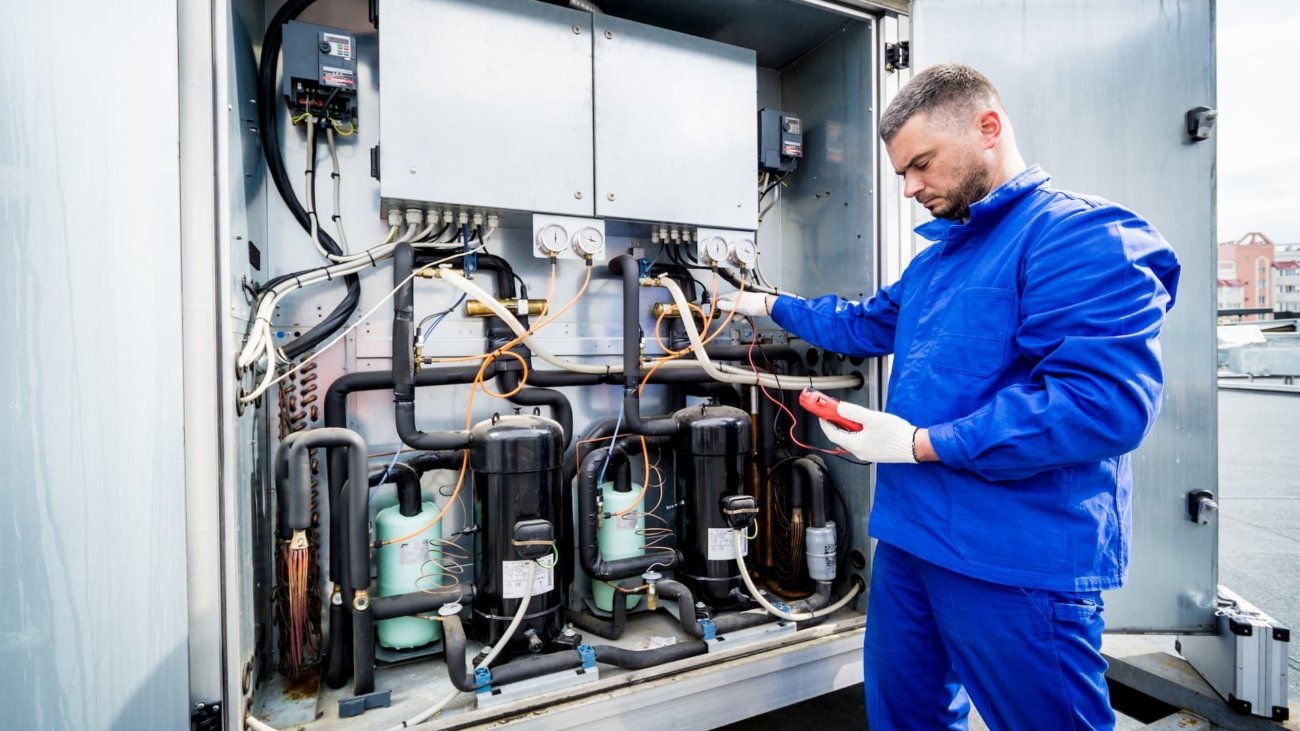
A heat pump is one of the most efficient HVAC systems because it provides both heating and cooling throughout the year. However, this year-round usage also means it experiences more wear and tear compared to traditional systems. Over time, small issues begin to develop, and if they are ignored, they can quickly turn into serious problems.
Many homeowners assume their heat pump is working fine as long as it turns on. But performance issues often start subtly, such as reduced efficiency, longer cycles, or uneven temperatures. These early warning signs are easy to overlook, but they are your system’s way of telling you that something needs attention.
Understanding when your heat pump needs repair can help you avoid costly breakdowns, reduce energy bills, and maintain consistent comfort in your home.
When Does a Heat Pump Need Repair?
A heat pump needs repair when it stops maintaining temperature, runs continuously, makes unusual noises, or causes a noticeable increase in energy bills. These signs indicate that the system is no longer operating efficiently and requires professional inspection.
Reduced Heating or Cooling Performance
One of the most common signs of a failing heat pump is reduced performance. If your system is no longer heating or cooling your home effectively, it usually means something is wrong internally.
This problem often starts gradually. You may notice that it takes longer for your home to reach the desired temperature, or that certain rooms feel less comfortable than others. Over time, the issue becomes more noticeable, and the system struggles to maintain consistent performance.
Reduced efficiency can be caused by refrigerant issues, airflow restrictions, or worn-out components. Addressing the problem early can prevent further damage and restore performance.
Heat Pump Running Constantly
If your heat pump seems to be running all the time, it’s a clear sign that something is wrong. While heat pumps are designed to run longer cycles than traditional systems, they should not run continuously without reaching the desired temperature.
Continuous operation often indicates that the system is struggling to maintain efficiency. This can be caused by dirty filters, thermostat issues, or low refrigerant levels. Over time, this constant strain increases wear on the system and leads to higher energy bills.
Unusual Noises from the System
Heat pumps are generally quiet, so any unusual noise should be taken seriously. Grinding, buzzing, or rattling sounds often indicate mechanical or electrical problems.
These noises are usually a sign that internal components are wearing out or malfunctioning. Ignoring them can lead to more serious damage, which may require expensive repairs or even system replacement.
Frequent Cycling and Temperature Fluctuations
Short cycling occurs when your heat pump turns on and off frequently without completing a full cycle. This behavior reduces efficiency and places additional stress on the system.
Temperature fluctuations are another related issue. If your home feels too hot one moment and too cold the next, it means your heat pump is not maintaining consistent performance.
These problems are often linked to thermostat issues, airflow restrictions, or system imbalance.
Rising Energy Bills Without Increased Usage
One of the clearest signs of a heat pump problem is a sudden increase in energy bills. When your system becomes inefficient, it uses more energy to produce the same level of comfort.
Many homeowners overlook this sign, assuming the increase is due to weather changes. However, a consistent rise in energy costs usually indicates that your heat pump is working harder than it should.
Ice Buildup on the Outdoor Unit
Ice formation on the outdoor unit is a common issue with heat pumps, especially during colder months. While some frost is normal, excessive ice buildup is not.
This problem can prevent the system from operating efficiently and may indicate airflow issues or refrigerant problems. If not addressed, it can lead to further damage and reduced performance.
Common Heat Pump Problems Explained
Heat pumps can develop a variety of issues over time. Refrigerant leaks are one of the most common and can significantly affect performance. Electrical issues, such as faulty wiring or failing components, can also disrupt operation.
Mechanical wear is another factor. Because heat pumps run year-round, components such as motors and fans experience continuous use. Without proper maintenance, these parts can wear out and require repair.
Understanding these common problems helps homeowners recognize when professional service is needed.
Why Delaying Heat Pump Repair Increases Costs
Delaying repair is one of the biggest mistakes homeowners make. Small issues rarely stay small. As the system continues to operate under stress, other components are affected, leading to more extensive damage.
This not only increases repair costs but also reduces the lifespan of your heat pump. Addressing problems early helps maintain efficiency and prevents unexpected breakdowns.
When to Call a Professional Technician
While some basic maintenance tasks can be handled at home, most heat pump repairs require professional expertise. If your system shows any of the warning signs mentioned above, it’s best to call a technician.
A professional can accurately diagnose the issue, perform necessary repairs, and ensure that your system operates safely and efficiently. Attempting to fix complex problems without proper knowledge can lead to further damage.
Preventing Future Heat Pump Issues
Regular maintenance is essential for keeping your heat pump in good condition. Annual inspections help identify potential problems early and ensure that all components are functioning properly.
Cleaning filters, checking airflow, and monitoring system performance can significantly reduce the risk of breakdowns. Preventive maintenance not only extends the lifespan of your system but also improves efficiency.
Conclusion: Fix Issues Early to Avoid Bigger Problems
Heat pump problems rarely happen suddenly. They develop over time, giving you clear warning signs before a major failure occurs. Recognizing these signs and taking action early can save you money and ensure consistent comfort in your home.
A well-maintained heat pump provides reliable performance throughout the year. When issues arise, addressing them promptly is the best way to protect your system and avoid unnecessary expenses.
FAQs
How do I know if my heat pump needs repair?
You can tell your heat pump needs repair when it struggles to maintain temperature, runs continuously, or produces unusual noises. Other signs include higher energy bills, weak airflow, and inconsistent heating or cooling. These symptoms indicate that the system is not operating efficiently and should be inspected by a professional before the issue worsens.
Why is my heat pump running but not heating or cooling properly?
If your heat pump is running but not delivering the expected temperature, it could be due to low refrigerant levels, airflow restrictions, thermostat issues, or worn-out components. These problems prevent the system from transferring heat effectively, which reduces performance. A professional diagnosis is usually required to identify and fix the exact cause.
How much does heat pump repair cost?
Heat pump repair costs typically range from $150 to $1,000 depending on the type of issue and the parts required. Minor repairs such as thermostat adjustments are more affordable, while major component repairs like compressors or motors can be more expensive. Addressing problems early can help keep costs lower.
Should I turn off my heat pump if it’s not working properly?
Yes, if your heat pump is making unusual noises, not heating or cooling properly, or showing signs of malfunction, it’s best to turn it off. Running a faulty system can cause additional damage and increase repair costs. Turning it off until a professional inspects it helps protect your system.
How long does heat pump repair take?
Most heat pump repairs can be completed within one to three hours, depending on the complexity of the issue. Simple fixes take less time, while more complex problems may require additional work or parts. A technician can provide a more accurate estimate after diagnosing the system.