




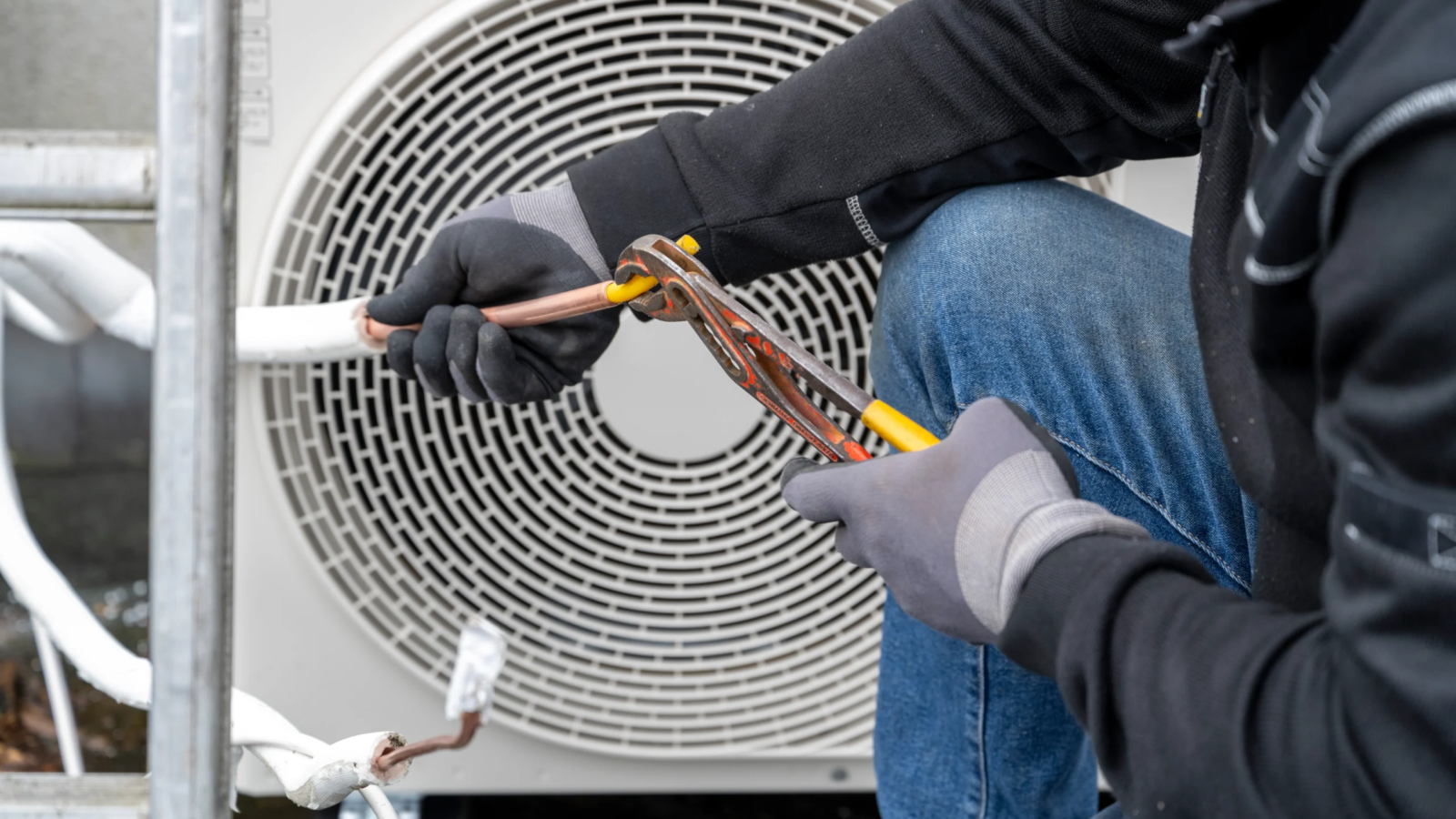
Why Your AC Keeps Turning On and Off in Hot Weather is a common HVAC problem that many homeowners experience during the hottest months of the year. If your air conditioner starts, runs for a short time, shuts off, and then quickly turns back on again, your system may be short cycling. How Small AC Problems Turn Into Expensive Repairs?
Short cycling not only reduces comfort inside your home but can also increase energy bills, accelerate wear and tear on HVAC components, and lead to costly repairs if left unresolved. For homeowners in Naperville, Aurora, Plainfield, and surrounding Illinois communities, understanding why an AC short cycles is essential for keeping cooling systems running efficiently during summer.
What Is AC Short Cycling?
AC short cycling occurs when an air conditioner repeatedly turns on and off without completing a normal cooling cycle.
Instead of running long enough to properly cool your home, the system shuts down prematurely and restarts again shortly afterward.
Common signs of short cycling include:
- Frequent on-and-off operation
- Inconsistent indoor temperatures
- Higher energy bills
- Reduced cooling performance
- Excessive wear on HVAC components
Short cycling should never be ignored because it can eventually damage important system parts.
Why Your AC Keeps Turning On and Off in Hot Weather
Several HVAC issues can cause an air conditioner to cycle frequently during hot weather.
The most common causes include:
- Dirty air filters
- Incorrect thermostat placement
- Refrigerant problems
- Oversized AC units
- Electrical issues
- Dirty condenser coils
- Frozen evaporator coils
Identifying the root cause early can help prevent larger HVAC problems later.
Dirty Air Filters Restrict Airflow
One of the most common reasons an AC short cycles is a clogged air filter.
When airflow becomes restricted:
- The system struggles to circulate cool air
- Internal temperatures become unbalanced
- Components experience additional strain
- Cooling cycles become shorter
A dirty filter forces your AC to work harder while delivering less cooling performance.
Replacing air filters regularly can help improve airflow and system efficiency.
Thermostat Problems Can Trigger Short Cycling
Your thermostat controls when the air conditioner turns on and off.
If the thermostat is located near:
- Windows
- Direct sunlight
- Kitchens
- Heat-producing appliances
it may incorrectly sense room temperatures.
This can cause the AC to shut off too early or cycle more frequently than necessary.
Upgrading to a smart thermostat may improve cooling performance and temperature accuracy.
Oversized Air Conditioners Often Short Cycle
Many homeowners assume a larger air conditioner automatically performs better. However, oversized HVAC systems often create comfort and efficiency problems. visit now
An oversized AC cools the home too quickly, causing the system to shut off before properly removing humidity from the air.
This results in:
- Frequent cycling
- Poor humidity control
- Uneven temperatures
- Increased system wear
Proper HVAC sizing is critical for long-term performance.
Low Refrigerant Levels Affect Cooling Performance
Refrigerant plays a crucial role in the cooling process.
If refrigerant levels become low due to leaks or system issues, your AC may:
- Struggle to cool properly
- Run inefficiently
- Short cycle frequently
- Develop frozen coils
Low refrigerant should always be inspected by a licensed HVAC technician.
Dirty Condenser Coils Increase System Stress
The outdoor condenser unit releases heat from your home.
Over time, dirt, debris, leaves, and grass clippings can accumulate on the condenser coils.
Dirty coils may cause:
- Reduced cooling efficiency
- Higher operating temperatures
- Increased energy usage
- Frequent cycling
Routine HVAC maintenance helps keep condenser coils clean and operating efficiently.
Frozen Evaporator Coils Can Cause AC Cycling Problems
Frozen evaporator coils often develop when airflow becomes restricted or refrigerant levels are low.
Signs of frozen coils include:
- Weak airflow
- Ice buildup
- Reduced cooling
- Constant cycling
If ice is visible on your HVAC equipment, professional service may be needed immediately.
Electrical Issues May Cause Frequent Cycling
Modern HVAC systems rely on multiple electrical components to operate correctly.
Problems involving:
- Capacitors
- Relays
- Control boards
- Wiring connections
can interrupt normal cooling cycles and cause the system to turn on and off repeatedly.
Electrical issues should always be handled by qualified HVAC professionals.
How Short Cycling Affects Your Energy Bills
Short cycling forces the air conditioner to start repeatedly throughout the day.
Startup cycles typically require more energy than steady operation.
As a result:
- Energy consumption increases
- Utility bills rise
- HVAC efficiency decreases
Many homeowners notice higher cooling costs without realizing short cycling may be the cause.
Why Illinois Heat Makes AC Problems Worse
Summer temperatures in Naperville, Aurora, and nearby Illinois communities place significant demands on air conditioning systems.
During extreme heat:
- HVAC systems run longer
- Cooling demands increase
- Existing problems become more noticeable
- Component failures occur more frequently
Small HVAC issues that go unnoticed during mild weather often become obvious during summer heat waves.
Signs You Need Professional AC Repair
If your air conditioner cycles frequently, professional inspection may be necessary.
Watch for these warning signs:
- AC turns on and off every few minutes
- Uneven indoor temperatures
- Weak airflow
- Warm air from vents
- Rising energy bills
- Strange HVAC noises
- Ice buildup on equipment
Early diagnosis can help prevent larger repair expenses.
How Professional HVAC Maintenance Helps Prevent Short Cycling
Routine maintenance is one of the best ways to prevent cooling problems.
Professional HVAC service typically includes:
- Air filter inspection
- Refrigerant checks
- Thermostat testing
- Coil cleaning
- Electrical inspections
- Airflow evaluations
Regular maintenance helps improve efficiency and extend equipment lifespan.
Tips to Prevent AC Short Cycling
Homeowners can reduce the risk of short cycling by following simple maintenance practices.
Replace Air Filters Regularly
Clean filters help maintain proper airflow.
Keep Outdoor Units Clean
Remove leaves, grass, and debris from around the condenser.
Schedule Annual AC Maintenance
Preventative inspections help identify issues before they become major repairs.
Monitor Thermostat Performance
Ensure your thermostat is operating correctly and located away from heat sources.
Address Cooling Problems Early
Small HVAC issues are usually less expensive to repair than major component failures.
Frequently Asked Questions
Why does my AC keep turning on and off?
Your AC may be short cycling because of dirty air filters, thermostat issues, refrigerant problems, electrical faults, or an oversized system.
Is short cycling bad for an air conditioner?
Yes. Short cycling increases wear and tear on HVAC components, reduces efficiency, and may shorten system lifespan.
Can a dirty air filter cause AC short cycling?
Yes. Dirty air filters restrict airflow and can cause the system to overheat or operate inefficiently, leading to short cycling.
Should I call an HVAC technician if my AC cycles frequently?
Yes. Frequent cycling often indicates an underlying HVAC issue that should be professionally diagnosed before it causes further damage.
How can I prevent AC short cycling?
Regular maintenance, clean air filters, proper thermostat placement, and prompt repairs can help prevent short cycling problems.
Final Thoughts
Why Your AC Keeps Turning On and Off in Hot Weather is often linked to airflow restrictions, thermostat problems, refrigerant issues, or system sizing concerns. While short cycling may seem like a minor inconvenience, it can significantly impact energy efficiency, indoor comfort, and HVAC lifespan.
For homeowners throughout Naperville, Aurora, Plainfield, and surrounding Illinois communities, addressing AC cycling issues early can help prevent costly repairs and keep cooling systems operating efficiently throughout the hottest days of summer.