



Split air conditioners are known for efficient and quiet cooling, but like any HVAC system, they can develop problems over time. One of the most common issues homeowners face is when the AC is running, but the cooling performance drops significantly.
At first, it may feel like a minor issue slightly warm air or slower cooling but these early signs often indicate deeper problems inside the system. Ignoring them can lead to complete system failure, higher energy bills, and costly repairs. Understanding the real causes behind a split AC not cooling can help you take quick action and avoid unnecessary expenses.
Why Is Your Split AC Not Cooling?
A split AC usually stops cooling due to dirty filters, low refrigerant levels, blocked outdoor units, or internal component issues. Identifying the root cause early can help restore cooling quickly and prevent major damage.
Dirty Air Filters Blocking Airflow
One of the most common reasons a split AC stops cooling is a clogged air filter. Over time, dust and debris accumulate in the filter, restricting airflow. When airflow is blocked, the system cannot circulate cool air effectively, which reduces performance.
This issue not only affects cooling but also forces your AC to work harder, increasing energy consumption. Regular cleaning or replacement of filters can significantly improve efficiency.
Low Refrigerant Levels or Leaks
Refrigerant plays a critical role in the cooling process. If the refrigerant level drops due to leaks, your AC cannot remove heat from the air properly.
Signs of low refrigerant include warm air from the indoor unit, ice buildup on coils, and longer cooling cycles. This problem requires professional repair, as simply refilling refrigerant without fixing the leak will not solve the issue.
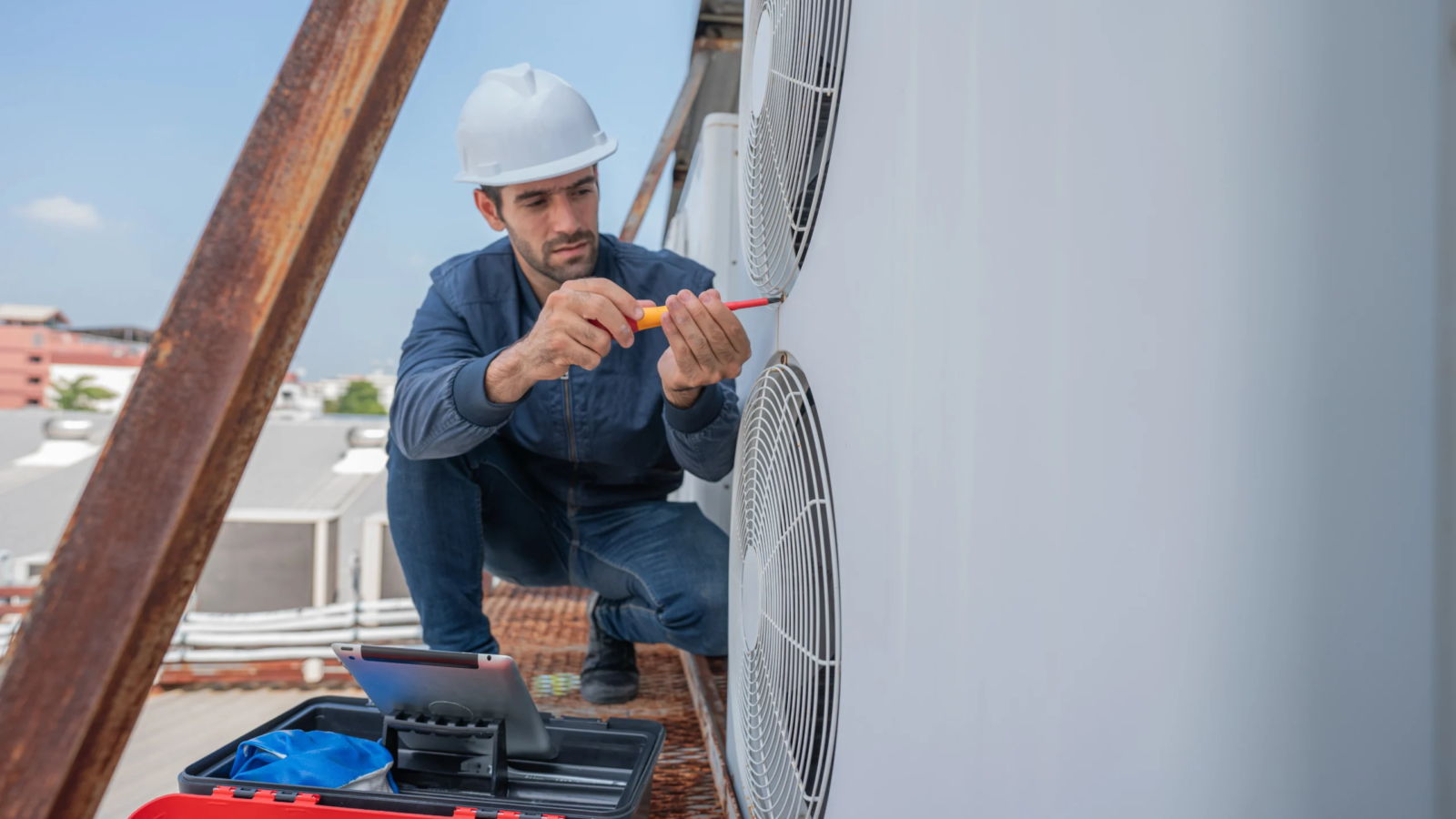
Dirty or Blocked Outdoor Unit
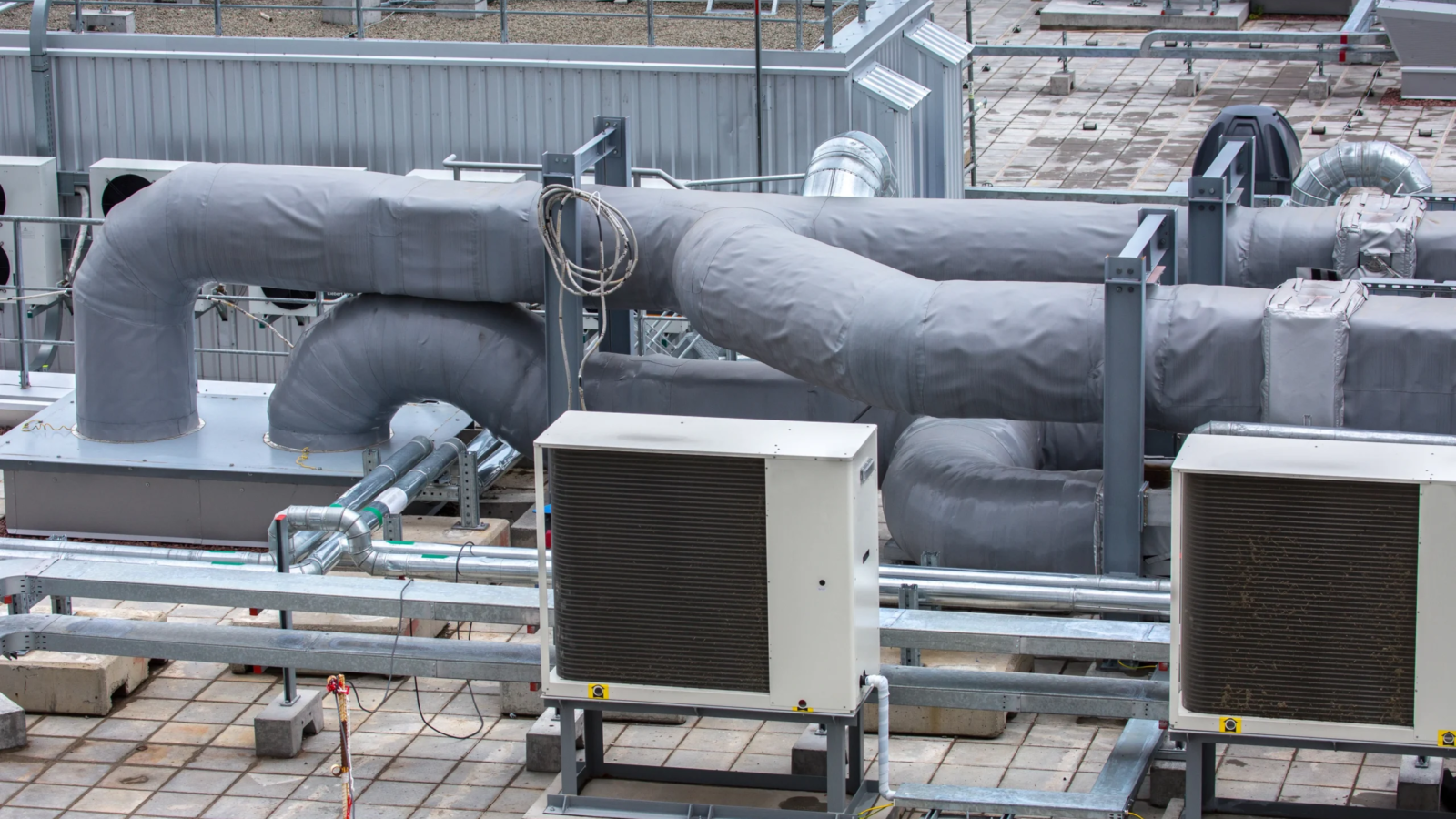
The outdoor unit (condenser) is responsible for releasing heat from your home. If it is covered with dirt, dust, or debris, it cannot function efficiently.
When the condenser is blocked, heat remains trapped inside the system, reducing cooling performance. Cleaning the outdoor unit and ensuring proper airflow around it is essential for maintaining efficiency.
Faulty Thermostat or Remote Settings
Sometimes, the issue is not with the AC itself but with the thermostat or remote control settings. Incorrect temperature settings, sensor issues, or low batteries can prevent the system from cooling properly.
Checking these basic settings can help rule out simple problems before calling a technician.
Frozen Evaporator Coil
A frozen coil is a serious issue that can completely stop your AC from cooling. This usually happens due to airflow restrictions or refrigerant problems.
When the coil freezes, it prevents heat absorption, which disrupts the cooling process. Turning off the system may temporarily fix the issue, but professional inspection is required to address the root cause.
Electrical or Component Failure
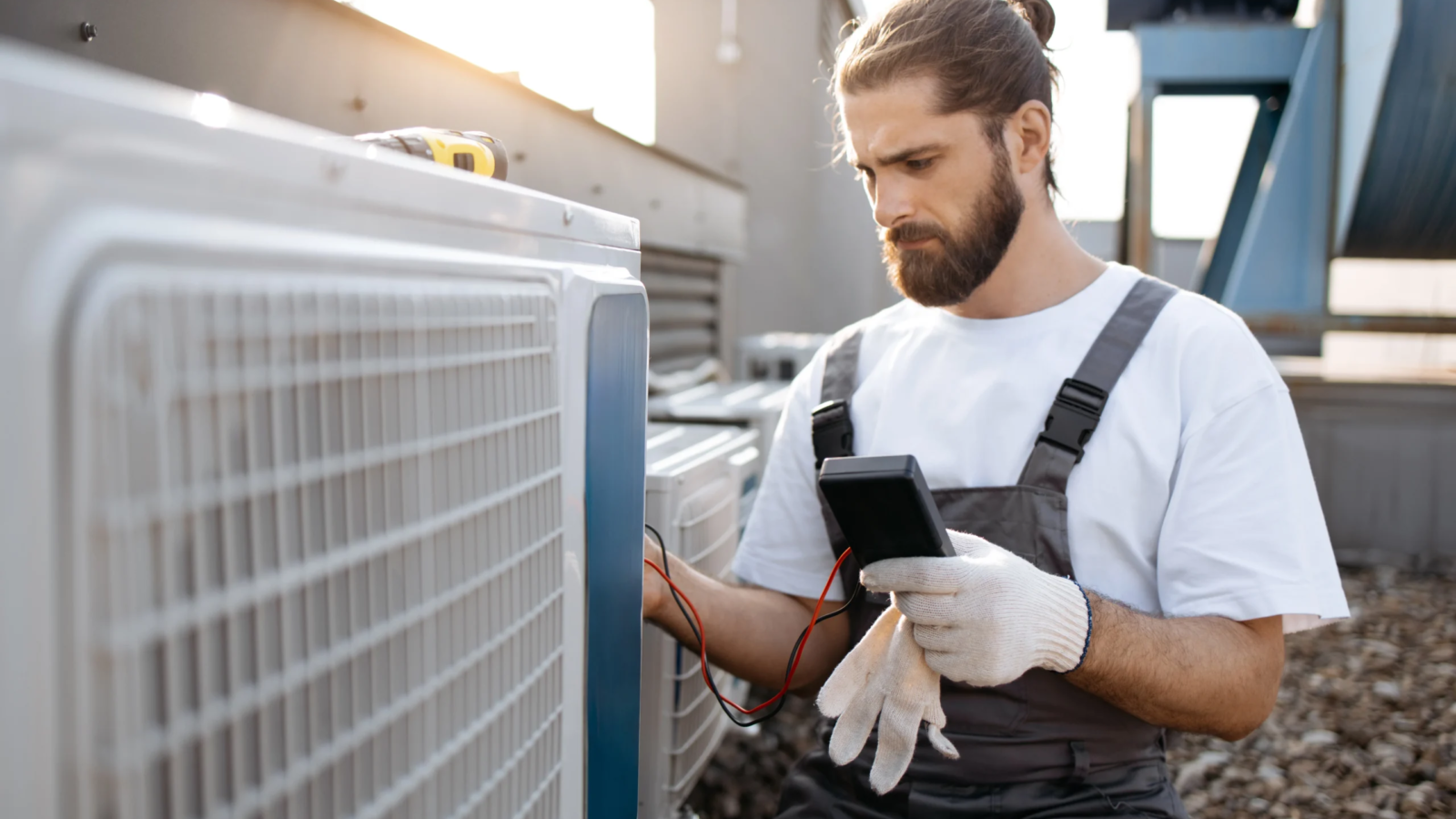
Split AC not cooling, systems rely on multiple electrical components to function properly. Issues such as faulty capacitors, wiring problems, or compressor failure can affect cooling performance.
These problems require professional diagnosis and repair to ensure safe and effective operation.
When Should You Call a Professional?
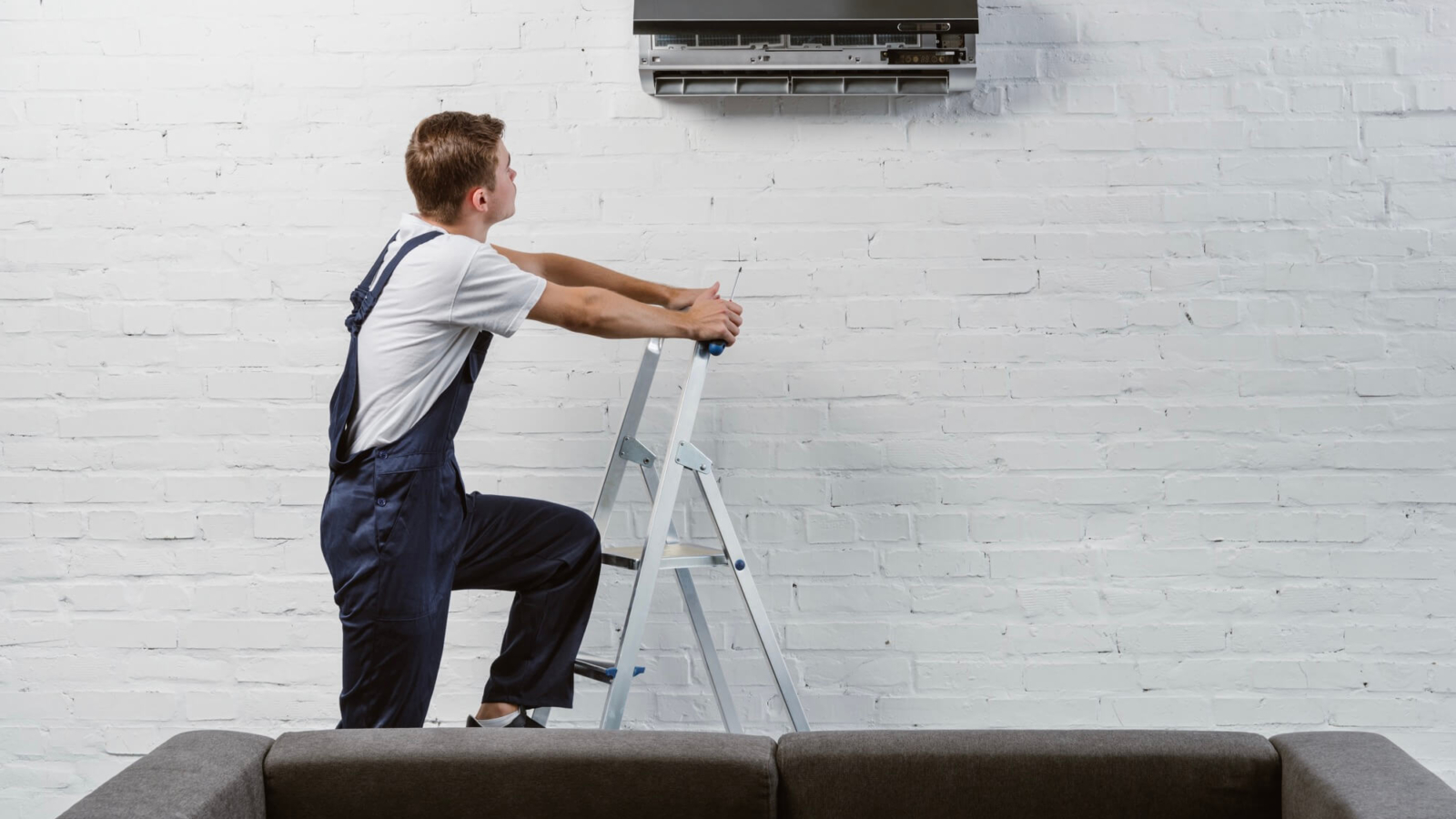
If basic troubleshooting does not restore cooling, it’s time to call a professional. Signs such as unusual noises, water leakage, or persistent cooling issues indicate deeper problems that need expert attention.
Delaying repair can lead to more serious damage and higher costs.
How to Prevent Split AC Cooling Problems
Regular maintenance is the key to preventing cooling issues. Cleaning filters, checking refrigerant levels, and inspecting components can help keep your system running efficiently.
Scheduling annual servicing ensures that small problems are identified before they become major issues.
Conclusion: Don’t Ignore Early Warning Signs
A split AC not cooling is never a problem to ignore. What starts as a minor issue can quickly turn into a major repair if left unchecked.
Taking action early helps maintain comfort, reduce energy costs, and extend the lifespan of your system.
FAQs
Why is my split AC running but not cooling?
If your split AC is running but not cooling, it is usually due to airflow restrictions, low refrigerant levels, or dirty components. These issues prevent the system from removing heat effectively. Checking filters and settings can help, but persistent problems require professional repair.
How do I fix my split AC not cooling?
Start by cleaning or replacing the air filter, checking thermostat settings, and ensuring the outdoor unit is not blocked. If the problem continues, it may involve refrigerant or internal components, which should be handled by a professional technician.
How much does split AC repair cost?
Split AC repair costs typically range from $100 to $800 depending on the issue. Minor problems are more affordable, while major repairs like compressor or refrigerant issues can cost more. Early repair helps reduce expenses.