Most furnace installations in Naperville are completed in a single day, typically taking between four and eight hours for a straightforward like-for-like replacement. More complex installations, involving ductwork changes, venting adjustments, or upgrading to a different furnace type, can stretch into a second day. Here’s what actually determines how long your specific installation will take.
Standard Installation Timeline: What to Expect
For a typical residential furnace replacement, where the new unit is a similar size and type to the old one and the existing ductwork and venting are in good condition, most Naperville homeowners can expect the installation crew to arrive in the morning and have the system fully tested and running by early afternoon. This includes removing the old furnace, installing the new unit, connecting gas and electrical lines, testing the ignition system, and verifying airflow and temperature performance before handoff.
What Can Extend the Installation Timeline
Several factors can push a straightforward one-day job into a longer project:
- Switching furnace fuel types, such as moving from oil to gas
- Upgrading venting to meet current code requirements for a higher-efficiency furnace
- Ductwork modifications needed to accommodate a different unit size
- Discovering unexpected issues once the old unit is removed, like damaged ductwork or wiring
- Permit or inspection scheduling required by the local municipality
Step-by-Step: What Happens on Installation Day
Understanding the actual process helps set realistic expectations for Naperville homeowners scheduling a furnace replacement:
1. Removal of the Old Furnace
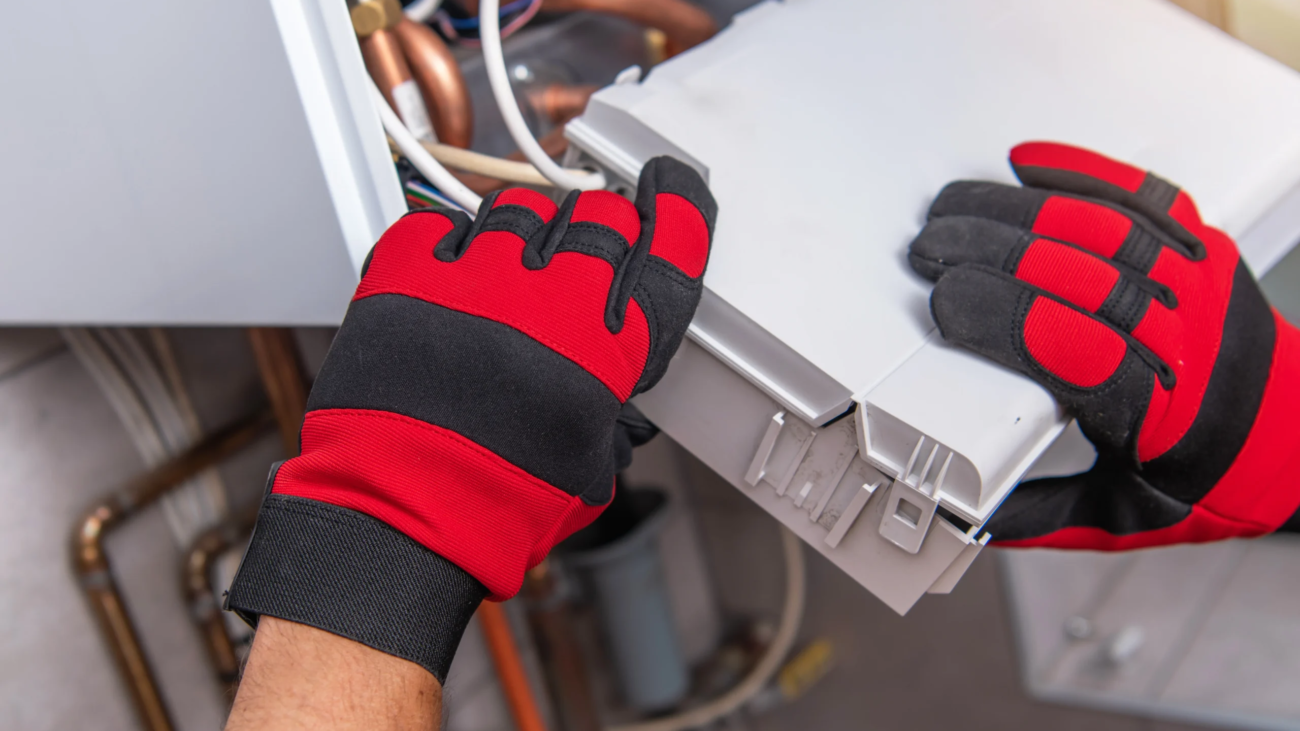
The technician disconnects gas, electrical, and venting connections, then removes the old unit from the mechanical space. This step also includes checking the surrounding area for any existing damage or code issues that need addressing before the new unit goes in.
2. Installing the New Furnace
The new unit is set in place, leveled, and connected to existing ductwork, gas lines, and electrical wiring. If venting needs upgrading for a higher-efficiency model, this is typically done at this stage as well.
3. Testing and Calibration
Once installed, the technician tests ignition, checks for gas leaks, verifies safety controls, calibrates the thermostat connection, and measures airflow and temperature rise across the system to confirm it’s operating within manufacturer specifications.
4. Final Walkthrough
Before leaving, a good installer walks the homeowner through the new system, explains the warranty coverage, and answers any questions about the thermostat or maintenance schedule going forward.
How Weather Affects Furnace Installation Scheduling
Because furnace installation typically involves brief periods with the home’s heating system offline, extremely cold outdoor temperatures can make scheduling more challenging, particularly for households without an alternate heat source during the changeover. This is another reason many Naperville homeowners prefer to schedule installation in early fall rather than waiting for a mid-winter emergency, since it avoids the discomfort of a temporary heating gap during freezing weather.
Choosing the Right Installer for Your Furnace Replacement
Installation quality affects far more than how long the job takes on day one. A rushed or improperly sized installation can lead to uneven heating, higher energy bills, and premature wear for years afterward, even if the furnace itself is a quality unit. Choosing a licensed, experienced local contractor who takes the time to properly assess your home, rather than the fastest or cheapest option available, protects your investment well beyond installation day itself.
Furnace Installation for New Construction vs Replacement
Everything covered so far in this guide applies primarily to replacing an existing furnace. New construction installations follow a somewhat different timeline, since ductwork, venting, and electrical connections are being built into the home from scratch rather than adapted from an existing system, which typically extends the overall project timeline and involves closer coordination with other trades on the job site.
Furnace Types and How They Affect Installation Time
A standard efficiency furnace replacement, using the same venting type as the old unit, is usually the fastest installation. High-efficiency condensing furnaces require different venting materials, since they produce cooler exhaust that standard metal venting can’t safely handle, which sometimes adds installation time if the home wasn’t previously set up for this type of system. Homes switching furnace types or upgrading efficiency tiers should expect installation to run closer to a full day, sometimes extending into a second day for larger or more complex homes.
Why Proper Sizing Matters More Than Speed
It can be tempting to prioritize the fastest possible installation, but a furnace that isn’t properly sized for your home will cause problems long after installation day, including uneven heating, higher energy bills, and increased wear on the system. A qualified installer performs a load calculation based on your home’s square footage, insulation levels, and layout, rather than simply matching the size of the unit being replaced. The U.S. Department of Energy notes that properly sized heating equipment operates more efficiently and reliably than equipment chosen without a proper calculation.
Scheduling Considerations for Naperville Homeowners
Furnace installations booked during late summer and early fall, before the heating season begins, typically have more flexible scheduling than installations booked during a mid-winter emergency replacement. Planning ahead, rather than waiting for a complete furnace failure, gives you more control over timing and reduces the chance of being without heat during the coldest part of the year.
What to Do to Prepare for Installation Day
Clearing access to the furnace location, moving any stored items away from the mechanical space, and making sure pets are secured elsewhere in the home all help the installation crew work efficiently and finish on schedule. If you have specific questions about thermostat compatibility or smart home integration, it’s worth raising these before installation day so the crew can prepare accordingly.
After Installation: What Comes Next
Once your new furnace is installed, scheduling an annual furnace tune-up keeps the system running efficiently and helps protect your manufacturer warranty, since many warranties require documented annual maintenance. If you’re still deciding between repair and full replacement for an aging system, our furnace repair team can provide an honest assessment before you commit to installation.
Common Questions That Come Up Before Installation Day
Naperville homeowners scheduling a furnace replacement often have questions beyond just timing. It’s common to ask whether the existing thermostat will work with the new system, whether the new furnace will fit in the same mechanical space as the old one, and whether any additional electrical work is needed. A good installer addresses these questions during the initial in-home assessment, well before installation day, so there are no surprises once the crew arrives.
What If the Installer Finds an Unexpected Issue?
Occasionally, once the old furnace is removed, a technician discovers an issue that wasn’t visible during the initial assessment, such as damaged ductwork, outdated wiring that doesn’t meet current code, or venting that needs more extensive updating than originally planned. A trustworthy contractor will pause, explain the issue clearly, and provide an updated estimate before proceeding, rather than simply completing the work and adding unexpected charges to the final invoice.
Coordinating Installation Around Your Schedule
Because most furnace replacements are completed in a single day, many Naperville homeowners choose to schedule installation during a workday rather than taking significant time off. Being available briefly at the start of the appointment and again for the final walkthrough is usually sufficient, as long as clear access to the mechanical space has been arranged in advance. Some homeowners choose to work remotely from home that day specifically so they can address any questions the crew raises without needing to leave the job site unattended.
Frequently Asked Questions
Can a furnace be installed in one day in Naperville?
Yes, most standard replacements are completed within a single day, typically four to eight hours, assuming no major ductwork or venting changes are needed. Homes requiring venting upgrades or ductwork modifications should plan for the possibility of the job extending into a second day.
Does furnace installation require a permit in Naperville?
Many municipalities require permits for furnace replacement, particularly when venting or gas line work is involved. A licensed local contractor handles this as part of the installation process.
Can I stay home during furnace installation?
Yes, and it’s recommended, since the final walkthrough gives you a chance to ask questions about your new system’s operation and maintenance schedule directly.
Planning a furnace replacement before winter? Scheduling ahead of the cold season, rather than waiting for a breakdown, gives you more flexibility on timing and a more comfortable installation experience overall. Call American Mechanical Systems at (630) 930-7745 to schedule furnace installation in Naperville, IL.