AC Repair Services Naperville

Why Your AC Keeps Turning On and Off in Hot Weather

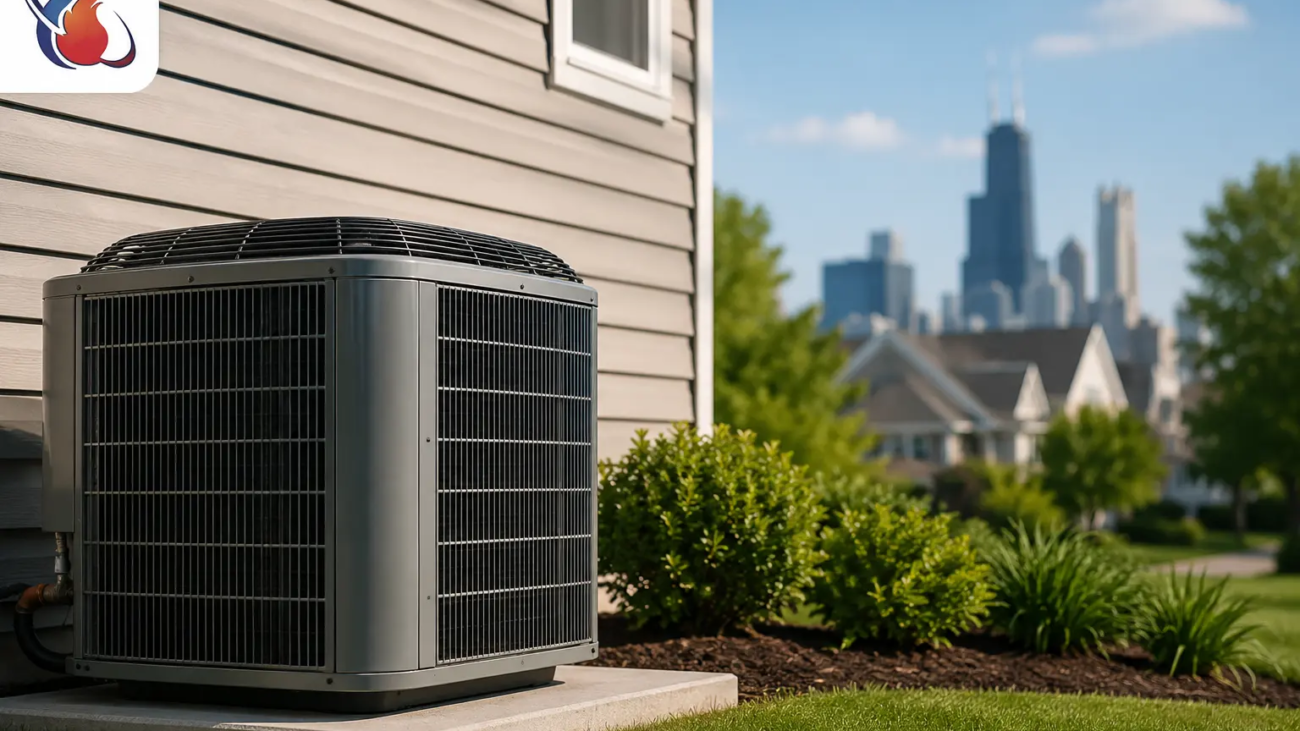
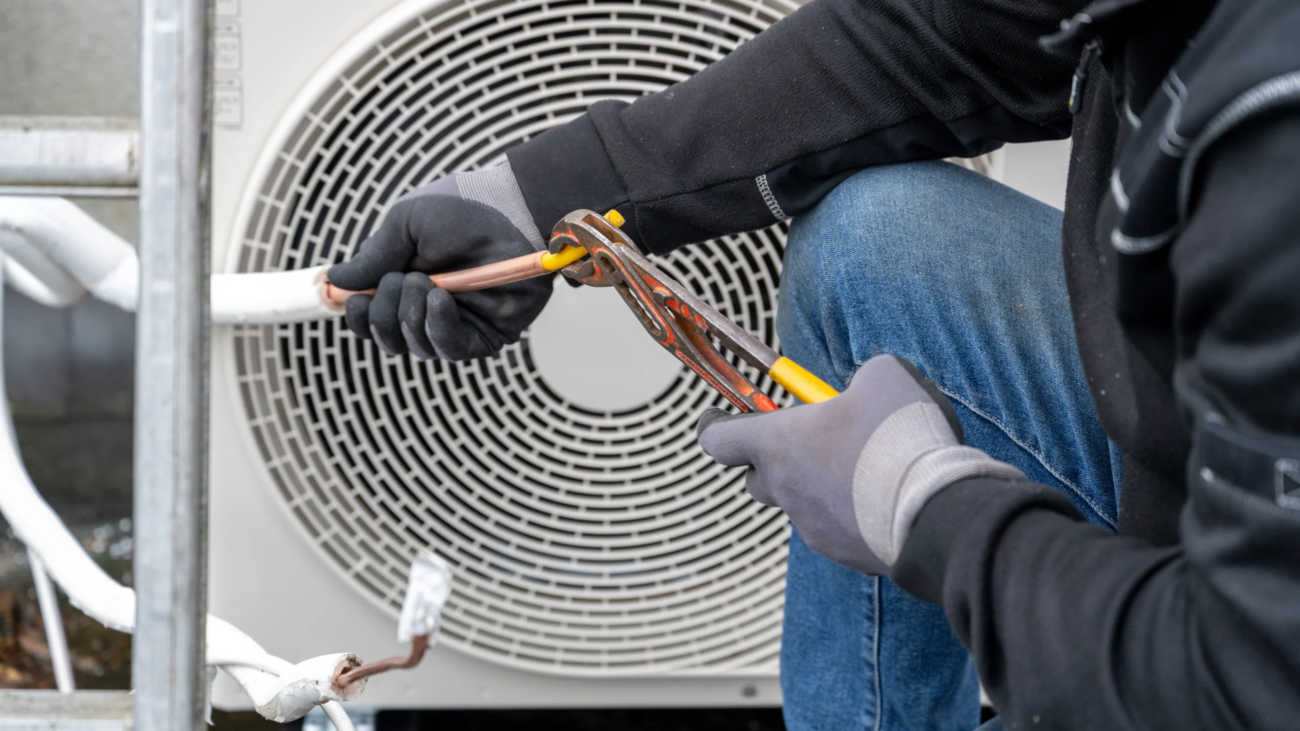
Why Your AC Keeps Turning On and Off in Hot Weather is a common HVAC problem that many homeowners experience during the hottest months of the year. If your air conditioner starts, runs for a short time, shuts off, and then quickly turns back on again, your system may be short cycling. How Small AC Problems Turn Into Expensive Repairs?

Short cycling not only reduces comfort inside your home but can also increase energy bills, accelerate wear and tear on HVAC components, and lead to costly repairs if left unresolved. For homeowners in Naperville, Aurora, Plainfield, and surrounding Illinois communities, understanding why an AC short cycles is essential for keeping cooling systems running efficiently during summer.

What Is AC Short Cycling?

AC short cycling occurs when an air conditioner repeatedly turns on and off without completing a normal cooling cycle.

Instead of running long enough to properly cool your home, the system shuts down prematurely and restarts again shortly afterward.

Common signs of short cycling include:

  • Frequent on-and-off operation
  • Inconsistent indoor temperatures
  • Higher energy bills
  • Reduced cooling performance
  • Excessive wear on HVAC components

Short cycling should never be ignored because it can eventually damage important system parts.

Why Your AC Keeps Turning On and Off in Hot Weather

Several HVAC issues can cause an air conditioner to cycle frequently during hot weather.

The most common causes include:

  • Dirty air filters
  • Incorrect thermostat placement
  • Refrigerant problems
  • Oversized AC units
  • Electrical issues
  • Dirty condenser coils
  • Frozen evaporator coils

Identifying the root cause early can help prevent larger HVAC problems later.

Dirty Air Filters Restrict Airflow

One of the most common reasons an AC short cycles is a clogged air filter.

When airflow becomes restricted:

  • The system struggles to circulate cool air
  • Internal temperatures become unbalanced
  • Components experience additional strain
  • Cooling cycles become shorter

A dirty filter forces your AC to work harder while delivering less cooling performance.

Replacing air filters regularly can help improve airflow and system efficiency.

Thermostat Problems Can Trigger Short Cycling

Your thermostat controls when the air conditioner turns on and off.

If the thermostat is located near:

  • Windows
  • Direct sunlight
  • Kitchens
  • Heat-producing appliances

it may incorrectly sense room temperatures.

This can cause the AC to shut off too early or cycle more frequently than necessary.

Upgrading to a smart thermostat may improve cooling performance and temperature accuracy.

Oversized Air Conditioners Often Short Cycle

Many homeowners assume a larger air conditioner automatically performs better. However, oversized HVAC systems often create comfort and efficiency problems. visit now

An oversized AC cools the home too quickly, causing the system to shut off before properly removing humidity from the air.

This results in:

  • Frequent cycling
  • Poor humidity control
  • Uneven temperatures
  • Increased system wear

Proper HVAC sizing is critical for long-term performance.

Low Refrigerant Levels Affect Cooling Performance

Refrigerant plays a crucial role in the cooling process.

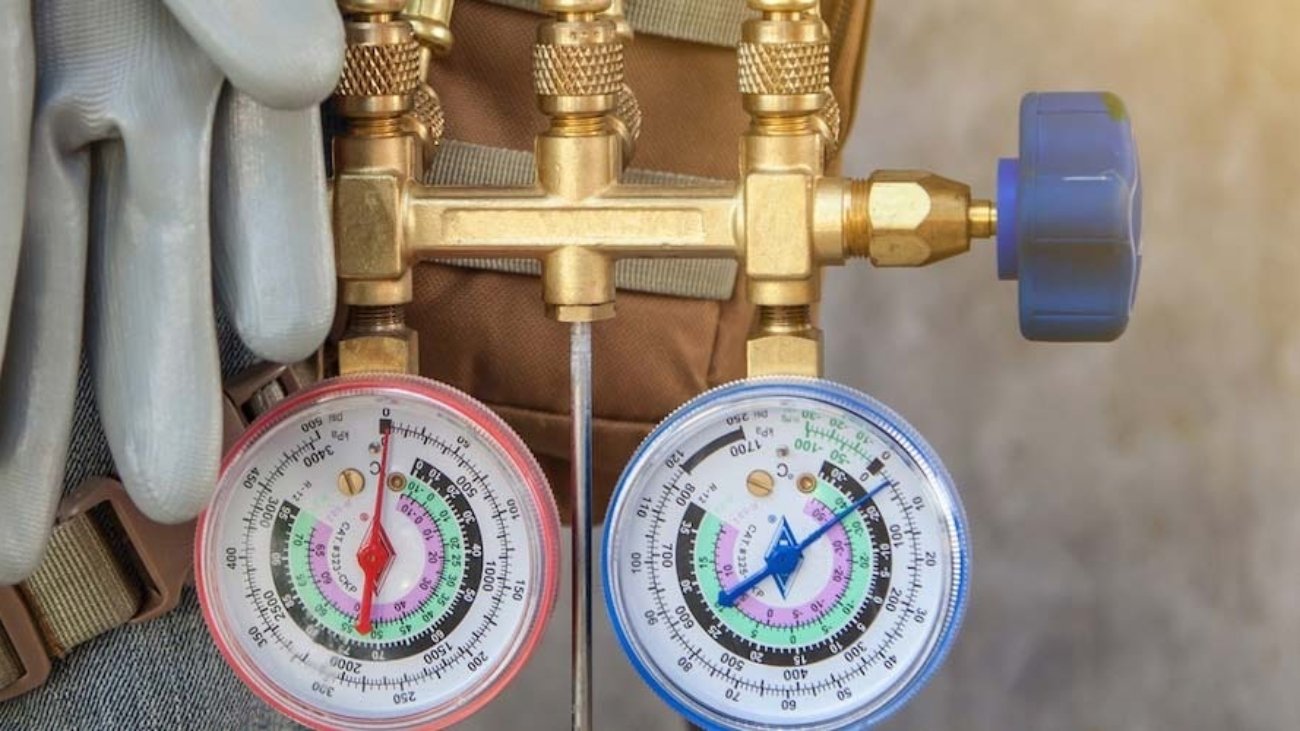
If refrigerant levels become low due to leaks or system issues, your AC may:

  • Struggle to cool properly
  • Run inefficiently
  • Short cycle frequently
  • Develop frozen coils

Low refrigerant should always be inspected by a licensed HVAC technician.

Dirty Condenser Coils Increase System Stress

The outdoor condenser unit releases heat from your home.

Over time, dirt, debris, leaves, and grass clippings can accumulate on the condenser coils.

Dirty coils may cause:

  • Reduced cooling efficiency
  • Higher operating temperatures
  • Increased energy usage
  • Frequent cycling

Routine HVAC maintenance helps keep condenser coils clean and operating efficiently.

Frozen Evaporator Coils Can Cause AC Cycling Problems

Frozen evaporator coils often develop when airflow becomes restricted or refrigerant levels are low.

Signs of frozen coils include:

  • Weak airflow
  • Ice buildup
  • Reduced cooling
  • Constant cycling

If ice is visible on your HVAC equipment, professional service may be needed immediately.

Electrical Issues May Cause Frequent Cycling

Modern HVAC systems rely on multiple electrical components to operate correctly.

Problems involving:

  • Capacitors
  • Relays
  • Control boards
  • Wiring connections

can interrupt normal cooling cycles and cause the system to turn on and off repeatedly.

Electrical issues should always be handled by qualified HVAC professionals.

How Short Cycling Affects Your Energy Bills

Short cycling forces the air conditioner to start repeatedly throughout the day.

Startup cycles typically require more energy than steady operation.

As a result:

  • Energy consumption increases
  • Utility bills rise
  • HVAC efficiency decreases

Many homeowners notice higher cooling costs without realizing short cycling may be the cause.

Why Illinois Heat Makes AC Problems Worse

Summer temperatures in Naperville, Aurora, and nearby Illinois communities place significant demands on air conditioning systems.

During extreme heat:

  • HVAC systems run longer
  • Cooling demands increase
  • Existing problems become more noticeable
  • Component failures occur more frequently

Small HVAC issues that go unnoticed during mild weather often become obvious during summer heat waves.

Signs You Need Professional AC Repair

If your air conditioner cycles frequently, professional inspection may be necessary.

Watch for these warning signs:

  • AC turns on and off every few minutes
  • Uneven indoor temperatures
  • Weak airflow
  • Warm air from vents
  • Rising energy bills
  • Strange HVAC noises
  • Ice buildup on equipment

Early diagnosis can help prevent larger repair expenses.

How Professional HVAC Maintenance Helps Prevent Short Cycling

Routine maintenance is one of the best ways to prevent cooling problems.

Professional HVAC service typically includes:

  • Air filter inspection
  • Refrigerant checks
  • Thermostat testing
  • Coil cleaning
  • Electrical inspections
  • Airflow evaluations

Regular maintenance helps improve efficiency and extend equipment lifespan.

Tips to Prevent AC Short Cycling

Homeowners can reduce the risk of short cycling by following simple maintenance practices.

Replace Air Filters Regularly

Clean filters help maintain proper airflow.

Keep Outdoor Units Clean

Remove leaves, grass, and debris from around the condenser.

Schedule Annual AC Maintenance

Preventative inspections help identify issues before they become major repairs.

Monitor Thermostat Performance

Ensure your thermostat is operating correctly and located away from heat sources.

Address Cooling Problems Early

Small HVAC issues are usually less expensive to repair than major component failures.

Frequently Asked Questions

Why does my AC keep turning on and off?

Your AC may be short cycling because of dirty air filters, thermostat issues, refrigerant problems, electrical faults, or an oversized system.

Is short cycling bad for an air conditioner?

Yes. Short cycling increases wear and tear on HVAC components, reduces efficiency, and may shorten system lifespan.

Can a dirty air filter cause AC short cycling?

Yes. Dirty air filters restrict airflow and can cause the system to overheat or operate inefficiently, leading to short cycling.

Should I call an HVAC technician if my AC cycles frequently?

Yes. Frequent cycling often indicates an underlying HVAC issue that should be professionally diagnosed before it causes further damage.

How can I prevent AC short cycling?

Regular maintenance, clean air filters, proper thermostat placement, and prompt repairs can help prevent short cycling problems.

Final Thoughts

Why Your AC Keeps Turning On and Off in Hot Weather is often linked to airflow restrictions, thermostat problems, refrigerant issues, or system sizing concerns. While short cycling may seem like a minor inconvenience, it can significantly impact energy efficiency, indoor comfort, and HVAC lifespan.

For homeowners throughout Naperville, Aurora, Plainfield, and surrounding Illinois communities, addressing AC cycling issues early can help prevent costly repairs and keep cooling systems operating efficiently throughout the hottest days of summer.
Why Illinois Humidity Makes Your AC Work Harder

Why Illinois Humidity Makes Your AC Work Harder

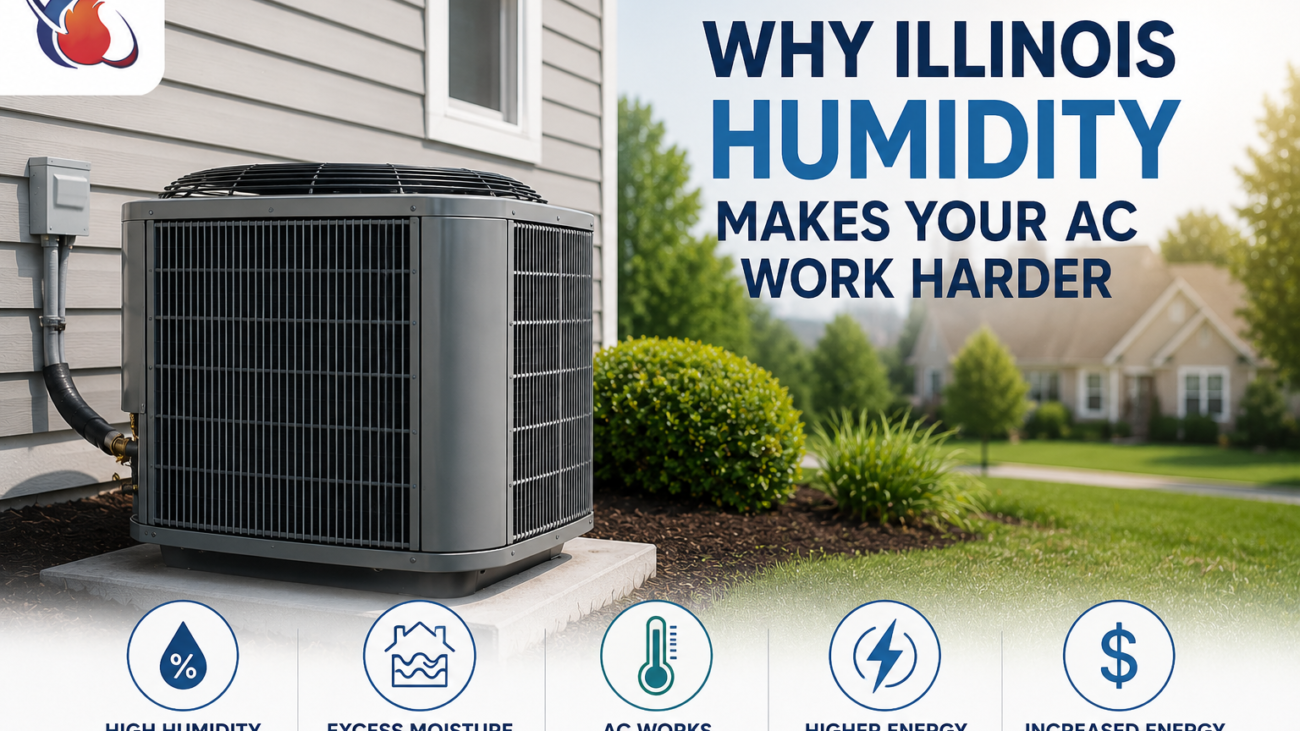
During summer in Illinois, many homeowners notice their air conditioner running longer than usual even when the thermostat is set correctly. High indoor humidity can make your home feel warmer, heavier, and far less comfortable even while the AC is running constantly.

Why Illinois humidity makes your AC work harder comes down to how air conditioning systems remove both heat and moisture from indoor air. In areas like Naperville, Aurora, Plainfield, and surrounding Illinois communities, summer humidity levels can place extra strain on HVAC systems and increase monthly energy bills.

Understanding how humidity affects cooling performance can help homeowners improve comfort, reduce HVAC strain, and prevent unnecessary system wear during peak summer months.

Why Illinois Summers Feel More Uncomfortable

Illinois summers often combine:

  • high temperatures
  • elevated humidity
  • heavy moisture in the air
  • poor indoor airflow

Humidity makes the air feel warmer than the actual temperature because moisture prevents sweat from evaporating efficiently from the body.

This means your home may still feel uncomfortable even if your thermostat shows the desired temperature.

Why Illinois Humidity Makes Your AC Work Harder

Air conditioners do more than cool the air. They also remove excess humidity from inside the home.

When humidity levels rise outdoors, your AC system must:

  • run longer cooling cycles
  • remove additional moisture
  • work harder to maintain comfort
  • consume more electricity

As a result, the system experiences increased workload during humid Illinois weather.

How Air Conditioners Remove Humidity

Your AC system removes humidity through the evaporator coil.

Warm indoor air passes over the cold coil, causing moisture in the air to condense into water droplets. That moisture then drains away from the system.

During extremely humid weather, your air conditioner must continuously remove moisture while also lowering indoor temperatures.

This extra demand increases HVAC strain and energy usage.

Signs Humidity Is Affecting Your HVAC System

Many homeowners do not realize humidity may be the main reason their home feels uncomfortable.

Common signs include:

  • sticky indoor air
  • AC running constantly
  • uneven cooling
  • high energy bills
  • condensation on windows
  • musty indoor smells
  • poor airflow
  • rooms feeling damp

If these issues continue, your HVAC system may struggle to control indoor humidity effectively.

Why Your Home Feels Humid Even With the AC Running

If your house still feels humid while the AC operates, several HVAC problems may be contributing to the issue.

Dirty Air Filters

Clogged air filters reduce airflow and make it harder for the system to remove moisture efficiently.

Oversized Air Conditioners

An oversized AC cools the home too quickly and shuts off before removing enough humidity from the air.

Low Refrigerant Levels

Improper refrigerant levels may reduce cooling and dehumidification performance.

Leaky Ductwork

Duct leaks can allow humid outdoor air into the system, reducing overall efficiency.

Poor Ventilation

Limited airflow and ventilation may trap humidity indoors.

Why Humidity Increases Energy Bills

High humidity forces HVAC systems to operate longer and consume more electricity.

When moisture levels remain elevated:

  • cooling cycles become longer
  • indoor comfort decreases
  • thermostat settings are lowered more often
  • system wear increases

Many homeowners lower the thermostat repeatedly trying to feel cooler, which further increases energy usage.

How Humidity Affects Indoor Comfort

Humidity directly impacts how comfortable your home feels.

Even at 72°F, high humidity can make indoor temperatures feel much warmer. Lower humidity levels help indoor air feel cooler naturally.

This is why proper humidity control is important for overall HVAC performance and comfort.

Can Humidity Damage Your HVAC System?

Over time, excessive humidity can contribute to HVAC problems.

Potential issues include:

  • frozen evaporator coils
  • mold growth near ductwork
  • excess condensation
  • blower strain
  • reduced airflow efficiency
  • increased maintenance needs

Ignoring humidity-related issues may shorten HVAC system lifespan.

Why Older Illinois Homes Often Have Humidity Problems

Older homes in Naperville, Aurora, and nearby Illinois areas often struggle with humidity because of:

  • aging insulation
  • outdated ductwork
  • poor attic ventilation
  • air leaks around windows and doors

These conditions allow warm humid air to enter the home more easily during summer.

How to Reduce Indoor Humidity Naturally

Homeowners can improve indoor comfort and HVAC efficiency with several simple steps.

Replace HVAC Filters Regularly

Clean air filters support better airflow and moisture removal.

Schedule Seasonal AC Maintenance

Professional maintenance helps HVAC systems operate efficiently during humid summer weather.

Seal Air Leaks

Preventing humid outdoor air from entering the home reduces HVAC workload.

Use Ceiling Fans

Fans improve air circulation and help rooms feel cooler.

Install a Smart Thermostat

Smart thermostats help manage cooling cycles more efficiently.

Consider a Whole-Home Dehumidifier

Homes with persistent humidity problems may benefit from additional humidity control systems.

How Professional HVAC Service Helps During Humid Illinois Summers

An HVAC technician can inspect:

  • refrigerant levels
  • airflow performance
  • evaporator coils
  • ductwork condition
  • thermostat calibration
  • humidity control performance

Professional inspections help identify hidden efficiency issues before they become major repairs.

Best Indoor Humidity Levels for Homes

Most HVAC professionals recommend maintaining indoor humidity between 30% and 50%.

Higher humidity levels may:

  • reduce comfort
  • increase energy costs
  • encourage mold growth
  • place extra strain on HVAC systems

Maintaining balanced humidity supports healthier indoor air and better cooling performance.

Frequently Asked Questions

Why does humidity make my AC work harder?

Your air conditioner must remove both heat and moisture from the air. High humidity increases system workload and cooling cycle length.

Why does my home feel humid even with the AC on?

Dirty filters, oversized systems, poor airflow, duct leaks, or low refrigerant levels may prevent proper humidity removal.

Can humidity increase energy bills?

Yes. High humidity often causes longer AC cycles and increased electricity usage.

What humidity level should my home have?

Most homes should maintain indoor humidity levels between 30% and 50% for optimal comfort and HVAC efficiency.

Can a dirty air filter affect humidity control?

Yes. Restricted airflow from dirty filters reduces your HVAC system’s ability to remove moisture effectively.

Final Thoughts

Why Illinois humidity makes your AC work harder is directly connected to airflow, moisture removal, and system efficiency. During humid summer months, your HVAC system must work overtime to keep your home cool and comfortable.

Regular maintenance, proper airflow, and humidity control can help reduce energy costs, improve indoor comfort, and protect your HVAC system from unnecessary strain during extreme Illinois weather.

imgi_30_about-banner

What Causes Uneven Temperatures in Multi-Story Homes

Uneven temperatures are one of the most common comfort problems homeowners experience in multi-story houses. Many families notice that upstairs rooms feel much hotter during summer while downstairs areas remain cool. During winter, the opposite may happen, leaving certain rooms colder than others.

Understanding what causes uneven temperatures in multi-story homes can help homeowners improve indoor comfort, reduce HVAC strain, and lower monthly energy costs. In areas like Naperville, Aurora, Plainfield, and surrounding Illinois communities, seasonal weather changes often make these temperature differences even more noticeable.

Several HVAC, airflow, insulation, and structural factors may contribute to uneven temperatures throughout a home.

Why Multi-Story Homes Have Uneven Temperatures

Temperature differences naturally occur because heat rises. Warm air moves upward while cooler air settles on lower floors.

However, when HVAC systems, ductwork, or insulation are not functioning efficiently, these natural temperature changes become much worse.

Many Illinois homeowners experience:

  • hot upstairs bedrooms
  • cold downstairs rooms
  • uneven airflow
  • uncomfortable temperature swings
  • rooms that never feel balanced

These issues can force HVAC systems to work harder than necessary.

What Causes Uneven Temperatures in Multi-Story Homes?

What causes uneven temperatures in multi-story homes usually comes down to airflow imbalance, insulation problems, or HVAC system limitations.

Common causes include:

  • poor airflow distribution
  • inadequate attic insulation
  • ductwork leaks
  • thermostat placement
  • blocked vents
  • aging HVAC systems
  • sun exposure on upper floors

Identifying the root cause helps improve overall home comfort and HVAC efficiency.

Heat Naturally Rises Inside Homes

One of the biggest reasons upstairs rooms feel warmer is because heat naturally rises.

During summer:

  • warm air collects on upper floors
  • attic heat transfers into rooms
  • second-story areas retain heat longer

This creates temperature imbalances throughout the house, especially during hot Illinois summers.

Poor Airflow Between Floors

Airflow problems are one of the most common HVAC-related causes of uneven temperatures.

When airflow becomes restricted:

  • upstairs rooms receive less cooled air
  • lower levels cool faster
  • HVAC cycles become inconsistent

Common airflow issues include:

  • dirty air filters
  • blocked vents
  • undersized ductwork
  • closed dampers
  • blower problems

Proper airflow balancing is essential for maintaining consistent temperatures throughout the home.

Attic Insulation Problems

Attics play a major role in home temperature control.

Poor attic insulation allows heat to enter upper floors more easily during summer and escape during winter.

Signs of insulation problems include:

  • hot upstairs rooms
  • high cooling bills
  • excessive HVAC runtime
  • uncomfortable bedrooms

Many older Illinois homes struggle with insulation efficiency, especially during seasonal weather extremes.

Leaky Ductwork Can Reduce Cooling Efficiency

Leaky ducts may allow conditioned air to escape before reaching upstairs rooms.

This can reduce:

  • cooling efficiency
  • airflow strength
  • indoor comfort

Duct leaks often occur in:

  • attics
  • crawl spaces
  • wall cavities
  • unfinished basements

Professional duct inspections can help identify hidden airflow problems.

Thermostat Placement Affects Home Comfort

Thermostat location can significantly impact temperature balance in multi-story homes.

If the thermostat is located:

  • near windows
  • on lower floors
  • close to kitchens
  • in direct sunlight

it may inaccurately measure indoor temperatures.

This can cause the HVAC system to shut off before upper floors cool properly.

Why Upstairs Bedrooms Stay Hot

Upstairs bedrooms often become the warmest areas in a house because they are exposed to:

  • roof heat
  • direct sunlight
  • limited airflow
  • trapped warm air

Additional causes may include:

  • insufficient return vents
  • closed doors restricting airflow
  • poor insulation around windows

These factors can make second-story rooms uncomfortable during summer nights.

Dirty Air Filters Reduce Airflow

Clogged HVAC filters restrict airflow throughout the system.

This may cause:

  • weaker airflow upstairs
  • longer cooling cycles
  • uneven room temperatures
  • increased energy bills

Replacing filters regularly helps improve airflow and HVAC performance.

Can HVAC System Size Cause Uneven Temperatures?

Yes. Improper HVAC sizing can contribute to temperature inconsistencies.

Oversized HVAC Systems

Oversized systems cool too quickly without circulating air evenly throughout the home.

Undersized HVAC Systems

Undersized systems may struggle to maintain comfortable temperatures during extreme weather.

Professional load calculations help determine proper HVAC sizing.

How Zoning Systems Improve Comfort

Some multi-story homes benefit from HVAC zoning systems.

Zoning systems allow homeowners to:

  • control temperatures separately by floor
  • improve airflow balance
  • reduce energy waste
  • increase indoor comfort

This can help solve persistent upstairs and downstairs temperature differences.

Signs Your Home Has Airflow Problems

Uneven temperatures often indicate underlying airflow issues.

Watch for:

  • hot upstairs rooms
  • weak airflow from vents
  • rooms cooling slowly
  • rising utility bills
  • HVAC running constantly
  • inconsistent temperatures between floors

Ignoring these signs may place additional strain on your HVAC system.

How to Improve Temperature Balance in Multi-Story Homes

Homeowners can improve comfort with several HVAC and home efficiency upgrades.

Replace Air Filters Regularly

Clean filters support stronger airflow throughout the house.

Keep Vents Open

Blocked or closed vents may reduce airflow balance between floors.

Improve Attic Insulation

Proper insulation helps reduce heat transfer into upstairs rooms.

Use Ceiling Fans

Fans help circulate conditioned air more evenly throughout the home.

Schedule HVAC Maintenance

Professional maintenance helps identify airflow, ductwork, and efficiency issues early.

Seal Air Leaks

Preventing outdoor air infiltration improves overall HVAC performance.

Why Professional HVAC Inspections Matter

An HVAC technician can inspect:

  • airflow balance
  • ductwork condition
  • blower performance
  • insulation concerns
  • thermostat calibration
  • HVAC sizing

Professional evaluations help identify the exact cause of uneven temperatures before problems worsen.

Frequently Asked Questions

What causes uneven temperatures in multi-story homes?

Uneven temperatures are usually caused by airflow imbalance, poor insulation, duct leaks, thermostat placement, or natural heat rising.

Why is my upstairs hotter than downstairs?

Warm air rises naturally, and upstairs rooms often experience additional roof heat and limited airflow during summer.

Can dirty air filters affect room temperatures?

Yes. Dirty filters reduce airflow and may create uneven cooling throughout the home.

Does attic insulation affect indoor temperatures?

Yes. Poor insulation allows heat transfer, making upstairs rooms harder to cool during summer.

How can I balance temperatures between floors?

Improving airflow, insulation, ductwork efficiency, and HVAC maintenance can help balance temperatures throughout the home.

Final Thoughts

What causes uneven temperatures in multi-story homes often involves a combination of airflow problems, insulation issues, and HVAC system performance. Ignoring these issues can reduce comfort, increase energy bills, and place extra strain on your heating and cooling system.

Professional HVAC inspections and proper home efficiency improvements can help maintain balanced indoor temperatures throughout every season in Illinois homes.

Why Some Rooms Stay Hot Even When the AC Is Running - How Small AC Problems Turn Into Expensive Repairs

Why Some Rooms Stay Hot Even When the AC Is Running

When your air conditioner is running all day but certain rooms in your home still feel hot and uncomfortable, the issue is usually more than just temperature. Uneven cooling is one of the most common HVAC problems homeowners face during Illinois summers, especially in multi-story homes or older properties. Many homeowners in Naperville, Aurora, and surrounding Illinois areas assume their AC unit is failing. In reality, the problem often comes from airflow restrictions, ductwork issues, insulation problems, or an improperly sized HVAC system. Learn more Why Some Rooms Stay Hot Even When the AC Is Running?

Understanding the real cause can help improve comfort, lower energy bills, and reduce unnecessary strain on your cooling system.

What Causes Uneven Cooling in a House?

Several HVAC and home-related issues can create hot and cold spots throughout your home.

Poor Airflow From Hvac Vents

Restricted airflow is one of the biggest reasons some rooms stay hotter than others. If conditioned air cannot properly circulate through your home, certain rooms may never reach the desired temperature.

Common airflow problems include:

  • Blocked air vents
  • Dirty air filters
  • Leaking ductwork
  • Closed dampers
  • Furniture covering vents

Even small airflow restrictions can reduce cooling efficiency over time.

Why Upstairs Rooms Feel Hotter

Many Illinois homeowners notice that upstairs bedrooms stay warmer during summer months. Heat naturally rises, causing second floors to retain more warmth throughout the day.

Additional reasons include:

  • Poor attic insulation
  • Roof heat transfer
  • Long duct runs
  • Inadequate return airflow
  • Sun exposure on upper floors

If your HVAC system struggles to cool upper rooms consistently, your system may require airflow balancing or duct adjustments.

Dirty Air Filters Can Reduce Cooling Performance

A clogged HVAC air filter restricts airflow throughout the entire system. When airflow decreases, your AC unit has to work harder while delivering less cooled air into your living spaces.

Signs of a dirty filter include:

  • Weak airflow from vents
  • Increased dust indoors
  • Higher energy bills
  • Longer cooling cycles
  • Uneven room temperatures

Replacing filters regularly helps maintain proper airflow and system efficiency.

Ductwork Problems Often Go Unnoticed

Leaky or damaged ductwork can significantly impact indoor comfort. In many homes, cooled air escapes into attics, crawl spaces, or wall cavities before reaching certain rooms.

Signs of duct problems include:

  • Rooms that never cool properly
  • Whistling sounds in walls or ceilings
  • Higher utility costs
  • Excessive dust
  • Uneven airflow between rooms

Professional duct inspections can identify hidden leaks and airflow restrictions.

Incorrect HVAC System Size

An oversized or undersized air conditioner can create comfort issues throughout your home.

Oversized AC Units

An oversized system cools too quickly and shuts off before air properly circulates. This can leave certain rooms warm while increasing indoor humidity.

Undersized AC Units

An undersized system may run continuously without reaching the desired temperature during peak summer heat.

Proper HVAC sizing is essential for balanced indoor comfort.

Insulation Plays a Bigger Role Than Most Homeowners Realize

Even a well-functioning AC system can struggle if your home lacks proper insulation.

Poor insulation allows heat to enter through:

  • Attics
  • Walls
  • Windows
  • Crawl spaces
  • Garage ceilings

Homes with insufficient insulation often experience inconsistent temperatures between rooms.

How Thermostat Placement Affects Cooling

Thermostat location can also impact room temperatures.

If your thermostat is installed near:

  • windows
  • kitchens
  • direct sunlight
  • warm hallways

it may inaccurately read indoor temperatures and shut the system off too early.

Relocating the thermostat or upgrading to a smart thermostat may improve overall comfort.

Can Closing Air Vents Make Rooms Cooler?

Many homeowners believe closing vents in unused rooms helps redirect air elsewhere. In reality, closing vents can increase pressure inside the duct system and reduce HVAC efficiency.

This may lead to:

  • higher energy bills
  • airflow imbalance
  • frozen evaporator coils
  • additional strain on the blower motor

Keeping vents open usually supports better airflow throughout the home.

Signs Your HVAC System Needs Professional Inspection

If some rooms consistently stay hotter than others, professional HVAC service may be necessary.

Watch for these warning signs:

  • Uneven temperatures between rooms
  • Weak airflow
  • AC constantly running
  • High humidity indoors
  • Rising utility bills
  • Strange noises from vents
  • Frequent thermostat adjustments

Addressing these issues early may help prevent larger HVAC repairs later.

How Professional HVAC Service Helps Improve Indoor Comfort

A professional HVAC technician can inspect:

  • airflow performance
  • ductwork condition
  • refrigerant levels
  • thermostat calibration
  • insulation concerns
  • system sizing

Identifying the root cause helps restore balanced cooling and improve energy efficiency.

Preventing Uneven Cooling Problems

Homeowners can reduce cooling problems by following simple HVAC maintenance practices.

Helpful HVAC Maintenance Tips

  • Replace air filters regularly
  • Keep vents unobstructed
  • Schedule seasonal AC maintenance
  • Seal duct leaks
  • Improve attic insulation
  • Use ceiling fans for air circulation
  • Install programmable thermostats

Preventative maintenance helps your HVAC system operate more efficiently during extreme Illinois temperatures.

Frequently Asked Questions

Why is one room hotter than the rest of the house?

Uneven airflow, poor insulation, blocked vents, duct leaks, or thermostat placement issues are common reasons one room stays hotter than others.

Can dirty air filters cause uneven cooling?

Yes. Dirty HVAC filters restrict airflow, making it harder for cooled air to circulate evenly throughout the home.

Why does my upstairs stay hotter during summer?

Heat rises naturally, and upstairs rooms often receive more roof heat and sun exposure. Poor insulation and airflow can worsen the problem.

Should I close vents in unused rooms?

No. Closing vents may increase duct pressure and reduce HVAC efficiency, potentially causing airflow and cooling problems.

Can ductwork leaks affect cooling performance?

Yes. Leaky ducts allow cooled air to escape before reaching your rooms, reducing comfort and increasing energy costs.

How often should HVAC systems be serviced?

Most HVAC systems should receive professional maintenance at least twice per year, typically before summer and winter seasons.

Final Thoughts

If some rooms in your home always feel warmer than others, your HVAC system may be struggling with airflow, ductwork, insulation, or efficiency issues. Ignoring uneven cooling can increase energy costs and place additional stress on your AC system over time.

Professional HVAC inspections can help identify the root cause and improve comfort throughout your home before small issues turn into major repairs.