
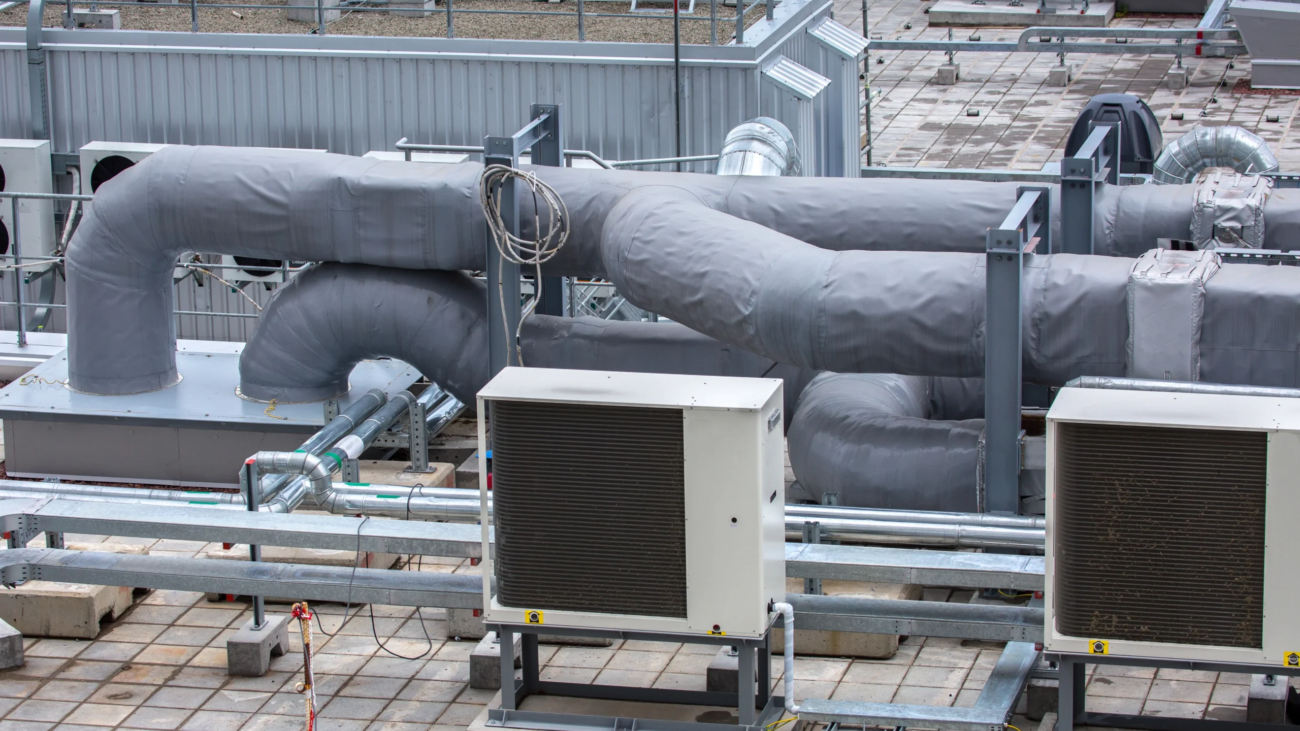
Choosing between a mini-split vs central AC system for your Aurora home depends largely on your home’s layout, existing ductwork, and how you actually use different rooms throughout the day. Both systems cool effectively, but they work in very different ways, and the right choice often comes down to a few specific factors covered in this guide.
How Central AC and Mini-Split Systems Work Differently
A central AC system uses one outdoor condenser connected to a network of ductwork that distributes cooled air throughout the entire home from a single system. A ductless mini-split system uses one or more outdoor condensers connected directly to individual indoor units mounted in specific rooms or zones, with no ductwork required at all.
When Central AC Makes More Sense
Homes that already have ductwork installed, and want uniform cooling across every room from a single system, are typically better suited to central AC. It’s a familiar setup for most homeowners, integrates easily with a whole-home thermostat, and doesn’t require visible indoor units mounted on walls.
When a Mini-Split System Makes More Sense
Mini-splits are a strong option for additions, converted garages, sunrooms, or older Aurora homes without existing ductwork, since installation doesn’t require the extensive construction work that adding ducts to an existing house would involve. They’re also useful for homes where certain rooms consistently run hotter or colder than others, since each zone can be controlled independently rather than fighting a single whole-home thermostat setting.
Cost Comparison: Mini-Split vs Central AC
Central AC installation costs vary based on system size and whether existing ductwork needs modification, but tend to make the most financial sense for homes that already have ducts in place. Mini-split systems often cost more per unit of cooling capacity upfront, especially for multi-zone setups covering several rooms, but can be considerably cheaper than adding new ductwork to a home that doesn’t have any. For a single room or addition, a mini-split is usually the more cost-effective option overall.
Energy Efficiency Differences
Ductless mini-split systems avoid the energy losses that come from air traveling through ductwork, which can lose a meaningful percentage of conditioned air through leaks, especially in older homes with aging duct systems. The ENERGY STAR program notes that ductless systems can be significantly more efficient than ducted systems in homes where duct losses are a factor, particularly in additions or spaces far from the main duct trunk.
Multi-Zone Mini-Split Systems for Larger Aurora Homes
For homes needing more than one or two zones covered, multi-zone mini-split systems connect several indoor units to a single outdoor condenser, which can be a practical alternative to installing separate single-zone systems throughout the house. This setup works well for additions with multiple rooms, finished basements with several distinct areas, or homes where three or four specific rooms consistently run hotter or colder than the rest of the house.
Smart Thermostat Compatibility
Both central AC and mini-split systems can typically integrate with smart thermostats, though the specific compatibility varies by brand and model. Central AC systems generally work with a wider range of standard smart thermostats already on the market, while mini-split systems often rely on brand-specific controls or app-based interfaces, which some homeowners find more limiting and others find more precise for zone-by-zone control.
Backup Heating Considerations With Mini-Split Heat Pumps
Many mini-split systems also function as heat pumps, providing both cooling and heating from the same indoor and outdoor units. For Aurora homeowners considering this option for a room without existing ductwork, it’s worth discussing with an installer whether the specific model chosen performs reliably through Illinois winters, or whether a supplemental heat source makes sense for the coldest stretches of the year.
Installation Differences for Aurora Homes
Central AC installation in a home with existing, well-maintained ductwork is typically straightforward, often completed within a day. Adding central AC to a home without any ductwork is a much larger project, requiring duct installation throughout the house, which increases both cost and installation time considerably. Mini-split installation, by contrast, only requires a small hole through an exterior wall for each indoor unit, making it a faster and less invasive option for additions or ductless homes.
Maintenance Requirements for Each System
Both systems need regular maintenance to run efficiently. Central AC systems require periodic filter changes, coil cleaning, and refrigerant checks through an annual AC tune-up. Mini-split systems have their own maintenance needs, including cleaning the indoor unit’s filters more frequently since they’re typically washable and reusable, along with periodic professional service through mini-split tune-up visits.
Noise and Aesthetics: What to Expect
Mini-split indoor units are mounted visibly on walls or ceilings in each room they serve, which some homeowners prefer for the added zone control, while others find less appealing aesthetically compared to a central AC system’s hidden ductwork and vents. Modern mini-split units also tend to run quieter at the indoor unit compared to older window AC units, though noise levels vary by brand and model.
Can You Combine Both Systems?
Some Aurora homeowners use a hybrid approach, keeping central AC for the main living areas already served by ductwork, while adding a mini-split for a specific addition, converted space, or room that the central system struggles to cool evenly. This approach avoids the cost of extending ductwork into hard-to-reach spaces while still using existing infrastructure where it already works well.
Making the Right Choice for Your Home
The right system ultimately depends on your home’s existing infrastructure, budget, and specific cooling challenges. A licensed technician can evaluate your home’s layout, existing ductwork condition, and room-by-room cooling needs to recommend whether central AC, a mini-split system, or a combination of both makes the most sense. Getting this evaluation done properly upfront saves homeowners from a costly correction later, since retrofitting the wrong system choice is far more disruptive than getting the recommendation right the first time.
Zoning and Comfort Control Differences
One of the most practical differences between the two systems is how they handle rooms with different comfort needs. A central AC system typically operates on a single thermostat setting for the whole home, unless a separate zoning system is added, which increases cost and complexity. A mini-split system is inherently zoned, since each indoor unit can be set to a different temperature independently, making it a natural fit for Aurora households where a home office, nursery, or upstairs bedroom consistently needs a different temperature than the rest of the house.
Lifespan and Long-Term Reliability
Both system types can last 12 to 20 years with proper maintenance, though actual lifespan depends heavily on installation quality, usage patterns, and how consistently the system receives seasonal service. Mini-split systems have fewer components exposed to outdoor conditions along their refrigerant lines compared to some central AC configurations, which some manufacturers cite as a durability advantage, though real-world lifespan still comes down largely to maintenance history.
Resale Value Considerations for Aurora Homes
For homes already equipped with ductwork, most buyers expect central AC as a standard feature, and removing it in favor of a mini-split-only setup could be viewed unfavorably during a future sale. For additions or ductless homes, a properly installed mini-split system is generally viewed as a reasonable, modern solution rather than a downgrade, particularly when it’s clear the alternative would have been extensive and costly ductwork installation.
Frequently Asked Questions
Is a mini-split cheaper than central AC?
It depends on your home. For a single room or addition without ductwork, mini-splits are often cheaper. For whole-home cooling in a house with existing ducts, central AC is usually more cost-effective. A licensed installer can compare both options against your specific home’s layout to give you an accurate answer rather than a general rule of thumb.
Do mini-splits work well in Illinois summers?
Yes, modern mini-split systems are built to handle both hot and cold climates effectively, including Chicagoland’s humid summers and cold winters when paired with heat pump models designed for lower outdoor temperatures.
Can I install a mini-split myself to save money?
No. Mini-split installation involves refrigerant line work and electrical connections that require licensed installation to operate safely and maintain any manufacturer warranty.
Not sure which system fits your Aurora home best? Every home’s layout, existing ductwork, and room-by-room comfort needs are a little different, which is why a proper in-home assessment matters more than a generic recommendation. Call American Mechanical Systems at (630) 930-7745 for an honest comparison based on your home’s specific layout and cooling needs.