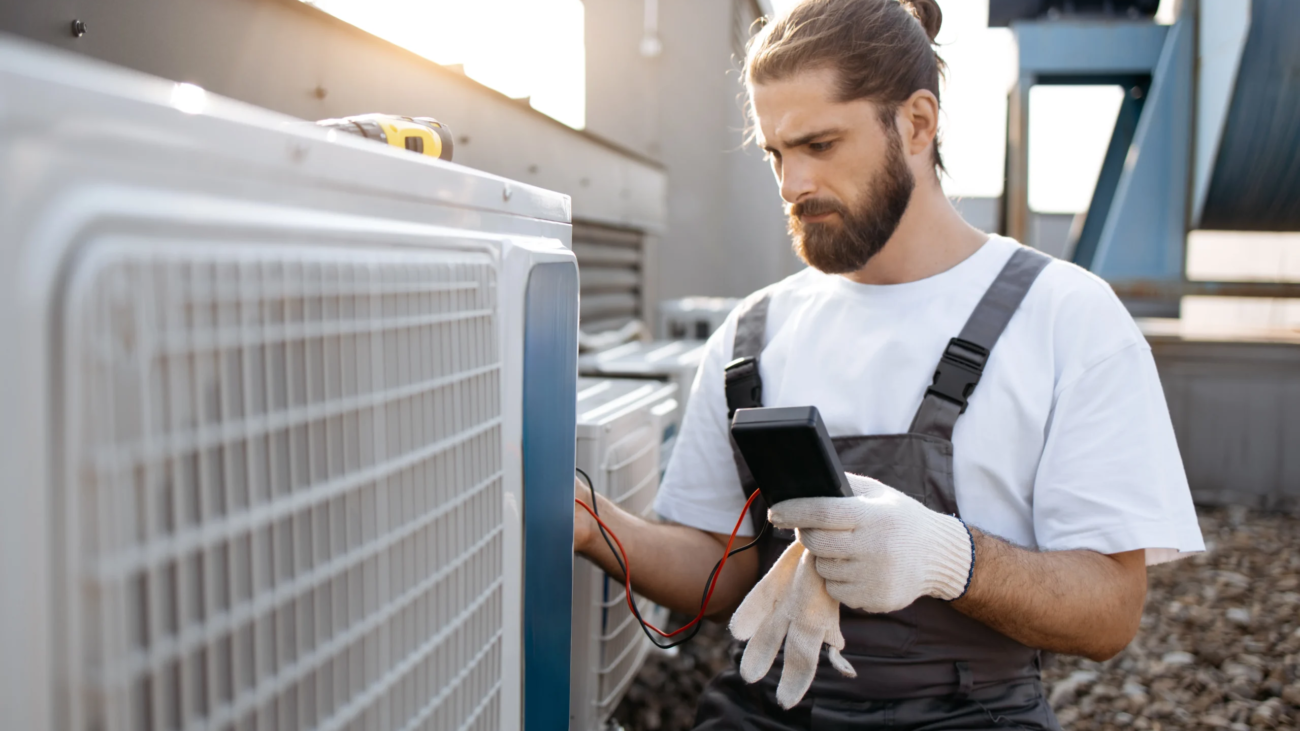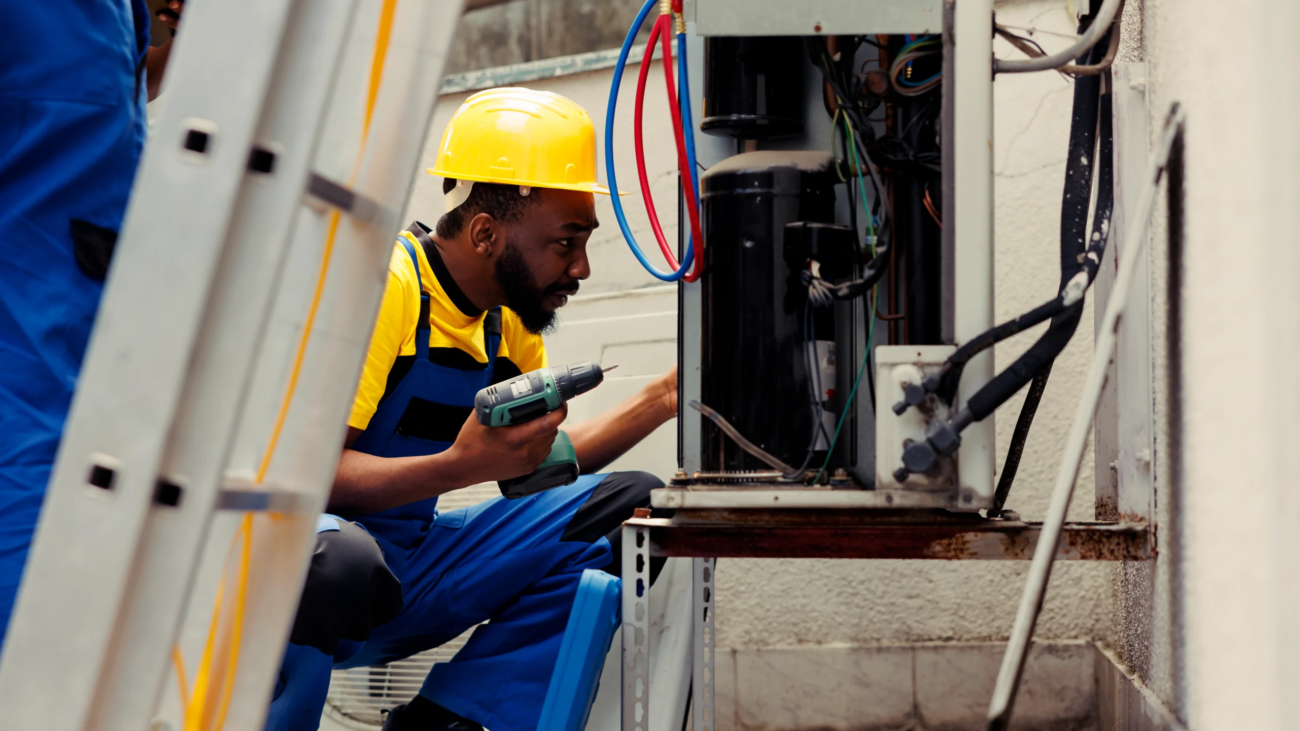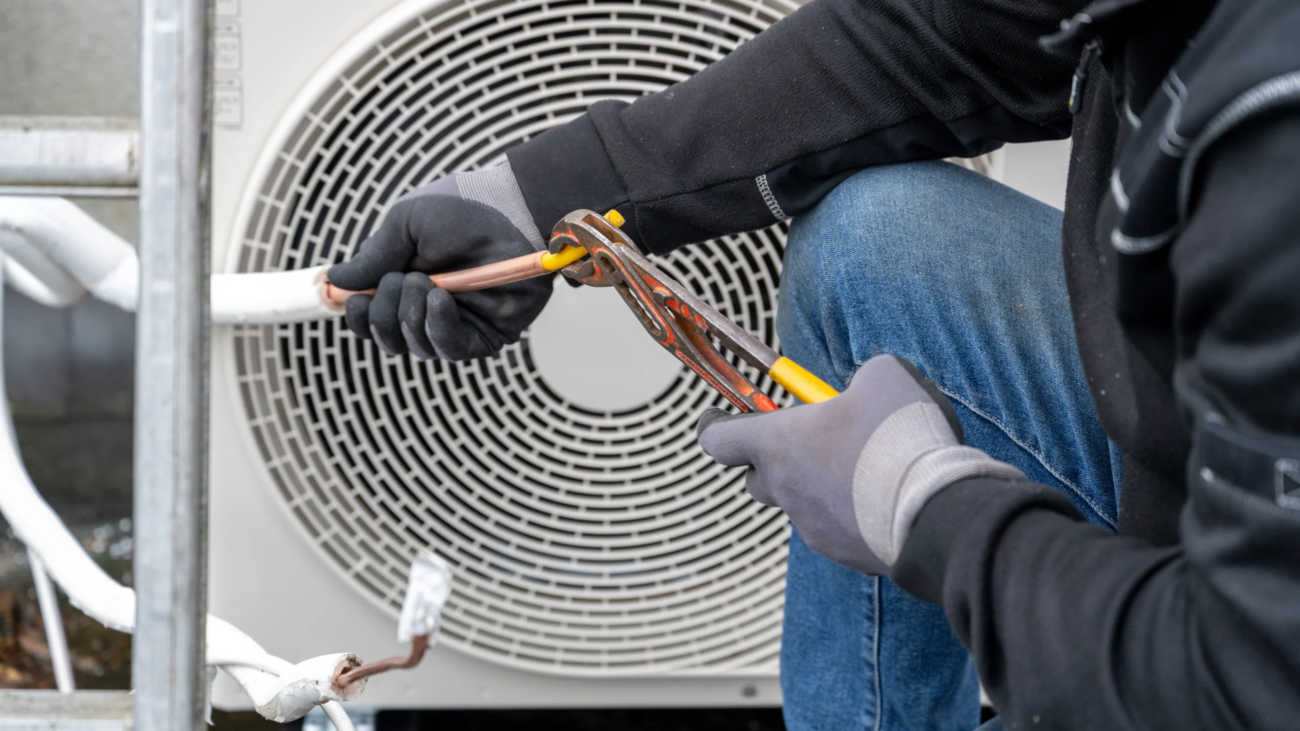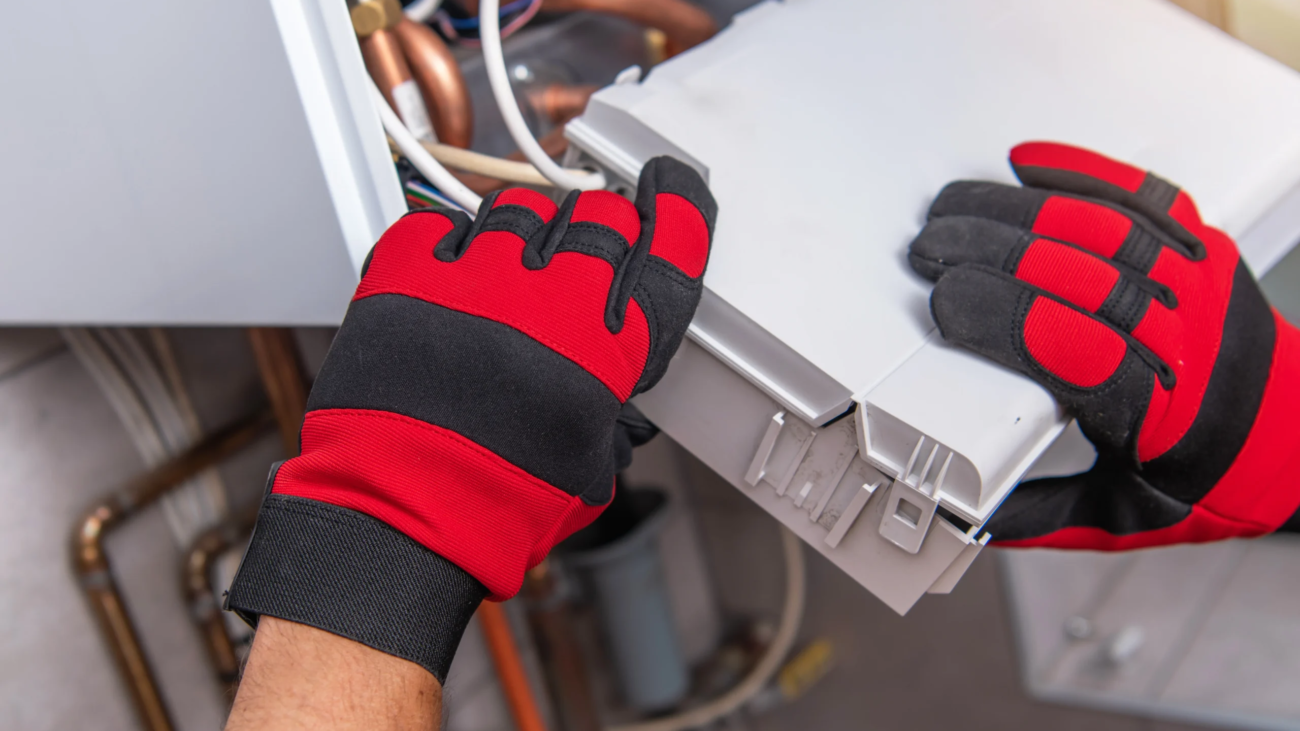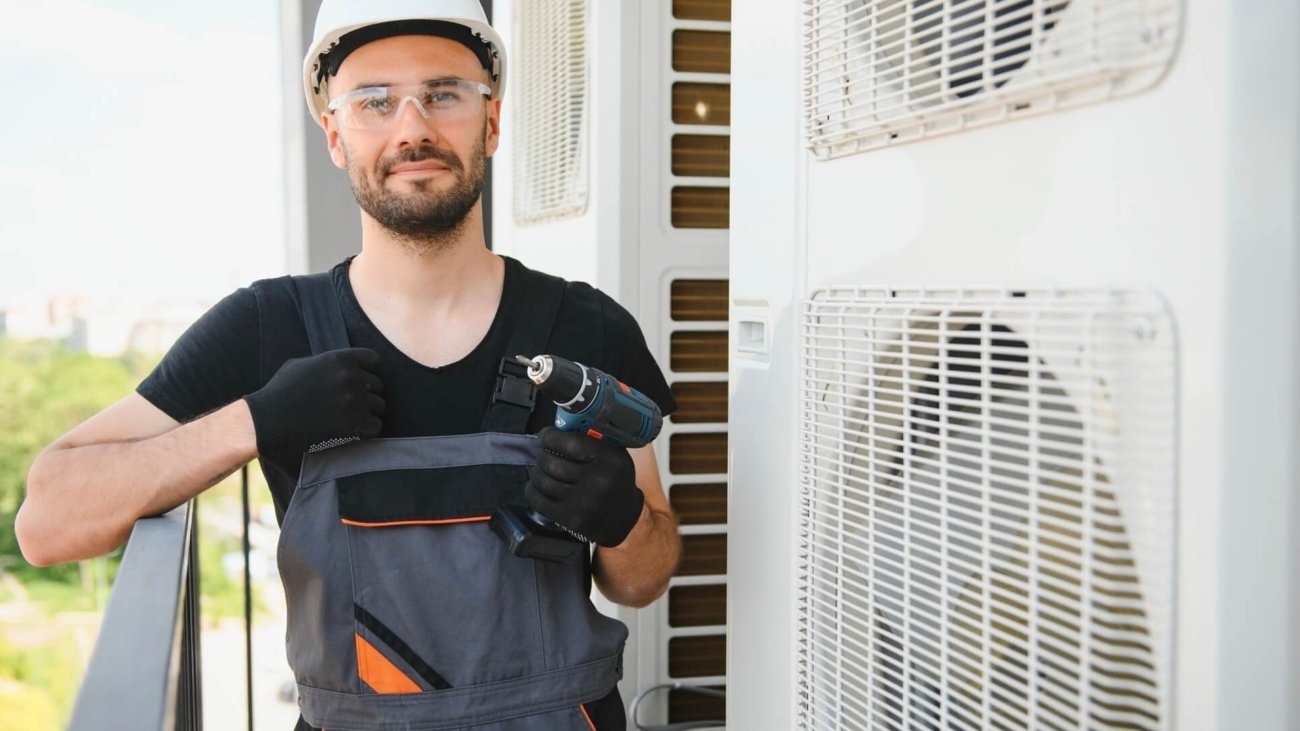
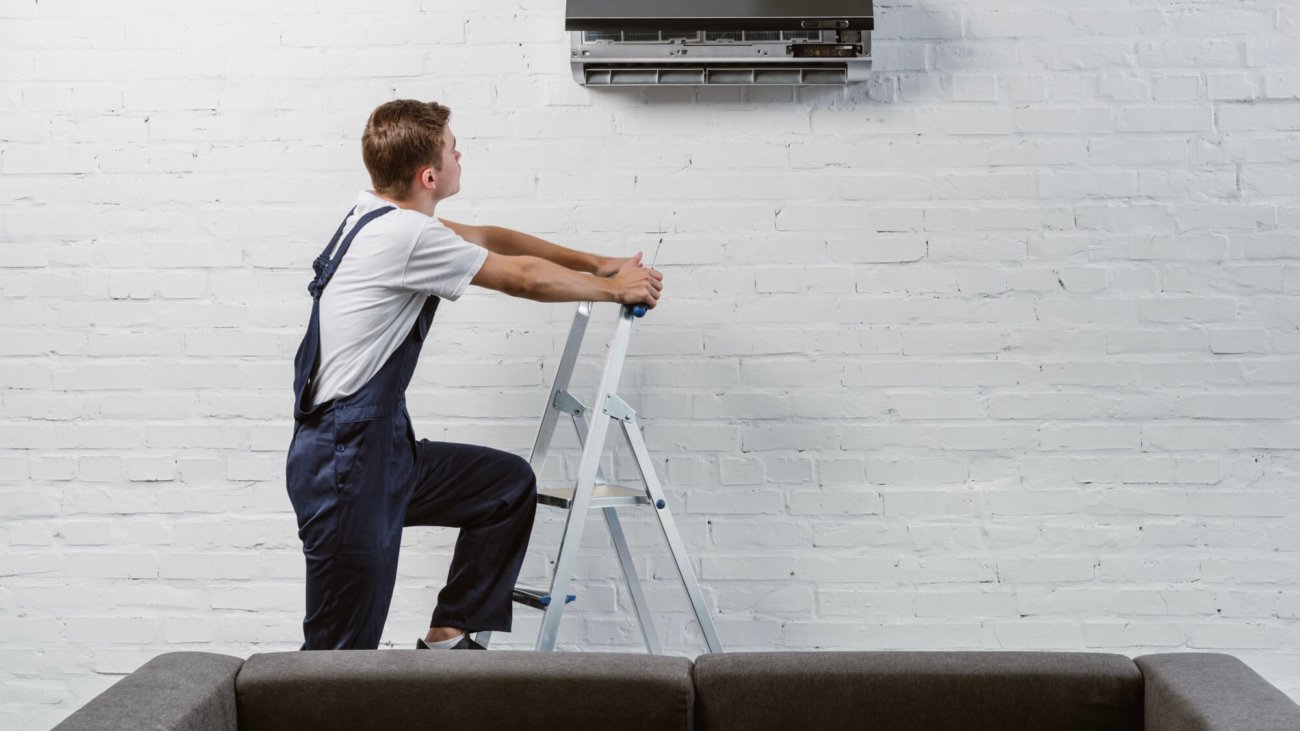
split Ac not cooling - AC Installation and Replacement Services

Split AC Not Cooling? Causes, Fixes & When to Call for Repair

Split air conditioners are known for efficient and quiet cooling, but like any HVAC system, they can develop problems over time. One of the most common issues homeowners face is when the AC is running, but the cooling performance drops significantly.

At first, it may feel like a minor issue slightly warm air or slower cooling but these early signs often indicate deeper problems inside the system. Ignoring them can lead to complete system failure, higher energy bills, and costly repairs. Understanding the real causes behind a split AC not cooling can help you take quick action and avoid unnecessary expenses.

Why Is Your Split AC Not Cooling?

A split AC usually stops cooling due to dirty filters, low refrigerant levels, blocked outdoor units, or internal component issues. Identifying the root cause early can help restore cooling quickly and prevent major damage.

Dirty Air Filters Blocking Airflow

One of the most common reasons a split AC stops cooling is a clogged air filter. Over time, dust and debris accumulate in the filter, restricting airflow. When airflow is blocked, the system cannot circulate cool air effectively, which reduces performance.

This issue not only affects cooling but also forces your AC to work harder, increasing energy consumption. Regular cleaning or replacement of filters can significantly improve efficiency.

Low Refrigerant Levels or Leaks

Refrigerant plays a critical role in the cooling process. If the refrigerant level drops due to leaks, your AC cannot remove heat from the air properly.

Signs of low refrigerant include warm air from the indoor unit, ice buildup on coils, and longer cooling cycles. This problem requires professional repair, as simply refilling refrigerant without fixing the leak will not solve the issue.

Dirty or Blocked Outdoor Unit

The outdoor unit (condenser) is responsible for releasing heat from your home. If it is covered with dirt, dust, or debris, it cannot function efficiently.

When the condenser is blocked, heat remains trapped inside the system, reducing cooling performance. Cleaning the outdoor unit and ensuring proper airflow around it is essential for maintaining efficiency.

Faulty Thermostat or Remote Settings

Sometimes, the issue is not with the AC itself but with the thermostat or remote control settings. Incorrect temperature settings, sensor issues, or low batteries can prevent the system from cooling properly.

Checking these basic settings can help rule out simple problems before calling a technician.

Frozen Evaporator Coil

A frozen coil is a serious issue that can completely stop your AC from cooling. This usually happens due to airflow restrictions or refrigerant problems.

When the coil freezes, it prevents heat absorption, which disrupts the cooling process. Turning off the system may temporarily fix the issue, but professional inspection is required to address the root cause.

Electrical or Component Failure

Split AC not cooling, systems rely on multiple electrical components to function properly. Issues such as faulty capacitors, wiring problems, or compressor failure can affect cooling performance.

These problems require professional diagnosis and repair to ensure safe and effective operation.

When Should You Call a Professional?

If basic troubleshooting does not restore cooling, it’s time to call a professional. Signs such as unusual noises, water leakage, or persistent cooling issues indicate deeper problems that need expert attention.

Delaying repair can lead to more serious damage and higher costs.

How to Prevent Split AC Cooling Problems

Regular maintenance is the key to preventing cooling issues. Cleaning filters, checking refrigerant levels, and inspecting components can help keep your system running efficiently.

Scheduling annual servicing ensures that small problems are identified before they become major issues.

Conclusion: Don’t Ignore Early Warning Signs

A split AC not cooling is never a problem to ignore. What starts as a minor issue can quickly turn into a major repair if left unchecked.

Taking action early helps maintain comfort, reduce energy costs, and extend the lifespan of your system.

FAQs

Why is my split AC running but not cooling?

If your split AC is running but not cooling, it is usually due to airflow restrictions, low refrigerant levels, or dirty components. These issues prevent the system from removing heat effectively. Checking filters and settings can help, but persistent problems require professional repair.

How do I fix my split AC not cooling?

Start by cleaning or replacing the air filter, checking thermostat settings, and ensuring the outdoor unit is not blocked. If the problem continues, it may involve refrigerant or internal components, which should be handled by a professional technician.

How much does split AC repair cost?

Split AC repair costs typically range from $100 to $800 depending on the issue. Minor problems are more affordable, while major repairs like compressor or refrigerant issues can cost more. Early repair helps reduce expenses.
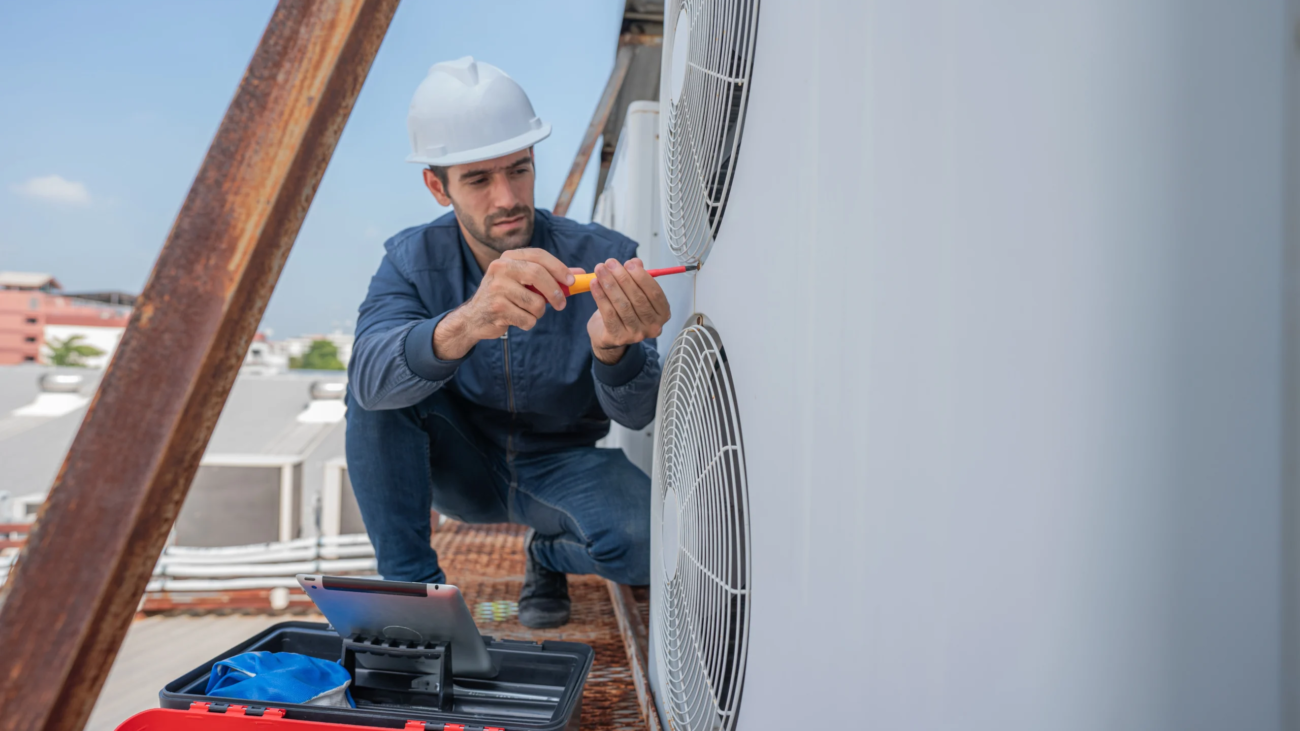
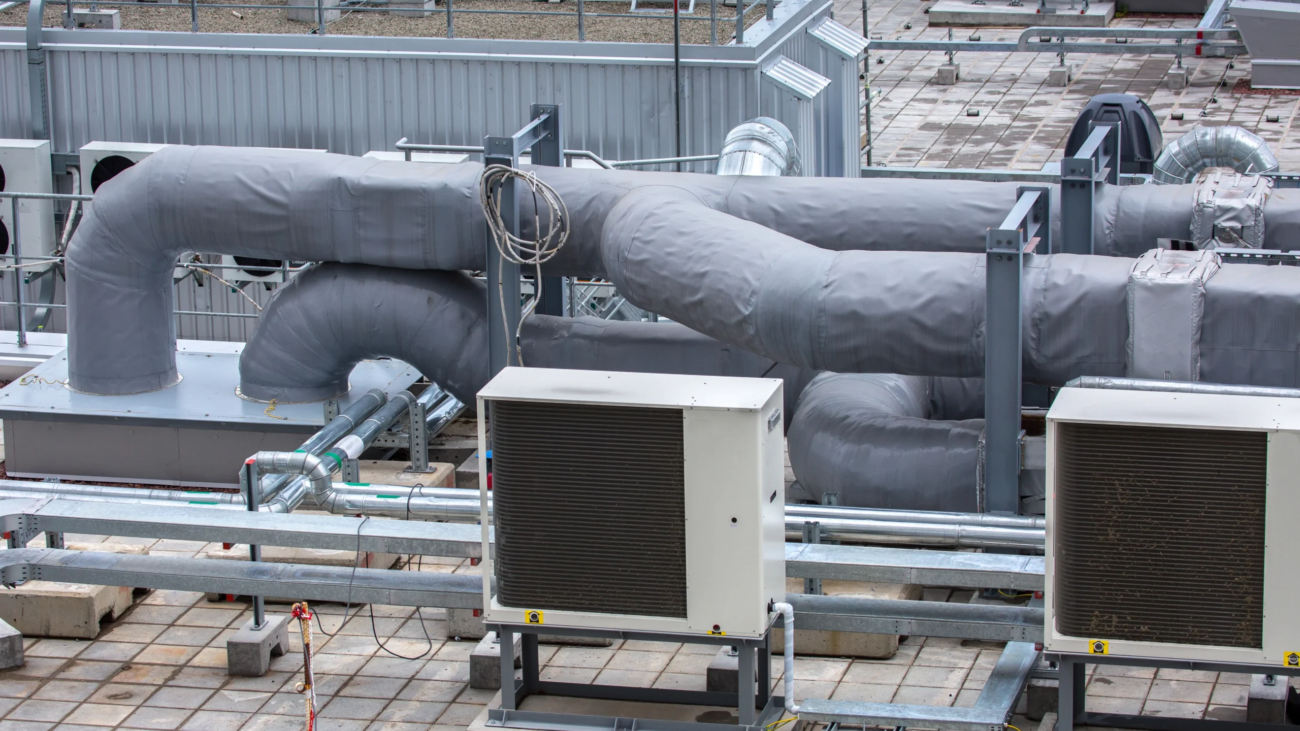
AC Repair in Bolingbrook IL, Ac Repair Near me

Split AC Installation Cost, Process & What Homeowners Should Know

Understanding Split AC Installation

Installing a split AC is one of the best ways to improve indoor comfort, especially in areas where central systems are not practical. However, many homeowners are unsure about the installation process, cost, and what factors affect pricing.

Choosing the right system and ensuring proper installation is essential for long-term performance. A poorly installed AC can lead to inefficiency, higher energy bills, and frequent repairs.

How Much Does Split AC Installation Cost?

Split AC installation typically costs between $500 and $2,500 depending on the unit type, installation complexity, and additional requirements such as wiring or piping.

What Affects Split AC Installation Cost?

Several factors influence the cost of installation. The size and capacity of the AC unit play a major role. Larger units require more work and materials, which increases cost.

Installation complexity is another factor. If additional wiring, drilling, or piping is needed, the cost will be higher. The location of the indoor and outdoor units also affects labor requirements.

Step-by-Step Installation Process

The installation process begins with selecting the right location for both indoor and outdoor units. Proper placement ensures efficient airflow and performance.

Next, the technician installs mounting brackets and drills holes for piping and wiring. The indoor and outdoor units are then connected using refrigerant lines and electrical wiring.

Once everything is connected, the system is tested to ensure proper operation. This step is crucial for identifying any issues before the system is used regularly.

Why Professional Installation Matters

Installing a split AC is not a DIY job. Proper installation requires technical knowledge and specialized tools. Incorrect installation can lead to refrigerant leaks, poor performance, and safety risks.

A professional ensures that the system is installed correctly and operates efficiently.

Choosing the Right AC Size

Selecting the correct AC size is essential for performance. A unit that is too small will struggle to cool your space, while an oversized unit may lead to inefficient operation and humidity issues.

A professional load calculation helps determine the right size based on your room and usage.

Energy Efficiency and Long-Term Savings

Modern split AC systems are designed to be energy-efficient. Choosing a high-efficiency unit can reduce electricity bills and improve overall performance.

Although energy-efficient models may cost more upfront, they provide long-term savings.

Maintenance After Installation

Regular maintenance is essential for keeping your AC in good condition. Cleaning filters, checking components, and scheduling servicing can prevent breakdowns and extend system lifespan.

Invest in Proper Installation

Installing a split AC is a long-term investment. Choosing the right system and ensuring proper installation helps maximize performance and efficiency.

A well-installed system provides consistent cooling, lower energy costs, and reliable performance.

FAQs

How long does split AC installation take?

Split AC installation usually takes between 2 to 6 hours depending on the complexity of the setup. Simple installations can be completed quickly, while more complex setups involving additional wiring or piping may take longer.

Can I install a split AC myself?

While it may seem possible, mini split AC installation requires technical expertise and proper tools. Incorrect installation can lead to performance issues and safety risks, so it is always recommended to hire a professional.

What size split AC do I need?

The size of the AC depends on the room size, insulation, and usage. A professional load calculation ensures you choose the right capacity for efficient cooling and energy savings.

Mini split ac repair - Ac heat pump - Ac Repair in Hansdale IL. Expert AC repair - Local Ac Repair - Mini-Split vs Central AC:

AC Heat Pump Repair: Common Issues, Costs & When to Call a Technician

AC heat pump systems are unique because they provide both heating and cooling in a single unit. This dual functionality makes them highly efficient, but it also means they work harder throughout the year.

Because heat pumps operate continuously across seasons, they are more prone to wear and tear. Small issues can quickly affect both heating and cooling performance, making timely repair essential.

When Does an AC Heat Pump Need Repair?

An AC heat pump repair needs repair when it fails to heat or cool properly, runs continuously, makes unusual noises, or causes higher energy bills. These are signs that the system is not functioning efficiently.

System Not Switching Between Heating and Cooling

One of the most common issues with heat pumps is failure to switch between modes. This problem is usually related to the reversing valve, which controls the direction of refrigerant flow.

When this component fails, the system may get stuck in one mode, affecting overall performance.

Reduced Efficiency and Longer Run Times

If your heat pump takes longer to reach the desired temperature, it indicates reduced efficiency. This is often caused by refrigerant issues, dirty components, or worn-out parts.

Longer run times increase energy consumption and put additional stress on the system.

Ice Buildup and Defrost Issues

Heat pumps are designed to handle cold temperatures, but excessive ice buildup is a sign of a problem. Defrost cycle failure or airflow issues can prevent the system from operating properly.

This can lead to reduced performance and potential damage if not addressed.

Electrical and Component Failures

Heat pumps rely on multiple electrical components for operation. Issues such as faulty wiring, capacitor failure, or motor problems can disrupt performance.

Professional diagnosis is required to identify and fix these issues safely.

Cost of AC Heat Pump Repair

Repair costs vary depending on the issue. Minor repairs are relatively affordable, while major component failures can be more expensive.

Addressing problems early helps reduce overall costs and prevent further damage.

When to Call a Professional Technician

If your system shows signs of inefficiency, unusual noises, or performance issues, it’s best to call a professional. Attempting to fix complex problems without proper knowledge can lead to further damage.

Preventing Heat Pump Issues

Regular maintenance is essential for keeping your heat pump in good condition. Cleaning filters, checking components, and scheduling inspections help maintain efficiency.

Maintain Efficiency with Timely Repair

AC heat pump systems are highly efficient but require proper care. Addressing issues early ensures reliable performance and reduces long-term costs.

Read More: https://americanmechanicalsystems.com/ac-heat-pump-maintenance-essential-for-performance/

FAQs

Why is my heat pump not heating or cooling properly?

This issue is often caused by refrigerant problems, airflow restrictions, or faulty components such as the reversing valve. These problems prevent the system from transferring heat effectively, reducing performance and efficiency.

How much does heat pump repair cost?

Heat pump repair costs typically range from $150 to $1,000 depending on the issue. Minor problems are less expensive, while major repairs involving compressors or motors can cost more.

Should I repair or replace my heat pump?

If your system is relatively new and the repair cost is low, repair is usually the better option. However, if the system is older and requires frequent repairs, replacement may be more cost-effective in the long run.

ac heat pump maintenance

AC Heat Pump Maintenance: Why Regular Service Is Essential for Year-Round Performance

An AC Heat Pump Maintenance is one of the most efficient HVAC systems available today because it handles both heating and cooling in a single unit. Unlike traditional systems that operate seasonally, a heat pump works throughout the year. This constant usage makes maintenance not just important but essential.

Many homeowners assume that if their system is running, everything is fine. However, heat pumps often lose efficiency gradually. Small issues like airflow restrictions or minor component wear can go unnoticed until they turn into major problems. By the time performance drops significantly, repair costs are usually higher.

Regular ac heat pump maintenance ensures that your system operates efficiently, reduces energy consumption, and prevents unexpected breakdowns. It’s not just about keeping your system running it’s about keeping it running at its best.

Why Is Ac Heat Pump Maintenance Important?

Ac Heat pump maintenance improves efficiency, prevents costly repairs, extends system lifespan, and ensures consistent heating and cooling performance throughout the year.

How an AC Heat Pump Works

A heat pump works by transferring heat rather than generating it. During summer, it removes heat from inside your home and releases it outside. In winter, it reverses the process and brings heat indoors.

Because this system runs in both modes, it experiences more wear and tear compared to traditional HVAC systems. Components such as compressors, fans, and coils are used continuously, which increases the likelihood of performance issues if maintenance is neglected.

Signs Your Heat Pump Needs Maintenance

Many systems show clear warning signs before performance drops completely. One of the most common signs is reduced efficiency. If your heat pump takes longer to heat or cool your home, it may need servicing.

Another sign is increased energy bills. When your system is not operating efficiently, it consumes more energy to maintain temperature. Unusual noises, weak airflow, and inconsistent temperatures are also indicators that maintenance is required.

Recognizing these signs early helps prevent major issues and keeps your system running smoothly.

Benefits of Regular Ac Heat Pump Maintenance

One of the biggest benefits of maintenance is improved efficiency. A clean and well-maintained system uses less energy, which reduces your monthly utility bills. Maintenance also helps extend the lifespan of your heat pump. By addressing small issues early, you prevent them from turning into major problems that can shorten the life of the system.

Another important benefit is reliability. A properly maintained system is less likely to break down unexpectedly, especially during extreme weather conditions.

What Happens During Heat Pump Maintenance?

During a professional maintenance visit, a technician performs a detailed inspection of your system. This includes checking refrigerant levels, cleaning coils, inspecting electrical components, and ensuring proper airflow.

The technician also tests the system’s performance to identify any potential issues. This proactive approach helps catch problems early and ensures that your system operates efficiently.

Cleaning and Airflow Optimization

Airflow is one of the most important factors in heat pump performance. Dirty filters, blocked vents, and clogged coils can restrict airflow, reducing efficiency and increasing system strain.

Regular cleaning ensures that air moves freely through the system, improving performance and reducing energy consumption.

Refrigerant and System Efficiency

Refrigerant is essential for the heat transfer process. Low refrigerant levels can significantly affect performance and cause the system to work harder.

During maintenance, technicians check refrigerant levels and ensure there are no leaks. Proper refrigerant levels are critical for efficient operation.

Electrical Components and Safety Checks

Heat pumps rely on multiple electrical components, including capacitors, relays, and wiring. Over time, these components can wear out or develop issues.

Maintenance includes checking these components to ensure safe and reliable operation. This reduces the risk of system failure and safety hazards.

Outdoor Unit Maintenance

The outdoor unit is exposed to dirt, debris, and weather conditions. Keeping it clean is essential for proper heat exchange.

Removing debris and ensuring adequate airflow around the unit helps maintain efficiency and prevents overheating.

How Often Should You Service Your Heat Pump?

Because heat pumps operate year-round, they should be serviced at least twice a year—once before the cooling season and once before the heating season.

Regular servicing ensures that your system is prepared for increased usage and reduces the likelihood of breakdowns.

Why Skipping Maintenance Costs More

Skipping maintenance may save money in the short term, but it often leads to higher costs later. An inefficient system consumes more energy and is more likely to require expensive repairs.

Preventive maintenance is always more cost-effective than emergency repairs or system replacement.

When to Call a Professional

While basic tasks like cleaning filters can be done at home, professional maintenance is essential for detailed inspection and repair. If your system shows signs of inefficiency or unusual behavior, it’s best to call a technician.

Professional servicing ensures that your heat pump operates safely and efficiently.

Conclusion

An AC heat pump maintenance is a long-term investment in your home’s comfort. Regular maintenance ensures that this investment continues to deliver value by improving efficiency, reducing costs, and preventing breakdowns.

By taking a proactive approach, you can keep your system running smoothly and avoid unexpected problems.

FAQs

How often should a heat pump be serviced?

A heat pump should be serviced at least twice a year—once before the cooling season and once before the heating season. Because it operates year-round, regular maintenance is essential to ensure optimal performance and prevent unexpected breakdowns.

What happens if you don’t maintain your heat pump?

If you skip maintenance, your heat pump becomes less efficient over time, leading to higher energy bills and increased wear on components. This can result in frequent repairs, reduced lifespan, and unexpected system failure, especially during peak usage periods.

Can I maintain my heat pump myself?

Homeowners can handle basic tasks such as cleaning filters and ensuring proper airflow. However, professional maintenance is necessary for checking refrigerant levels, inspecting electrical components, and diagnosing internal issues. Combining both approaches ensures the best results.

How much does Ac heat pump maintenance cost?

AC Heat Pump Maintenance typically costs between $100 and $300 depending on the service and system condition. This cost is relatively low compared to major repairs, making regular maintenance a cost-effective investment.

Does maintenance improve heat pump efficiency?

Yes, regular maintenance significantly improves efficiency by ensuring that all components are clean and functioning properly. An efficient system uses less energy, provides better comfort, and reduces overall operating costs.

Air Conditioner Repair Hinsdale, IL

AC Repair vs Replacement: Which Option Saves You More Money?

The Decision That Can Cost You Thousands

When your air conditioner starts acting up, the biggest question isn’t just how to fix it, it’s whether fixing it is even the right choice. Many homeowners immediately go for repair because it seems cheaper in the moment. However, what feels like a cost-saving decision today can turn into repeated expenses over time.

On the other hand, replacing your AC system is a bigger upfront investment, but it can offer long-term savings, improved efficiency, and better comfort. The challenge is knowing exactly when to repair and when to replace. Making the wrong decision can cost you hundreds or even thousands of dollars.

Understanding the real factors behind this decision helps you choose the option that truly saves money—not just in the short term, but over the life of your system.

Should You Repair or Replace Your AC?

If your AC unit is relatively new, well-maintained, and the repair cost is low, repairing it is usually the better option. However, if your system is older, inefficient, and requires frequent repairs, replacing it becomes the smarter long-term investment.

Understanding the True Cost of AC Repair

At first glance, repairing an air conditioner seems like the obvious choice. A single repair might cost a few hundred dollars, which is significantly less than replacing the entire system. However, the real cost of repair is not just the price of one fix—it’s the total cost of keeping the system running over time.

Older systems often develop recurring issues. What starts as a small repair can turn into multiple service calls within a year. Each repair adds to the total cost, and eventually, you may find yourself spending more than the value of the system itself.

Another important factor is efficiency. Even after repair, an older AC unit may continue to consume more energy, increasing your monthly utility bills. This hidden cost often goes unnoticed but has a significant impact over time.

When Repair Is the Right Choice

Repairing your AC makes sense when the system is still in good overall condition. If your unit is less than 8–10 years old and hasn’t required frequent repairs, fixing the issue can extend its lifespan without major expense.

Minor issues such as thermostat malfunctions, capacitor failures, or clogged filters are relatively inexpensive to fix. In these cases, repair provides a quick and cost-effective solution without the need for a major investment.

Additionally, if your system has been regularly maintained and the current problem is isolated, repair is usually the best option. A well-maintained AC unit can continue to perform efficiently for many years with proper care.

When Replacement Becomes the Smarter Investment

As your AC system ages, the cost of keeping it running begins to rise. Components wear out, efficiency declines, and breakdowns become more frequent. At this stage, continuing to repair the system often becomes less practical.

One of the biggest reasons to consider replacement is energy efficiency. Modern air conditioners are designed to use significantly less energy while providing better cooling performance. Upgrading to a newer system can reduce your monthly energy bills and improve overall comfort.

Another factor is reliability. Older systems are more likely to fail during peak usage periods, such as the hottest days of summer. Replacing the system eliminates the uncertainty and ensures consistent performance.

The 50% Rule: A Practical Decision Guide

A commonly used guideline in the HVAC industry is the 50% rule. If the cost of repair is more than 50% of the cost of a new system, replacement is usually the better option.

This rule helps homeowners avoid investing heavily in a system that may not last much longer. Instead of spending a large amount on repairs, that money can be put toward a new, more efficient system.

Energy Efficiency and Long-Term Savings

One of the most overlooked factors in this decision is energy efficiency. Older AC units often consume more power to deliver the same level of cooling. Over time, this results in higher electricity bills. Newer systems are built with advanced technology that improves efficiency and reduces energy consumption. While the upfront cost of replacement may seem high, the long-term savings on energy bills can offset this expense.

Comfort and Performance Differences

Beyond cost, comfort is another important consideration. Older systems often struggle to maintain consistent temperatures, leading to uneven cooling and humidity issues. New AC systems provide better temperature control, improved airflow, and enhanced humidity management. This results in a more comfortable indoor environment, especially during extreme weather conditions.

Repair vs Replacement: The Emotional Factor

Homeowners often hesitate to replace their AC because of the upfront cost. There’s a natural tendency to keep repairing a system in the hope that it will last a little longer. However, this approach can lead to ongoing frustration and unexpected expenses. Making a clear, informed decision based on facts rather than emotion helps avoid these issues.

Making the Right Decision for Your Home

The decision between repair and replacement should be based on a combination of factors, including the age of the system, repair history, efficiency, and overall performance.

If your system is still relatively new and the issue is minor, repair is usually the right choice. If the system is aging, inefficient, and requires frequent repairs, replacement becomes the more practical and cost-effective solution.

Conclusion

AC repair may seem like the cheaper option at first, but it’s not always the most cost-effective in the long run. Understanding the true cost of repairs, efficiency, and system performance helps you make a smarter decision.

By evaluating both short-term expenses and long-term savings, you can choose the option that truly benefits your home and budget.

AC Repair in Bolingbrook IL - Best Time to Replace Your AC Unit

AC Not Cooling? 9 Real Reasons + What Actually Fixes It

When your ac not cooling properly, it rarely happens all at once. In most cases, the system has been under stress for days or even weeks before the problem becomes noticeable. What starts as slightly reduced cooling often turns into warm air, longer run times, and eventually a complete loss of performance.

Many homeowners ignore these early warning signs, assuming the system just needs time to “catch up.” In reality, your AC is working harder than it should, which increases wear on internal components and drives up your energy bills. The longer the issue is left unresolved, the more likely it is to turn into a costly repair.

Understanding the real reasons behind cooling failure is the first step toward fixing the problem before it gets worse.

What Causes an AC to Stop Cooling?

An air conditioner usually stops cooling due to airflow restrictions, refrigerant issues, dirty components, or mechanical failure. In simple terms, either the system cannot move air properly, or it cannot remove heat effectively. Both situations lead to the same result—your home stays warm no matter how long the AC runs.

Restricted Airflow: The Most Overlooked Problem

Airflow is the foundation of your entire cooling system. If air cannot move freely through the system, everything else starts to fail. A clogged filter, blocked vents, or dirty coils can all restrict airflow, forcing your AC to work harder while delivering less cooling.

This issue often builds up gradually, which is why many people don’t notice it right away. Over time, reduced airflow can cause the system to overheat or even freeze internally. Fixing airflow problems early is one of the simplest ways to restore performance without major repairs.

Refrigerant Problems: When Your AC Can’t Remove Heat

Refrigerant is what allows your AC to absorb heat from inside your home and release it outside. If the refrigerant level is low, the system loses its ability to cool effectively. This usually happens because of a leak, not because the refrigerant simply “runs out.”

When refrigerant levels drop, you may notice warm air from vents, ice buildup on coils, or longer cooling cycles. This is not something that can be fixed with a quick adjustment. It requires proper leak detection and repair, followed by recharging the system to the correct level.

Dirty Coils: Hidden Efficiency Killer

Your AC relies on two main coils the evaporator coil inside and the condenser coil outside. Both must remain clean to transfer heat efficiently. When dirt and debris build up on these coils, the system struggles to release heat, which reduces cooling performance significantly.

Dirty coils force your AC to run longer cycles, increasing energy usage and putting stress on components. Over time, this can lead to overheating or system failure. Regular maintenance helps prevent this issue, but once it becomes severe, professional cleaning is usually required.

Thermostat Miscommunication

Sometimes the issue isn’t mechanical at all. The thermostat acts as the control center of your system, and if it’s not working correctly, your AC won’t respond as expected. Incorrect calibration, sensor issues, or outdated thermostats can all cause cooling problems.

If your system turns on but doesn’t reach the desired temperature, or cycles inconsistently, the thermostat may not be accurately reading indoor conditions. Upgrading to a modern, programmable thermostat can improve both comfort and efficiency.

Frozen Evaporator Coil: A Serious Warning Sign

A frozen coil is one of the clearest signs that something is wrong inside your AC system. This usually happens when airflow is restricted or refrigerant levels are too low. When the coil freezes, it cannot absorb heat, which stops the cooling process completely.

You might notice reduced airflow, ice buildup, or water leakage as the ice melts. While turning off the system may temporarily resolve the issue, the underlying cause must be fixed to prevent it from happening again.

Electrical Issues and Failing Components

Your AC system depends on multiple electrical components to function properly. Capacitors, relays, and wiring all play a role in starting and running the system. When one of these components begins to fail, the system may run inefficiently or stop cooling altogether.

Electrical issues often develop over time and can be difficult to detect without proper inspection. Ignoring them can lead to sudden system failure, especially during peak usage periods.

Ductwork Problems Affecting Cooling Performance

Even if your AC unit is functioning correctly, your ductwork can prevent cool air from reaching your living spaces. Leaks, blockages, or poor design can cause significant energy loss and uneven cooling.

This is especially noticeable when some rooms feel comfortable while others remain warm. Addressing duct issues can dramatically improve overall system performance and comfort.

Aging System and Declining Performance

As air conditioners age, their efficiency naturally declines. Components wear out, performance drops, and the system struggles to keep up with demand. Older units often require more frequent repairs and consume more energy.

If your system is approaching the end of its lifespan, ongoing cooling problems may indicate that replacement is a more practical solution than continued repairs

Incorrect System Size: A Hidden Cause of Cooling Issues

An improperly sized AC system can create long-term performance problems. A unit that is too small will constantly run without effectively cooling your home, while an oversized system may cool quickly but fail to remove humidity.

Proper sizing is essential for balanced performance, and incorrect sizing often leads to discomfort and inefficiency

When a Simple Fix Isn’t Enough

While some AC issues can be resolved with basic maintenance, others require professional expertise. If your system continues to struggle despite simple fixes, it’s a sign that the problem is deeper than it appears.

Delaying repairs can turn a manageable issue into a costly breakdown. Addressing problems early ensures your system operates efficiently and avoids unnecessary damage.

Conclusion: Fix the Problem Before It Becomes Expensive

An AC that is not cooling is never something to ignore. Whether the issue is airflow, refrigerant, or system wear, every problem has a cause—and every delay increases the risk of a bigger repair.

By understanding how your system works and recognizing the warning signs early, you can take action before the situation gets worse. A well-maintained AC not only keeps your home comfortable but also saves you money in the long run.

AC Repair in Bolingbrook IL, Ac Repair Near me

Why Furnace Repair Costs Vary More Than You Expect

When your furnace stops working, the first question that comes to mind is cost. Most homeowners want a clear number, but the reality is that furnace repair pricing can vary significantly depending on the issue, system condition, and how quickly the repair is needed. What seems like a minor issue on the surface can sometimes reveal deeper problems inside the system.

The key to understanding furnace repair costs is knowing what actually drives pricing. Without that, it’s easy to overpay or delay necessary repairs, both of which can end up costing more in the long run.

Average Furnace Repair Cost

On average, furnace repair costs typically range between $150 and $900, with most homeowners paying around $300 to $600 for standard repairs. Minor issues such as thermostat problems or filter replacements fall on the lower end, while major component failures can push costs significantly higher.

This range gives a general idea, but your actual cost depends on the specific issue and how early it is addressed.

What Actually Affects Furnace Repair Pricing?

Furnace repair is not a fixed-cost service because every system and situation is different. One of the biggest factors is the type of problem. Simple issues that involve basic parts or quick adjustments are usually affordable, while complex repairs involving motors, heat exchangers, or electrical systems require more time and expertise.

Another major factor is the age of the system. Older furnaces tend to break down more often and may require parts that are harder to find. This not only increases the cost of repair but also raises the question of whether replacement might be a better option.

Timing also plays a role. Emergency repairs during peak winter months are often more expensive due to high demand. When your furnace fails during extreme weather, service availability becomes limited, which can affect pricing.

Common Furnace Repairs and Their Real Costs

Most furnace issues fall into a few common categories. Thermostat-related problems are usually the least expensive and can often be resolved quickly. Ignition system repairs are slightly more complex but still relatively affordable.

Blower motor issues tend to be more costly because they involve mechanical components that require detailed inspection and replacement. Heat exchanger problems are among the most serious and expensive repairs, often leading homeowners to consider replacing the entire unit instead.

Understanding these common repair types helps you better estimate what your specific situation might cost.

When Repair Is Worth It vs Replacement

One of the most important decisions homeowners face is whether to repair or replace their furnace. If your system is relatively new and the repair cost is reasonable, fixing it is usually the best option. However, if your furnace is older and requires frequent repairs, replacement may be more cost-effective over time.

A commonly used guideline is to compare the repair cost to the value of the system. If the repair is a significant percentage of the cost of a new unit, investing in a replacement may provide better long-term value.

Why Delaying Furnace Repair Increases Cost

Many homeowners delay furnace repairs, hoping the issue will resolve itself or remain manageable. In reality, most furnace problems worsen over time. What starts as a small issue can put additional strain on other components, leading to more extensive damage.

Addressing problems early not only reduces repair costs but also helps maintain system efficiency and performance.

How to Avoid Overpaying for Furnace Repair

The best way to avoid overpaying is to understand the problem and work with a trusted professional. Getting a clear explanation of the issue and the required repair helps you make an informed decision.

Regular maintenance is another key factor. A well-maintained furnace is less likely to experience major breakdowns, which means fewer expensive repairs over time.

Final Thoughts: Know Before You Pay

Furnace repair costs don’t have to be unpredictable. By understanding the average price range, common issues, and factors that affect cost, you can approach repairs with confidence.

The most important thing is to act early. Waiting too long can turn a simple repair into a major expense, while timely action keeps your system running efficiently and your home comfortable.

Read More

AC Repair Services Naperville

How Much Does AC Repair Cost in Naperville, IL?

Introduction: Why Naperville Homeowners Search AC Repair Costs First

When your air conditioner stops working in the middle of a hot Naperville summer, the first question that comes to mind is simple: how much is this going to cost? Before calling an HVAC contractor, most homeowners want a clear idea of pricing so they can avoid overpaying and make a confident decision.

If you’re searching for AC repair cost in Naperville, IL, you’re likely dealing with an urgent issue and need fast, honest answers. The truth is, AC repair costs can vary depending on the problem, system type, and urgency of the service. Understanding these factors can help you avoid surprises and choose the right solution for your home.

Average AC Repair Cost in Naperville, IL

The average AC repair cost in Naperville, IL typically ranges from $150 to $900, with most homeowners paying around $300 to $600 for common repairs. Minor issues like thermostat fixes or capacitor replacements are on the lower end, while major repairs involving compressors or refrigerant leaks can cost significantly more.

This range gives you a realistic expectation, but your final cost will depend on several important factors.

What Affects AC Repair Costs in Naperville, IL?

AC repair pricing isn’t fixed because every system and situation is different. One of the biggest factors is the type of issue your system is experiencing. Simple problems such as clogged filters or minor electrical faults are relatively inexpensive to fix, while complex issues like compressor failure or refrigerant leaks require more time, expertise, and parts.

Another important factor is the age and condition of your system. Older air conditioners tend to break down more frequently and may require harder-to-find parts, which increases repair costs. Additionally, emergency services—especially during peak summer days in Naperville—can come at a premium due to high demand.

The size of your home and the type of AC system you use also play a role. Central air systems, ductless mini-splits, and high-efficiency units all have different repair requirements, which can influence the final price.

Common AC Repairs and Their Costs

Most AC problems fall into a few common categories, each with its own cost range. Thermostat issues are among the least expensive and can often be resolved quickly. Capacitor or contactor replacements are also relatively affordable and are some of the most frequent repairs homeowners face.

Refrigerant leaks, on the other hand, are more costly because they require locating the leak, repairing it, and recharging the system. Compressor repairs or replacements are typically the most expensive, often leading homeowners to consider whether replacing the entire unit might be a better investment.

Understanding these common repairs helps you recognize whether your issue is minor or something more serious.

Is AC Repair Worth It or Should You Replace Your Unit?

One of the most important decisions homeowners face is whether to repair or replace their air conditioning system. If your AC is relatively new and the repair cost is reasonable, fixing it is usually the best option. However, if your system is over 10–15 years old and requires frequent repairs, replacement may be more cost-effective in the long run.

A general rule many HVAC professionals follow is that if the repair cost is more than 30–40% of the cost of a new system, replacement should be considered. Newer systems are also more energy-efficient, which can lead to significant savings on your monthly utility bills.

Why AC Repair Costs in Naperville May Be Higher

Naperville homeowners often experience higher AC repair costs compared to smaller towns due to demand, climate conditions, and service availability. During peak summer months, HVAC companies receive a high volume of emergency calls, which can drive up pricing.

Additionally, the fluctuating weather in Illinois puts extra strain on HVAC systems, leading to more frequent repairs. Choosing a local HVAC contractor who understands Naperville’s climate can help ensure accurate diagnosis and fair pricing.

How to Avoid Overpaying for AC Repair

Many homeowners worry about being overcharged for AC repairs, especially during emergencies. The best way to avoid this is by working with a trusted local HVAC company that offers transparent pricing and detailed explanations of the problem.

Regular maintenance is another key factor in reducing repair costs. Routine inspections can catch small issues before they turn into expensive problems. Replacing air filters, cleaning coils, and scheduling seasonal tune-ups can significantly extend the life of your system.

Signs You Need AC Repair Immediately

If your air conditioner is not cooling properly, making unusual noises, or causing a sudden increase in energy bills, it’s time to take action. Delaying repairs can lead to more severe damage and higher costs.

Many Naperville homeowners search for “AC repair near me” when they notice these signs, as quick service can prevent a complete system breakdown.

Choosing the Right AC Repair Service in Naperville, IL

Not all HVAC companies offer the same level of service, which is why choosing the right contractor is essential. A reliable company will provide clear pricing, experienced technicians, and prompt service.

Local expertise is especially important in Naperville, where weather conditions can vary significantly throughout the year. Working with a trusted local provider ensures faster response times and better long-term results.

Conclusion: Know the Cost Before You Call

Understanding AC repair costs in Naperville, IL helps you make informed decisions when your system breaks down. While prices can vary, having a general idea of what to expect allows you to avoid unnecessary stress and choose the best solution for your home.

Whether your issue is minor or requires major repair, acting quickly can save you money and restore comfort to your home.

Need Affordable AC Repair in Naperville, IL?

If your AC isn’t working properly, don’t wait for the problem to get worse. Get fast, reliable, and transparent AC repair services from experienced professionals in Naperville.

Stay cool, save money, and keep your home comfortable with expert HVAC solutions tailored to your needs.

FAQ

How much does it cost to fix an AC in Naperville, IL?

Most AC repairs in Naperville cost between $150 and $900, depending on the issue.

What is the most expensive AC repair?

Compressor replacement is usually the most expensive AC repair.

Is it cheaper to repair or replace an AC?

If your system is newer, repair is cheaper. Older systems may benefit more from replacement.

How long does AC repair take?

Most AC repairs can be completed within 1 to 3 hours, depending on the problem.

worker-performs-maintenance-on-equipment-with-glov-2026-02-11-21-38-19-utc

The Importance of Furnace Maintenance and Professional Furnace Repair

Winters in Naperville, Illinois can be brutal, and when your furnace decides to take an unexpected vacation, it can turn your cozy abode into an icebox. That’s where we come in. At American Mechanical Systems, we take pride in being Naperville’s go-to experts for all things heating and cooling, including top-notch furnace repair services. We’ll walk you through the importance of furnace maintenance, common issues that may require repairs, and why choosing the right professionals for the job matters.

Why Furnace Maintenance Matters

Regular furnace maintenance improves efficiency, prevents unexpected breakdowns, extends system lifespan, and reduces repair costs. Professional furnace repair ensures that issues are fixed correctly and safely before they become major problems.

How Furnace Maintenance Protects Your System

A furnace is made up of multiple components that work together to generate and distribute heat. Over time, dust, wear, and minor issues begin to affect performance. Without regular maintenance, these small problems can build up and cause significant damage.

Routine maintenance ensures that each component is inspected, cleaned, and adjusted as needed. This keeps the system running smoothly and prevents unnecessary strain. When a furnace operates efficiently, it doesn’t have to work as hard to maintain the desired temperature, which reduces wear and tear.

The Hidden Cost of Skipping Maintenance

Many homeowners skip furnace maintenance to save money, but this often leads to higher expenses later. When a system is not properly maintained, it becomes less efficient, which increases energy consumption. Over time, this results in noticeably higher utility bills.

In addition to increased energy costs, lack of maintenance can lead to unexpected breakdowns. Emergency repairs are usually more expensive and often occur at the worst possible time—during the coldest days of winter. Addressing small issues early is always more cost-effective than dealing with major repairs later.

Why Professional Furnace Repair Is Essential

While some minor tasks like changing filters can be handled by homeowners, most furnace repairs require professional expertise. A trained technician has the knowledge and tools to diagnose problems accurately and fix them safely.

Attempting to repair a furnace without proper experience can lead to further damage or even safety risks. Professional repair ensures that the issue is resolved correctly and that the system continues to operate safely.

Common Furnace Problems That Require Expert Attention

Furnaces can develop a variety of issues over time, many of which are not immediately visible. Problems such as ignition failure, airflow restrictions, and worn-out components can affect performance without obvious warning signs.

In many cases, homeowners notice symptoms like uneven heating, strange noises, or increased energy bills. These signs indicate that the system needs professional inspection. Ignoring them can lead to more serious problems and higher repair costs.

The Role of Maintenance in Energy Efficiency

Energy efficiency is one of the biggest benefits of regular furnace maintenance. When a system is clean and properly adjusted, it uses less energy to produce the same level of heat. This not only reduces utility bills but also minimizes environmental impact.

An inefficient furnace has to work harder to maintain temperature, which increases energy consumption and puts additional stress on the system. Regular maintenance helps keep the system operating at peak efficiency.

Extending the Lifespan of Your Furnace

A well-maintained furnace can last significantly longer than one that is neglected. Regular inspections and timely repairs prevent small issues from turning into major problems that can shorten the lifespan of the system.

Replacing a furnace is a major investment, so extending its lifespan through proper care is a practical way to save money over time. Maintenance ensures that your system continues to perform reliably for as long as possible.

Safety Benefits of Regular Furnace Maintenance

Safety is another critical reason to prioritize furnace maintenance. Issues such as gas leaks, carbon monoxide exposure, and electrical faults can pose serious risks if not addressed promptly.

Professional maintenance includes safety checks that ensure your system is operating correctly and does not pose any to your household. This provides peace of mind, especially during the winter months when the furnace is used frequently.

Why Local Expertise Matters in Naperville, Illinois

Homes in Naperville experience cold winters, which places additional demand on heating systems. A furnace that is not properly maintained may struggle to perform under these conditions.

Working with professionals who understand local climate conditions ensures that your system is prepared for seasonal challenges. Local expertise allows technicians to identify potential issues and recommend solutions that are specific to your area.

When Should You Schedule Furnace Maintenance?

Furnace maintenance should ideally be scheduled before the start of the winter season. This ensures that your system is ready to handle increased usage and reduces the likelihood of unexpected breakdowns.

Regular annual maintenance is recommended to keep the system in optimal condition. If your furnace is older or has experienced previous issues, more frequent inspections may be beneficial.

Signs Your Furnace Needs Immediate Repair

While maintenance helps prevent issues, it’s important to recognize when your furnace needs immediate attention. Signs such as unusual noises, reduced heating performance, and sudden increases in energy bills should not be ignored.

These symptoms indicate that the system is not functioning properly and requires professional evaluation. Addressing these issues promptly can prevent further damage and restore performance.

Conclusion: Invest in Maintenance, Avoid Major Repairs

Furnace maintenance and professional repair are essential for maintaining comfort, efficiency, and safety in your home. Taking a proactive approach helps prevent unexpected breakdowns, reduces energy costs, and extends the life of your system.

Instead of waiting for problems to occur, regular maintenance ensures that your furnace continues to perform reliably when you need it most. Investing in professional care today can save you time, money, and stress in the future.

repairman-service-for-repair-and-maintenance-of-ai-QPCGKHS-e1765955455196.jpg

Best HVAC Contractor: How to Choose the Right Company

Why Choosing the Right HVAC Contractor Matters More Than You Think

When your heating or cooling system stops working, the urgency to fix it often pushes homeowners to hire the first contractor they find. At that moment, comfort becomes the priority, and decision-making becomes rushed. However, the quality of the contractor you choose directly affects not only the immediate repair but also the long-term performance of your entire HVAC system.

An experienced HVAC contractor does more than just fix a problem—they diagnose the root cause, ensure system efficiency, and help prevent future breakdowns. On the other hand, an inexperienced or careless contractor may provide a temporary fix that leads to recurring issues, higher energy bills, and costly repairs down the line. This is why choosing the right HVAC professional is not just a service decision it’s an investment in your home’s comfort and reliability.

What Defines a Truly Professional HVAC Contractor?

Not all HVAC contractors offer the same level of expertise, even if they claim to provide similar services. A truly professional contractor focuses on accuracy, transparency, and long-term results rather than quick fixes.

One of the key characteristics of a reliable contractor is their approach to diagnosis. Instead of jumping straight into repairs, they take time to understand the system, inspect components thoroughly, and identify the underlying issue. This ensures that the solution is effective and not just temporary.

Communication is another defining factor. A skilled contractor explains the problem in simple terms, outlines available solutions, and provides clear pricing before starting any work. This builds trust and helps homeowners make informed decisions rather than feeling pressured into unnecessary repairs.

The Hidden Risk of Choosing Based on Price Alone

One of the most common mistakes homeowners make is selecting an HVAC contractor based solely on the lowest price. While saving money is important, choosing the cheapest option can often lead to higher costs in the long run.

Low-cost services may involve shortcuts, such as incomplete inspections, temporary fixes, or the use of low-quality parts. These practices might solve the issue temporarily, but they often result in repeated breakdowns and additional repair costs.

In contrast, a qualified HVAC contractor focuses on delivering long-term value. They use quality components, follow proper procedures, and ensure that the system operates efficiently after the repair. Although the upfront cost may be slightly higher, the long-term savings and reliability make it a better investment.

Experience and Expertise: Why They Matter

HVAC systems are complex, and each home presents unique challenges. An experienced contractor has worked with a wide range of systems and understands how different components interact. This knowledge allows them to identify issues quickly and provide effective solutions.

Experience also plays a role in handling unexpected situations. During a repair or installation, complications can arise that require quick thinking and technical expertise. A seasoned professional is better equipped to handle these challenges without compromising the quality of work.

Importance of Proper Licensing and Certification

A licensed HVAC contractor meets industry standards and follows local regulations. Certification ensures that the technician has received proper training and understands how to handle HVAC systems safely and effectively.

Hiring a licensed professional reduces the risk of improper installation or repair, which can lead to safety hazards and system damage. It also provides peace of mind, knowing that the work is being carried out by someone who is qualified and accountable.

Why Reviews and Reputation Should Guide Your Decision

In today’s digital world, customer reviews provide valuable insight into the quality of an HVAC contractor’s work. Positive reviews often reflect consistent performance, reliability, and customer satisfaction.

However, it’s important to look beyond the rating and read the actual feedback. Detailed reviews that describe specific experiences can help you understand how the contractor handles different situations, including problem resolution and customer service.

A strong reputation is built over time and is usually a good indicator of trustworthiness and professionalism.

The Role of Transparency in HVAC Services

Transparency is a key factor that separates reliable contractors from unreliable ones. A trustworthy HVAC professional provides clear estimates, explains the scope of work, and avoids hidden charges.

They also take the time to answer questions and ensure that the homeowner understands what is being done. This level of openness builds confidence and helps establish a long-term relationship.

Emergency Services and Availability

HVAC issues don’t always occur at convenient times. A reliable contractor offers flexible scheduling and emergency services to address urgent problems quickly.

Availability is especially important during extreme weather conditions when heating or cooling is essential for comfort and safety. Choosing a contractor who can respond promptly ensures that your system is restored without unnecessary delays.

Maintenance Services: A Sign of a Reliable Contractor

A professional HVAC contractor doesn’t just focus on repairs—they also emphasize maintenance. Regular servicing helps prevent breakdowns, improve efficiency, and extend the lifespan of your system.

Contractors who offer maintenance plans demonstrate a commitment to long-term performance rather than one-time service. This approach benefits homeowners by reducing the likelihood of unexpected issues.

Red Flags to Watch Out For

While many contractors provide excellent service, there are also warning signs that indicate potential problems. Lack of proper documentation, unclear pricing, and rushed inspections are common red flags.

If a contractor avoids answering questions or pressures you into making quick decisions, it’s best to proceed with caution. Taking the time to evaluate your options can prevent costly mistakes.

How to Make the Final Decision

Choosing the right HVAC contractor requires balancing several factors, including experience, reputation, pricing, and communication. The goal is not just to find someone who can fix the problem but to ensure that the solution is reliable and long-lasting.

Taking the time to research and compare options can make a significant difference in the quality of service you receive.

Conclusion: Invest in the Right Expertise

Your HVAC system plays a crucial role in maintaining comfort and efficiency in your home. Choosing the right contractor ensures that your system operates at its best and avoids unnecessary problems in the future.

Instead of focusing solely on cost, consider the overall value, expertise, and reliability of the contractor. Making the right choice today can save you time, money, and stress in the long run.