young-man-using-smart-application-to-adjust-temper-3QUT76L.jpg

Why Your AC Breaks Down During the Hottest Days of Summer

Why Your AC Breaks Down During the Hottest Days of Summer is a question many homeowners ask after experiencing an unexpected cooling failure during a heat wave. Unfortunately, air conditioners are most likely to break down when they are needed the most.

During extreme summer temperatures, HVAC systems operate under heavy demand for extended periods. Small issues that go unnoticed during mild weather often become major problems when the system is pushed to its limits.

For homeowners in Naperville, Plainfield, and surrounding Illinois communities, understanding why AC systems fail during hot weather can help prevent costly repairs and maintain reliable indoor comfort throughout the summer.

Why Your AC Breaks Down During the Hottest Days of Summer

Air conditioners work harder during heat waves because they must continuously remove heat from your home while maintaining comfortable indoor temperatures.

During periods of extreme heat:

  • Cooling cycles become longer
  • Components experience more strain
  • Energy consumption increases
  • Existing HVAC problems worsen

If the system already has underlying issues, the added workload may cause equipment failure.

Dirty Air Filters Restrict Airflow

One of the most common causes of summer AC breakdowns is a clogged air filter.

Dirty filters can:

  • Restrict airflow
  • Reduce cooling efficiency
  • Increase system strain
  • Cause frozen evaporator coils

Many homeowners overlook filter replacement until cooling problems appear.

Replacing filters regularly is one of the easiest ways to improve HVAC performance.

Dirty Condenser Coils Reduce Efficiency

The outdoor condenser unit is responsible for releasing heat collected from inside your home.

Over time, condenser coils can become covered with:

  • Dirt
  • Dust
  • Grass clippings
  • Leaves

Dirty coils force the system to work harder and may contribute to overheating during high-temperature conditions.

Refrigerant Problems Become More Noticeable

Low refrigerant levels often remain hidden until outdoor temperatures rise significantly.

When refrigerant is low:

  • Cooling capacity decreases
  • Cooling cycles become longer
  • Indoor comfort suffers
  • Compressor strain increases

Summer heat often exposes refrigerant issues that previously went unnoticed.

Aging HVAC Systems Struggle During Heat Waves

Older air conditioning systems naturally lose efficiency over time.

As equipment ages:

  • Components wear out
  • Cooling performance decreases
  • Repairs become more frequent
  • System reliability declines

Many HVAC breakdowns occur because aging systems cannot keep up with extreme summer demand.

Electrical Components Experience Greater Stress

Your air conditioner relies on multiple electrical parts to operate correctly.

Components such as:

  • Capacitors
  • Relays
  • Contactors
  • Circuit boards

work harder during peak cooling periods.

When electrical components begin to fail, summer heat often accelerates the breakdown process.

Lack of Preventative Maintenance

Many emergency AC repairs could be avoided through routine maintenance.

Without regular inspections:

  • Small problems go unnoticed
  • Components wear excessively
  • Efficiency declines
  • Breakdown risk increases

Preventative maintenance helps identify potential issues before summer arrives.

Frozen Evaporator Coils Can Shut Down Cooling

Frozen evaporator coils often develop due to:

  • Dirty filters
  • Low refrigerant
  • Restricted airflow

Although it may seem unusual, ice formation is a common reason AC systems stop cooling during summer.

Frozen coils reduce performance and can eventually shut down the entire system.

Overworked Compressors Are More Likely to Fail

The compressor is one of the most important parts of your air conditioning system.

Its job is to circulate refrigerant throughout the cooling process.

When the system is already struggling due to airflow or refrigerant issues, the compressor may become overworked.

Compressor failure is often one of the most expensive HVAC repairs homeowners face.

Why Illinois Heat Waves Increase Breakdown Risk

Illinois summers can produce extended periods of high temperatures and humidity.

During heat waves:

  • HVAC systems run nearly nonstop
  • Cooling demands increase dramatically
  • Equipment experiences maximum stress

Any existing HVAC issue becomes far more likely to cause a breakdown.

Warning Signs Your AC May Fail Soon

Homeowners should watch for early warning signs before a complete failure occurs.

Common indicators include:

  • Weak airflow
  • Warm air from vents
  • Frequent cycling
  • Strange noises
  • High humidity indoors
  • Rising energy bills
  • Uneven temperatures

Addressing these issues early may prevent emergency repairs.

How to Prevent Summer AC Breakdowns

Preventative care is the best defense against unexpected HVAC failures.

Replace Air Filters Regularly

Clean filters improve airflow and reduce strain.

Schedule Annual AC Maintenance

Professional inspections help identify problems before summer begins.

Keep Outdoor Units Clean

Remove debris around the condenser for better airflow.

Address Small Repairs Quickly

Minor issues often become larger problems when ignored.

Upgrade Aging Equipment

Older systems may struggle to handle modern cooling demands efficiently.

How Professional HVAC Maintenance Helps

Routine service allows HVAC technicians to inspect:

  • Refrigerant levels
  • Electrical components
  • Airflow performance
  • Condenser coils
  • Thermostat operation
  • System efficiency

Maintenance reduces the risk of unexpected breakdowns and improves overall performance.

Frequently Asked Questions

Why do air conditioners fail during heat waves?

Heat waves place additional stress on HVAC systems, making existing problems more likely to cause breakdowns.

Does extreme heat damage AC units?

Extreme heat does not directly damage a healthy system, but it can expose underlying HVAC issues and increase wear on components.

Can dirty filters cause AC breakdowns?

Yes. Dirty filters restrict airflow, reduce efficiency, and may contribute to frozen coils or system strain.

How can I prevent my AC from breaking down?

Regular maintenance, filter replacement, coil cleaning, and prompt repairs help reduce breakdown risk.

When should I schedule AC maintenance?

Most HVAC professionals recommend annual maintenance before summer begins.

Final Thoughts

Why Your AC Breaks Down During the Hottest Days of Summer often comes down to increased system demand combined with existing HVAC issues. Dirty filters, refrigerant leaks, aging components, and lack of maintenance can all contribute to unexpected failures when temperatures reach their highest levels.

For homeowners throughout Naperville, Plainfield, and surrounding Illinois communities, proactive maintenance and early repairs can help keep air conditioning systems running efficiently and reliably all summer long.
Can Closing Air Vents Increase Your Energy Bills HVAC Guide

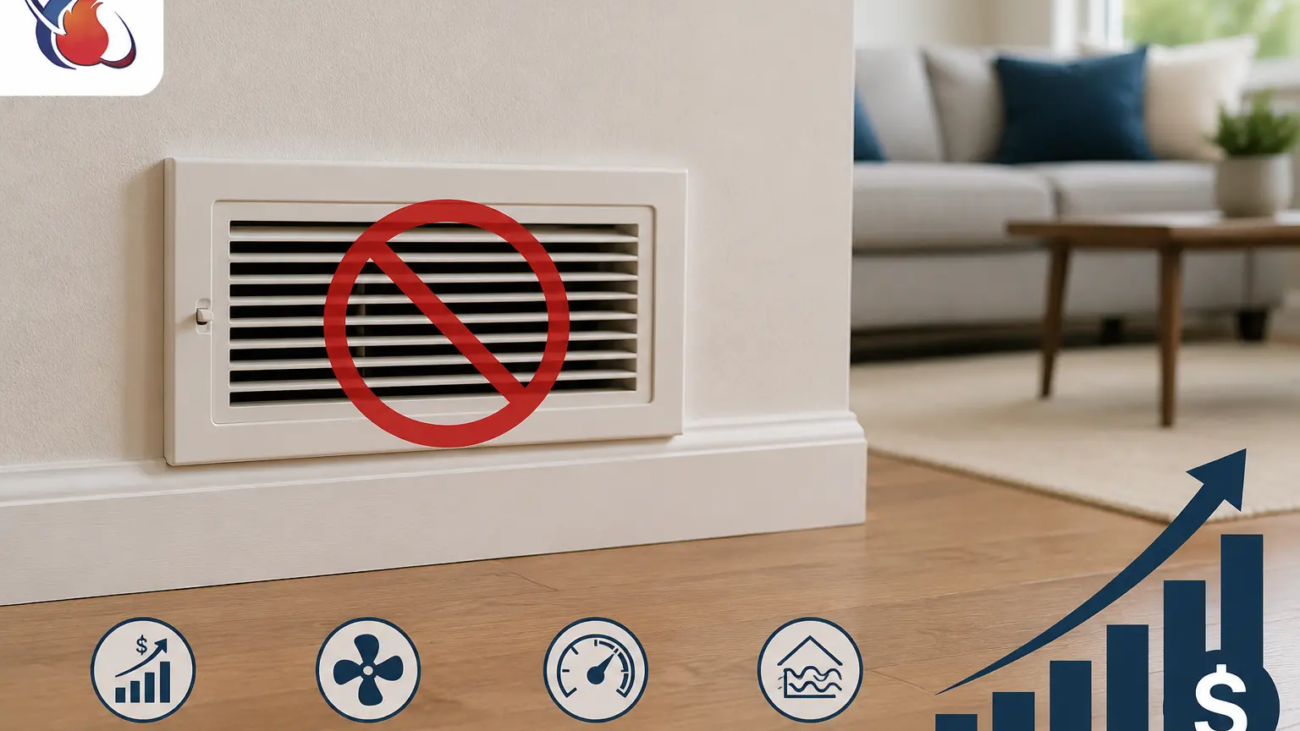
Can Closing Air Vents Increase Your Energy Bills?

Many homeowners believe closing air vents in unused rooms helps save energy and improve cooling efficiency. While this idea may seem logical, closing vents can actually create airflow problems inside your HVAC system and increase your energy bills over time. If you have ever wondered, “Can closing air vents increase your energy bills?” the answer is yes in many situations.

Modern HVAC systems are designed to distribute air evenly throughout the entire home. Restricting airflow by closing vents can force your system to work harder, reduce efficiency, and create unnecessary strain on important components.

Homeowners across Illinois often close vents to reduce cooling costs during summer or improve comfort in specific rooms. However, this common habit may lead to higher utility bills and expensive HVAC repairs.

How HVAC Systems Are Designed to Work

Your heating and cooling system is carefully designed to move conditioned air through your home using a balanced airflow system.

When your AC or furnace operates, it pushes air through:

  • supply ducts
  • air vents
  • return vents
  • ductwork pathways

The system depends on consistent airflow to maintain proper air pressure and temperature balance.

Closing multiple vents changes this airflow balance and may reduce overall system efficiency.

Can Closing Air Vents Increase Your Energy Bills?

Yes, closing air vents can increase your energy bills because your HVAC system still produces the same amount of air regardless of how many vents are closed.

When airflow becomes restricted:

  • air pressure increases inside the duct system
  • the blower motor works harder
  • cooling cycles become longer
  • efficiency decreases

As a result, your HVAC system consumes more electricity while delivering less effective heating or cooling.

Why Restricted Airflow Hurts HVAC Efficiency

Airflow is one of the most important factors in HVAC performance.

When vents are closed, conditioned air has fewer places to go. This pressure buildup can create multiple system problems.

Increased System Pressure

Closed vents create excess pressure inside the ductwork, forcing the HVAC system to work harder to circulate air.

Over time, this may lead to:

  • higher energy consumption
  • duct leaks
  • reduced airflow
  • premature system wear

Longer Cooling Cycles

Restricted airflow can make it harder for your home to reach the thermostat setting efficiently. Your AC may stay on longer, increasing monthly utility costs.

Reduced Comfort Throughout the Home

Closing vents can also create uneven temperatures between rooms. Some areas may become too warm while others feel overly cold.

Can Closing Vents Damage Your HVAC System?

In some cases, yes.

Consistently restricting airflow may place additional stress on HVAC components.

Potential issues include:

  • frozen evaporator coils
  • overheating furnace heat exchangers
  • blower motor strain
  • ductwork damage
  • increased maintenance needs

These problems can reduce system lifespan and increase repair costs.

Why Upstairs Rooms Still Feel Hot

Many Illinois homeowners close downstairs vents hoping to redirect more cool air upstairs. Unfortunately, this often creates pressure problems instead of improving airflow.

Hot upstairs rooms are usually caused by:

  • poor attic insulation
  • improper duct balancing
  • limited return airflow
  • heat rising naturally
  • inadequate HVAC zoning

A professional HVAC inspection can identify the actual cause of uneven temperatures.

Does Closing One Vent Cause Problems?

Closing one vent occasionally may not create major issues. However, closing multiple vents throughout the home can significantly impact airflow and HVAC performance.

The more vents you close, the greater the pressure imbalance inside the system.

Better Ways to Reduce Energy Bills

Instead of closing vents, homeowners can improve HVAC efficiency using safer and more effective methods.

Replace Air Filters Regularly

Dirty air filters reduce airflow and force your system to work harder.

Schedule HVAC Maintenance

Professional maintenance helps improve airflow, efficiency, and system performance before peak summer or winter seasons.

Use a Smart Thermostat

Smart thermostats help regulate temperatures efficiently while reducing unnecessary energy usage.

Seal Air Leaks

Air leaks around windows, doors, and attics can increase HVAC workload and energy costs.

Improve Insulation

Proper insulation helps maintain indoor temperatures and reduces cooling loss during summer.

Signs Your HVAC System Has Airflow Problems

Restricted airflow can create noticeable warning signs throughout your home.

Watch for:

  • weak airflow from vents
  • rising utility bills
  • uneven temperatures
  • excessive dust
  • noisy ductwork
  • rooms that never cool properly
  • AC running constantly

Ignoring these issues may increase system wear over time.

How Professional HVAC Service Can Help

An HVAC technician can inspect:

  • ductwork airflow
  • vent pressure
  • blower performance
  • air balancing
  • thermostat calibration
  • insulation concerns

Professional airflow testing helps identify hidden efficiency problems before they lead to costly repairs.

Should You Keep Air Vents Open?

In most homes, keeping air vents open supports proper airflow and HVAC efficiency. Modern systems are designed to distribute air evenly throughout the home rather than isolate specific rooms.

If certain rooms feel uncomfortable, the problem is usually related to airflow balancing, insulation, or ductwork issues rather than the need to close vents.

Frequently Asked Questions

Can closing air vents increase your energy bills?

Yes. Closing vents can increase duct pressure and force your HVAC system to work harder, leading to higher energy usage.

Is it bad to close vents in unused rooms?

Closing multiple vents may reduce airflow efficiency and place extra strain on HVAC components.

Can closed vents damage ductwork?

Yes. Increased air pressure can sometimes contribute to duct leaks and airflow problems over time.

Why does my AC run longer after closing vents?

Restricted airflow makes it harder for conditioned air to circulate properly, causing longer cooling cycles.

What is the best way to lower HVAC energy costs?

Regular HVAC maintenance, filter replacement, proper insulation, and smart thermostat usage are safer and more effective ways to reduce energy bills.

Final Thoughts

Can closing air vents increase your energy bills? In many homes, the answer is yes. Restricting airflow can reduce HVAC efficiency, increase system strain, and create uneven indoor comfort.

Instead of closing vents, homeowners should focus on improving airflow, insulation, and HVAC maintenance to keep energy costs under control while maintaining consistent comfort throughout the home.

How Often Should You Get an AC Tune-Up in Illinois?

What That Strange AC Noise Is Trying to Tell You

What That Strange AC Noise Is Trying to Tell You is something many homeowners wonder when their air conditioner suddenly starts making unusual sounds. While every HVAC system produces some normal operating noise, loud or unexpected sounds often indicate a developing problem that should not be ignored.

Strange AC noises are frequently early warning signs of mechanical wear, airflow issues, electrical problems, or failing components. Addressing these issues quickly can help prevent expensive repairs and unexpected system breakdowns during the hottest days of summer.

For homeowners in Naperville, Plainfield, and surrounding Illinois communities, understanding what different AC noises mean can help protect both comfort and HVAC system performance.

Why Is My Air Conditioner Making Strange Noises?

Air conditioners contain many moving parts that work together to cool your home.

When one component begins to malfunction, it often creates unusual sounds before complete failure occurs.

Common causes include:

  • Loose parts
  • Electrical issues
  • Refrigerant problems
  • Worn motors
  • Damaged fan blades
  • Airflow restrictions
  • Failing compressors

The type of noise your AC produces often provides clues about the underlying issue.

What That Strange AC Noise Is Trying to Tell You

Different sounds often point to different HVAC problems.

Learning to identify these noises can help homeowners determine when professional AC repair is necessary.

Buzzing Sounds

A buzzing noise is one of the most common air conditioner complaints.

Possible causes include:

  • Electrical issues
  • Loose wiring
  • Failing capacitors
  • Dirty condenser coils
  • Loose components

Electrical problems should always be inspected by a qualified HVAC technician.

Banging or Clanking Noises

Loud banging sounds usually indicate a mechanical problem inside the system.

Common causes include:

  • Loose blower components
  • Damaged fan blades
  • Broken motor mounts
  • Internal compressor issues

Ignoring banging sounds may result in significant equipment damage.

Grinding Sounds

Grinding noises often indicate metal components rubbing together.

Potential causes include:

  • Worn motor bearings
  • Blower motor failure
  • Lack of lubrication

If grinding noises continue, the affected motor may eventually fail completely.

Screeching or Squealing Noises

High-pitched squealing sounds often come from:

  • Belt problems
  • Motor issues
  • Worn bearings
  • Blower assembly problems

While some systems no longer use belts, squealing noises still commonly indicate motor-related issues.

Clicking Sounds

A brief click during startup or shutdown is usually normal.

However, repeated clicking may indicate:

  • Thermostat issues
  • Electrical relay problems
  • Faulty control boards
  • Capacitor failure

Frequent clicking should be professionally evaluated.

Rattling Sounds

Rattling noises may occur when parts become loose over time.

Possible causes include:

  • Loose screws
  • Damaged fan blades
  • Debris inside the outdoor unit
  • Ductwork vibration

Small rattles can quickly become larger repair problems if ignored.

Hissing Sounds

Hissing noises are often associated with refrigerant leaks.

Signs may include:

  • Reduced cooling
  • Longer cooling cycles
  • Higher utility bills
  • Weak airflow

Refrigerant issues require professional repair and should not be ignored.

Why Strange Noises Often Get Worse During Summer

Summer places significant stress on HVAC systems throughout Illinois.

During periods of heavy use:

  • Existing problems become more noticeable
  • Components experience greater wear
  • Cooling systems operate longer
  • Minor issues worsen faster

This is why many homeowners first notice strange sounds during heat waves.

Can AC Noises Affect Energy Efficiency?

Yes.

When HVAC components are struggling or damaged, the system often becomes less efficient.

This can result in:

  • Higher energy bills
  • Longer cooling cycles
  • Reduced airflow
  • Poor indoor comfort

Addressing unusual noises early can help improve overall HVAC performance.

Signs You Need Immediate AC Repair

You should schedule professional service if strange noises are accompanied by:

  • Warm air from vents
  • Weak airflow
  • Constant cycling
  • Burning smells
  • Water leaks
  • Rising utility bills

Multiple symptoms often indicate a larger HVAC issue.

How Professional HVAC Inspections Help

A trained technician can inspect:

  • Blower motors
  • Electrical components
  • Refrigerant levels
  • Fan assemblies
  • Compressors
  • Airflow performance

Early diagnosis often prevents more expensive repairs later.

How to Prevent AC Noise Problems

Preventative maintenance is one of the best ways to reduce unexpected HVAC issues.

Replace Air Filters Regularly

Clean filters help maintain proper airflow.

Schedule Annual AC Maintenance

Professional inspections can identify worn components before failure occurs.

Keep Outdoor Units Clean

Remove debris, leaves, and grass around the condenser.

Address Small Problems Early

Minor HVAC issues are usually less expensive to repair than major breakdowns.

Frequently Asked Questions

Why is my AC making strange noises?

Loose components, worn motors, electrical issues, refrigerant problems, or airflow restrictions may cause unusual HVAC noises.

Is a buzzing AC dangerous?

Buzzing sounds may indicate electrical issues or failing components and should be inspected by a professional.

What does a rattling air conditioner mean?

Rattling often results from loose parts, debris, or damaged fan components.

Can refrigerant leaks cause hissing sounds?

Yes. Hissing noises are commonly associated with refrigerant leaks and should be addressed immediately.

When should I call for AC repair?

If unusual noises continue or occur alongside cooling problems, weak airflow, or rising energy bills, professional service is recommended.

Final Thoughts

What That Strange AC Noise Is Trying to Tell You can provide valuable insight into the health of your HVAC system. Buzzing, banging, grinding, squealing, and hissing sounds often signal problems that should be addressed before they lead to major repairs.

For homeowners throughout Naperville, Aurora, Plainfield, and surrounding Illinois communities, early diagnosis and preventative maintenance can help keep air conditioning systems operating efficiently throughout the summer.

AC Repair Services Naperville

Why Your AC Keeps Turning On and Off in Hot Weather

Why Your AC Keeps Turning On and Off in Hot Weather is a common HVAC problem that many homeowners experience during the hottest months of the year. If your air conditioner starts, runs for a short time, shuts off, and then quickly turns back on again, your system may be short cycling. How Small AC Problems Turn Into Expensive Repairs?

Short cycling not only reduces comfort inside your home but can also increase energy bills, accelerate wear and tear on HVAC components, and lead to costly repairs if left unresolved. For homeowners in Naperville, Aurora, Plainfield, and surrounding Illinois communities, understanding why an AC short cycles is essential for keeping cooling systems running efficiently during summer.

What Is AC Short Cycling?

AC short cycling occurs when an air conditioner repeatedly turns on and off without completing a normal cooling cycle.

Instead of running long enough to properly cool your home, the system shuts down prematurely and restarts again shortly afterward.

Common signs of short cycling include:

  • Frequent on-and-off operation
  • Inconsistent indoor temperatures
  • Higher energy bills
  • Reduced cooling performance
  • Excessive wear on HVAC components

Short cycling should never be ignored because it can eventually damage important system parts.

Why Your AC Keeps Turning On and Off in Hot Weather

Several HVAC issues can cause an air conditioner to cycle frequently during hot weather.

The most common causes include:

  • Dirty air filters
  • Incorrect thermostat placement
  • Refrigerant problems
  • Oversized AC units
  • Electrical issues
  • Dirty condenser coils
  • Frozen evaporator coils

Identifying the root cause early can help prevent larger HVAC problems later.

Dirty Air Filters Restrict Airflow

One of the most common reasons an AC short cycles is a clogged air filter.

When airflow becomes restricted:

  • The system struggles to circulate cool air
  • Internal temperatures become unbalanced
  • Components experience additional strain
  • Cooling cycles become shorter

A dirty filter forces your AC to work harder while delivering less cooling performance.

Replacing air filters regularly can help improve airflow and system efficiency.

Thermostat Problems Can Trigger Short Cycling

Your thermostat controls when the air conditioner turns on and off.

If the thermostat is located near:

  • Windows
  • Direct sunlight
  • Kitchens
  • Heat-producing appliances

it may incorrectly sense room temperatures.

This can cause the AC to shut off too early or cycle more frequently than necessary.

Upgrading to a smart thermostat may improve cooling performance and temperature accuracy.

Oversized Air Conditioners Often Short Cycle

Many homeowners assume a larger air conditioner automatically performs better. However, oversized HVAC systems often create comfort and efficiency problems. visit now

An oversized AC cools the home too quickly, causing the system to shut off before properly removing humidity from the air.

This results in:

  • Frequent cycling
  • Poor humidity control
  • Uneven temperatures
  • Increased system wear

Proper HVAC sizing is critical for long-term performance.

Low Refrigerant Levels Affect Cooling Performance

Refrigerant plays a crucial role in the cooling process.

If refrigerant levels become low due to leaks or system issues, your AC may:

  • Struggle to cool properly
  • Run inefficiently
  • Short cycle frequently
  • Develop frozen coils

Low refrigerant should always be inspected by a licensed HVAC technician.

Dirty Condenser Coils Increase System Stress

The outdoor condenser unit releases heat from your home.

Over time, dirt, debris, leaves, and grass clippings can accumulate on the condenser coils.

Dirty coils may cause:

  • Reduced cooling efficiency
  • Higher operating temperatures
  • Increased energy usage
  • Frequent cycling

Routine HVAC maintenance helps keep condenser coils clean and operating efficiently.

Frozen Evaporator Coils Can Cause AC Cycling Problems

Frozen evaporator coils often develop when airflow becomes restricted or refrigerant levels are low.

Signs of frozen coils include:

  • Weak airflow
  • Ice buildup
  • Reduced cooling
  • Constant cycling

If ice is visible on your HVAC equipment, professional service may be needed immediately.

Electrical Issues May Cause Frequent Cycling

Modern HVAC systems rely on multiple electrical components to operate correctly.

Problems involving:

  • Capacitors
  • Relays
  • Control boards
  • Wiring connections

can interrupt normal cooling cycles and cause the system to turn on and off repeatedly.

Electrical issues should always be handled by qualified HVAC professionals.

How Short Cycling Affects Your Energy Bills

Short cycling forces the air conditioner to start repeatedly throughout the day.

Startup cycles typically require more energy than steady operation.

As a result:

  • Energy consumption increases
  • Utility bills rise
  • HVAC efficiency decreases

Many homeowners notice higher cooling costs without realizing short cycling may be the cause.

Why Illinois Heat Makes AC Problems Worse

Summer temperatures in Naperville, Aurora, and nearby Illinois communities place significant demands on air conditioning systems.

During extreme heat:

  • HVAC systems run longer
  • Cooling demands increase
  • Existing problems become more noticeable
  • Component failures occur more frequently

Small HVAC issues that go unnoticed during mild weather often become obvious during summer heat waves.

Signs You Need Professional AC Repair

If your air conditioner cycles frequently, professional inspection may be necessary.

Watch for these warning signs:

  • AC turns on and off every few minutes
  • Uneven indoor temperatures
  • Weak airflow
  • Warm air from vents
  • Rising energy bills
  • Strange HVAC noises
  • Ice buildup on equipment

Early diagnosis can help prevent larger repair expenses.

How Professional HVAC Maintenance Helps Prevent Short Cycling

Routine maintenance is one of the best ways to prevent cooling problems.

Professional HVAC service typically includes:

  • Air filter inspection
  • Refrigerant checks
  • Thermostat testing
  • Coil cleaning
  • Electrical inspections
  • Airflow evaluations

Regular maintenance helps improve efficiency and extend equipment lifespan.

Tips to Prevent AC Short Cycling

Homeowners can reduce the risk of short cycling by following simple maintenance practices.

Replace Air Filters Regularly

Clean filters help maintain proper airflow.

Keep Outdoor Units Clean

Remove leaves, grass, and debris from around the condenser.

Schedule Annual AC Maintenance

Preventative inspections help identify issues before they become major repairs.

Monitor Thermostat Performance

Ensure your thermostat is operating correctly and located away from heat sources.

Address Cooling Problems Early

Small HVAC issues are usually less expensive to repair than major component failures.

Frequently Asked Questions

Why does my AC keep turning on and off?

Your AC may be short cycling because of dirty air filters, thermostat issues, refrigerant problems, electrical faults, or an oversized system.

Is short cycling bad for an air conditioner?

Yes. Short cycling increases wear and tear on HVAC components, reduces efficiency, and may shorten system lifespan.

Can a dirty air filter cause AC short cycling?

Yes. Dirty air filters restrict airflow and can cause the system to overheat or operate inefficiently, leading to short cycling.

Should I call an HVAC technician if my AC cycles frequently?

Yes. Frequent cycling often indicates an underlying HVAC issue that should be professionally diagnosed before it causes further damage.

How can I prevent AC short cycling?

Regular maintenance, clean air filters, proper thermostat placement, and prompt repairs can help prevent short cycling problems.

Final Thoughts

Why Your AC Keeps Turning On and Off in Hot Weather is often linked to airflow restrictions, thermostat problems, refrigerant issues, or system sizing concerns. While short cycling may seem like a minor inconvenience, it can significantly impact energy efficiency, indoor comfort, and HVAC lifespan.

For homeowners throughout Naperville, Aurora, Plainfield, and surrounding Illinois communities, addressing AC cycling issues early can help prevent costly repairs and keep cooling systems operating efficiently throughout the hottest days of summer.

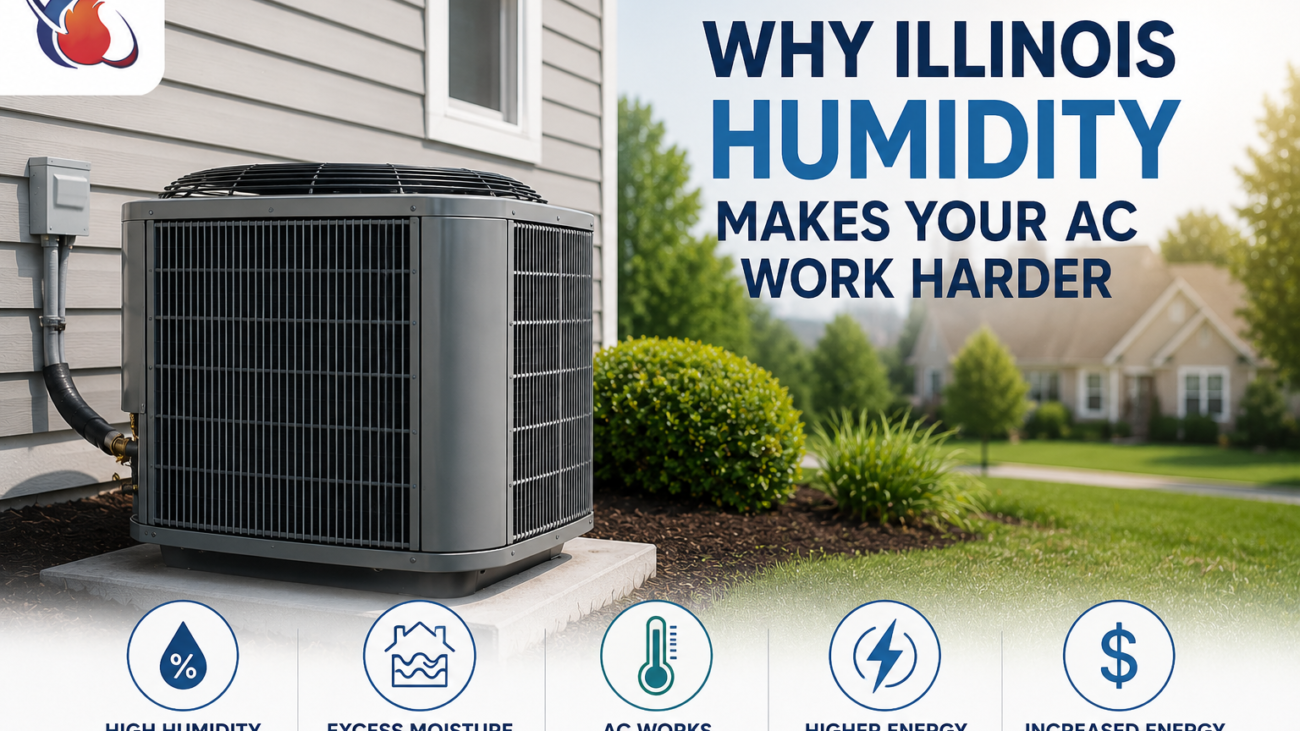
Why Illinois Humidity Makes Your AC Work Harder

Why Illinois Humidity Makes Your AC Work Harder

During summer in Illinois, many homeowners notice their air conditioner running longer than usual even when the thermostat is set correctly. High indoor humidity can make your home feel warmer, heavier, and far less comfortable even while the AC is running constantly.

Why Illinois humidity makes your AC work harder comes down to how air conditioning systems remove both heat and moisture from indoor air. In areas like Naperville, Aurora, Plainfield, and surrounding Illinois communities, summer humidity levels can place extra strain on HVAC systems and increase monthly energy bills.

Understanding how humidity affects cooling performance can help homeowners improve comfort, reduce HVAC strain, and prevent unnecessary system wear during peak summer months.

Why Illinois Summers Feel More Uncomfortable

Illinois summers often combine:

  • high temperatures
  • elevated humidity
  • heavy moisture in the air
  • poor indoor airflow

Humidity makes the air feel warmer than the actual temperature because moisture prevents sweat from evaporating efficiently from the body.

This means your home may still feel uncomfortable even if your thermostat shows the desired temperature.

Why Illinois Humidity Makes Your AC Work Harder

Air conditioners do more than cool the air. They also remove excess humidity from inside the home.

When humidity levels rise outdoors, your AC system must:

  • run longer cooling cycles
  • remove additional moisture
  • work harder to maintain comfort
  • consume more electricity

As a result, the system experiences increased workload during humid Illinois weather.

How Air Conditioners Remove Humidity

Your AC system removes humidity through the evaporator coil.

Warm indoor air passes over the cold coil, causing moisture in the air to condense into water droplets. That moisture then drains away from the system.

During extremely humid weather, your air conditioner must continuously remove moisture while also lowering indoor temperatures.

This extra demand increases HVAC strain and energy usage.

Signs Humidity Is Affecting Your HVAC System

Many homeowners do not realize humidity may be the main reason their home feels uncomfortable.

Common signs include:

  • sticky indoor air
  • AC running constantly
  • uneven cooling
  • high energy bills
  • condensation on windows
  • musty indoor smells
  • poor airflow
  • rooms feeling damp

If these issues continue, your HVAC system may struggle to control indoor humidity effectively.

Why Your Home Feels Humid Even With the AC Running

If your house still feels humid while the AC operates, several HVAC problems may be contributing to the issue.

Dirty Air Filters

Clogged air filters reduce airflow and make it harder for the system to remove moisture efficiently.

Oversized Air Conditioners

An oversized AC cools the home too quickly and shuts off before removing enough humidity from the air.

Low Refrigerant Levels

Improper refrigerant levels may reduce cooling and dehumidification performance.

Leaky Ductwork

Duct leaks can allow humid outdoor air into the system, reducing overall efficiency.

Poor Ventilation

Limited airflow and ventilation may trap humidity indoors.

Why Humidity Increases Energy Bills

High humidity forces HVAC systems to operate longer and consume more electricity.

When moisture levels remain elevated:

  • cooling cycles become longer
  • indoor comfort decreases
  • thermostat settings are lowered more often
  • system wear increases

Many homeowners lower the thermostat repeatedly trying to feel cooler, which further increases energy usage.

How Humidity Affects Indoor Comfort

Humidity directly impacts how comfortable your home feels.

Even at 72°F, high humidity can make indoor temperatures feel much warmer. Lower humidity levels help indoor air feel cooler naturally.

This is why proper humidity control is important for overall HVAC performance and comfort.

Can Humidity Damage Your HVAC System?

Over time, excessive humidity can contribute to HVAC problems.

Potential issues include:

  • frozen evaporator coils
  • mold growth near ductwork
  • excess condensation
  • blower strain
  • reduced airflow efficiency
  • increased maintenance needs

Ignoring humidity-related issues may shorten HVAC system lifespan.

Why Older Illinois Homes Often Have Humidity Problems

Older homes in Naperville, Aurora, and nearby Illinois areas often struggle with humidity because of:

  • aging insulation
  • outdated ductwork
  • poor attic ventilation
  • air leaks around windows and doors

These conditions allow warm humid air to enter the home more easily during summer.

How to Reduce Indoor Humidity Naturally

Homeowners can improve indoor comfort and HVAC efficiency with several simple steps.

Replace HVAC Filters Regularly

Clean air filters support better airflow and moisture removal.

Schedule Seasonal AC Maintenance

Professional maintenance helps HVAC systems operate efficiently during humid summer weather.

Seal Air Leaks

Preventing humid outdoor air from entering the home reduces HVAC workload.

Use Ceiling Fans

Fans improve air circulation and help rooms feel cooler.

Install a Smart Thermostat

Smart thermostats help manage cooling cycles more efficiently.

Consider a Whole-Home Dehumidifier

Homes with persistent humidity problems may benefit from additional humidity control systems.

How Professional HVAC Service Helps During Humid Illinois Summers

An HVAC technician can inspect:

  • refrigerant levels
  • airflow performance
  • evaporator coils
  • ductwork condition
  • thermostat calibration
  • humidity control performance

Professional inspections help identify hidden efficiency issues before they become major repairs.

Best Indoor Humidity Levels for Homes

Most HVAC professionals recommend maintaining indoor humidity between 30% and 50%.

Higher humidity levels may:

  • reduce comfort
  • increase energy costs
  • encourage mold growth
  • place extra strain on HVAC systems

Maintaining balanced humidity supports healthier indoor air and better cooling performance.

Frequently Asked Questions

Why does humidity make my AC work harder?

Your air conditioner must remove both heat and moisture from the air. High humidity increases system workload and cooling cycle length.

Why does my home feel humid even with the AC on?

Dirty filters, oversized systems, poor airflow, duct leaks, or low refrigerant levels may prevent proper humidity removal.

Can humidity increase energy bills?

Yes. High humidity often causes longer AC cycles and increased electricity usage.

What humidity level should my home have?

Most homes should maintain indoor humidity levels between 30% and 50% for optimal comfort and HVAC efficiency.

Can a dirty air filter affect humidity control?

Yes. Restricted airflow from dirty filters reduces your HVAC system’s ability to remove moisture effectively.

Final Thoughts

Why Illinois humidity makes your AC work harder is directly connected to airflow, moisture removal, and system efficiency. During humid summer months, your HVAC system must work overtime to keep your home cool and comfortable.

Regular maintenance, proper airflow, and humidity control can help reduce energy costs, improve indoor comfort, and protect your HVAC system from unnecessary strain during extreme Illinois weather.

imgi_30_about-banner

What Causes Uneven Temperatures in Multi-Story Homes

Uneven temperatures are one of the most common comfort problems homeowners experience in multi-story houses. Many families notice that upstairs rooms feel much hotter during summer while downstairs areas remain cool. During winter, the opposite may happen, leaving certain rooms colder than others.

Understanding what causes uneven temperatures in multi-story homes can help homeowners improve indoor comfort, reduce HVAC strain, and lower monthly energy costs. In areas like Naperville, Aurora, Plainfield, and surrounding Illinois communities, seasonal weather changes often make these temperature differences even more noticeable.

Several HVAC, airflow, insulation, and structural factors may contribute to uneven temperatures throughout a home.

Why Multi-Story Homes Have Uneven Temperatures

Temperature differences naturally occur because heat rises. Warm air moves upward while cooler air settles on lower floors.

However, when HVAC systems, ductwork, or insulation are not functioning efficiently, these natural temperature changes become much worse.

Many Illinois homeowners experience:

  • hot upstairs bedrooms
  • cold downstairs rooms
  • uneven airflow
  • uncomfortable temperature swings
  • rooms that never feel balanced

These issues can force HVAC systems to work harder than necessary.

What Causes Uneven Temperatures in Multi-Story Homes?

What causes uneven temperatures in multi-story homes usually comes down to airflow imbalance, insulation problems, or HVAC system limitations.

Common causes include:

  • poor airflow distribution
  • inadequate attic insulation
  • ductwork leaks
  • thermostat placement
  • blocked vents
  • aging HVAC systems
  • sun exposure on upper floors

Identifying the root cause helps improve overall home comfort and HVAC efficiency.

Heat Naturally Rises Inside Homes

One of the biggest reasons upstairs rooms feel warmer is because heat naturally rises.

During summer:

  • warm air collects on upper floors
  • attic heat transfers into rooms
  • second-story areas retain heat longer

This creates temperature imbalances throughout the house, especially during hot Illinois summers.

Poor Airflow Between Floors

Airflow problems are one of the most common HVAC-related causes of uneven temperatures.

When airflow becomes restricted:

  • upstairs rooms receive less cooled air
  • lower levels cool faster
  • HVAC cycles become inconsistent

Common airflow issues include:

  • dirty air filters
  • blocked vents
  • undersized ductwork
  • closed dampers
  • blower problems

Proper airflow balancing is essential for maintaining consistent temperatures throughout the home.

Attic Insulation Problems

Attics play a major role in home temperature control.

Poor attic insulation allows heat to enter upper floors more easily during summer and escape during winter.

Signs of insulation problems include:

  • hot upstairs rooms
  • high cooling bills
  • excessive HVAC runtime
  • uncomfortable bedrooms

Many older Illinois homes struggle with insulation efficiency, especially during seasonal weather extremes.

Leaky Ductwork Can Reduce Cooling Efficiency

Leaky ducts may allow conditioned air to escape before reaching upstairs rooms.

This can reduce:

  • cooling efficiency
  • airflow strength
  • indoor comfort

Duct leaks often occur in:

  • attics
  • crawl spaces
  • wall cavities
  • unfinished basements

Professional duct inspections can help identify hidden airflow problems.

Thermostat Placement Affects Home Comfort

Thermostat location can significantly impact temperature balance in multi-story homes.

If the thermostat is located:

  • near windows
  • on lower floors
  • close to kitchens
  • in direct sunlight

it may inaccurately measure indoor temperatures.

This can cause the HVAC system to shut off before upper floors cool properly.

Why Upstairs Bedrooms Stay Hot

Upstairs bedrooms often become the warmest areas in a house because they are exposed to:

  • roof heat
  • direct sunlight
  • limited airflow
  • trapped warm air

Additional causes may include:

  • insufficient return vents
  • closed doors restricting airflow
  • poor insulation around windows

These factors can make second-story rooms uncomfortable during summer nights.

Dirty Air Filters Reduce Airflow

Clogged HVAC filters restrict airflow throughout the system.

This may cause:

  • weaker airflow upstairs
  • longer cooling cycles
  • uneven room temperatures
  • increased energy bills

Replacing filters regularly helps improve airflow and HVAC performance.

Can HVAC System Size Cause Uneven Temperatures?

Yes. Improper HVAC sizing can contribute to temperature inconsistencies.

Oversized HVAC Systems

Oversized systems cool too quickly without circulating air evenly throughout the home.

Undersized HVAC Systems

Undersized systems may struggle to maintain comfortable temperatures during extreme weather.

Professional load calculations help determine proper HVAC sizing.

How Zoning Systems Improve Comfort

Some multi-story homes benefit from HVAC zoning systems.

Zoning systems allow homeowners to:

  • control temperatures separately by floor
  • improve airflow balance
  • reduce energy waste
  • increase indoor comfort

This can help solve persistent upstairs and downstairs temperature differences.

Signs Your Home Has Airflow Problems

Uneven temperatures often indicate underlying airflow issues.

Watch for:

  • hot upstairs rooms
  • weak airflow from vents
  • rooms cooling slowly
  • rising utility bills
  • HVAC running constantly
  • inconsistent temperatures between floors

Ignoring these signs may place additional strain on your HVAC system.

How to Improve Temperature Balance in Multi-Story Homes

Homeowners can improve comfort with several HVAC and home efficiency upgrades.

Replace Air Filters Regularly

Clean filters support stronger airflow throughout the house.

Keep Vents Open

Blocked or closed vents may reduce airflow balance between floors.

Improve Attic Insulation

Proper insulation helps reduce heat transfer into upstairs rooms.

Use Ceiling Fans

Fans help circulate conditioned air more evenly throughout the home.

Schedule HVAC Maintenance

Professional maintenance helps identify airflow, ductwork, and efficiency issues early.

Seal Air Leaks

Preventing outdoor air infiltration improves overall HVAC performance.

Why Professional HVAC Inspections Matter

An HVAC technician can inspect:

  • airflow balance
  • ductwork condition
  • blower performance
  • insulation concerns
  • thermostat calibration
  • HVAC sizing

Professional evaluations help identify the exact cause of uneven temperatures before problems worsen.

Frequently Asked Questions

What causes uneven temperatures in multi-story homes?

Uneven temperatures are usually caused by airflow imbalance, poor insulation, duct leaks, thermostat placement, or natural heat rising.

Why is my upstairs hotter than downstairs?

Warm air rises naturally, and upstairs rooms often experience additional roof heat and limited airflow during summer.

Can dirty air filters affect room temperatures?

Yes. Dirty filters reduce airflow and may create uneven cooling throughout the home.

Does attic insulation affect indoor temperatures?

Yes. Poor insulation allows heat transfer, making upstairs rooms harder to cool during summer.

How can I balance temperatures between floors?

Improving airflow, insulation, ductwork efficiency, and HVAC maintenance can help balance temperatures throughout the home.

Final Thoughts

What causes uneven temperatures in multi-story homes often involves a combination of airflow problems, insulation issues, and HVAC system performance. Ignoring these issues can reduce comfort, increase energy bills, and place extra strain on your heating and cooling system.

Professional HVAC inspections and proper home efficiency improvements can help maintain balanced indoor temperatures throughout every season in Illinois homes.

Why Some Rooms Stay Hot Even When the AC Is Running - How Small AC Problems Turn Into Expensive Repairs

Why Some Rooms Stay Hot Even When the AC Is Running

When your air conditioner is running all day but certain rooms in your home still feel hot and uncomfortable, the issue is usually more than just temperature. Uneven cooling is one of the most common HVAC problems homeowners face during Illinois summers, especially in multi-story homes or older properties. Many homeowners in Naperville, Aurora, and surrounding Illinois areas assume their AC unit is failing. In reality, the problem often comes from airflow restrictions, ductwork issues, insulation problems, or an improperly sized HVAC system. Learn more Why Some Rooms Stay Hot Even When the AC Is Running?

Understanding the real cause can help improve comfort, lower energy bills, and reduce unnecessary strain on your cooling system.

What Causes Uneven Cooling in a House?

Several HVAC and home-related issues can create hot and cold spots throughout your home.

Poor Airflow From Hvac Vents

Restricted airflow is one of the biggest reasons some rooms stay hotter than others. If conditioned air cannot properly circulate through your home, certain rooms may never reach the desired temperature.

Common airflow problems include:

  • Blocked air vents
  • Dirty air filters
  • Leaking ductwork
  • Closed dampers
  • Furniture covering vents

Even small airflow restrictions can reduce cooling efficiency over time.

Why Upstairs Rooms Feel Hotter

Many Illinois homeowners notice that upstairs bedrooms stay warmer during summer months. Heat naturally rises, causing second floors to retain more warmth throughout the day.

Additional reasons include:

  • Poor attic insulation
  • Roof heat transfer
  • Long duct runs
  • Inadequate return airflow
  • Sun exposure on upper floors

If your HVAC system struggles to cool upper rooms consistently, your system may require airflow balancing or duct adjustments.

Dirty Air Filters Can Reduce Cooling Performance

A clogged HVAC air filter restricts airflow throughout the entire system. When airflow decreases, your AC unit has to work harder while delivering less cooled air into your living spaces.

Signs of a dirty filter include:

  • Weak airflow from vents
  • Increased dust indoors
  • Higher energy bills
  • Longer cooling cycles
  • Uneven room temperatures

Replacing filters regularly helps maintain proper airflow and system efficiency.

Ductwork Problems Often Go Unnoticed

Leaky or damaged ductwork can significantly impact indoor comfort. In many homes, cooled air escapes into attics, crawl spaces, or wall cavities before reaching certain rooms.

Signs of duct problems include:

  • Rooms that never cool properly
  • Whistling sounds in walls or ceilings
  • Higher utility costs
  • Excessive dust
  • Uneven airflow between rooms

Professional duct inspections can identify hidden leaks and airflow restrictions.

Incorrect HVAC System Size

An oversized or undersized air conditioner can create comfort issues throughout your home.

Oversized AC Units

An oversized system cools too quickly and shuts off before air properly circulates. This can leave certain rooms warm while increasing indoor humidity.

Undersized AC Units

An undersized system may run continuously without reaching the desired temperature during peak summer heat.

Proper HVAC sizing is essential for balanced indoor comfort.

Insulation Plays a Bigger Role Than Most Homeowners Realize

Even a well-functioning AC system can struggle if your home lacks proper insulation.

Poor insulation allows heat to enter through:

  • Attics
  • Walls
  • Windows
  • Crawl spaces
  • Garage ceilings

Homes with insufficient insulation often experience inconsistent temperatures between rooms.

How Thermostat Placement Affects Cooling

Thermostat location can also impact room temperatures.

If your thermostat is installed near:

  • windows
  • kitchens
  • direct sunlight
  • warm hallways

it may inaccurately read indoor temperatures and shut the system off too early.

Relocating the thermostat or upgrading to a smart thermostat may improve overall comfort.

Can Closing Air Vents Make Rooms Cooler?

Many homeowners believe closing vents in unused rooms helps redirect air elsewhere. In reality, closing vents can increase pressure inside the duct system and reduce HVAC efficiency.

This may lead to:

  • higher energy bills
  • airflow imbalance
  • frozen evaporator coils
  • additional strain on the blower motor

Keeping vents open usually supports better airflow throughout the home.

Signs Your HVAC System Needs Professional Inspection

If some rooms consistently stay hotter than others, professional HVAC service may be necessary.

Watch for these warning signs:

  • Uneven temperatures between rooms
  • Weak airflow
  • AC constantly running
  • High humidity indoors
  • Rising utility bills
  • Strange noises from vents
  • Frequent thermostat adjustments

Addressing these issues early may help prevent larger HVAC repairs later.

How Professional HVAC Service Helps Improve Indoor Comfort

A professional HVAC technician can inspect:

  • airflow performance
  • ductwork condition
  • refrigerant levels
  • thermostat calibration
  • insulation concerns
  • system sizing

Identifying the root cause helps restore balanced cooling and improve energy efficiency.

Preventing Uneven Cooling Problems

Homeowners can reduce cooling problems by following simple HVAC maintenance practices.

Helpful HVAC Maintenance Tips

  • Replace air filters regularly
  • Keep vents unobstructed
  • Schedule seasonal AC maintenance
  • Seal duct leaks
  • Improve attic insulation
  • Use ceiling fans for air circulation
  • Install programmable thermostats

Preventative maintenance helps your HVAC system operate more efficiently during extreme Illinois temperatures.

Frequently Asked Questions

Why is one room hotter than the rest of the house?

Uneven airflow, poor insulation, blocked vents, duct leaks, or thermostat placement issues are common reasons one room stays hotter than others.

Can dirty air filters cause uneven cooling?

Yes. Dirty HVAC filters restrict airflow, making it harder for cooled air to circulate evenly throughout the home.

Why does my upstairs stay hotter during summer?

Heat rises naturally, and upstairs rooms often receive more roof heat and sun exposure. Poor insulation and airflow can worsen the problem.

Should I close vents in unused rooms?

No. Closing vents may increase duct pressure and reduce HVAC efficiency, potentially causing airflow and cooling problems.

Can ductwork leaks affect cooling performance?

Yes. Leaky ducts allow cooled air to escape before reaching your rooms, reducing comfort and increasing energy costs.

How often should HVAC systems be serviced?

Most HVAC systems should receive professional maintenance at least twice per year, typically before summer and winter seasons.

Final Thoughts

If some rooms in your home always feel warmer than others, your HVAC system may be struggling with airflow, ductwork, insulation, or efficiency issues. Ignoring uneven cooling can increase energy costs and place additional stress on your AC system over time.

Professional HVAC inspections can help identify the root cause and improve comfort throughout your home before small issues turn into major repairs.

Commercial Refrigeration Installation & Repair , Commercial & Residential HVAC Contractor Naperville

Heat Pump Repair: Common Problems, Warning Signs & When to Call a Professional

A heat pump is one of the most efficient HVAC systems because it provides both heating and cooling throughout the year. However, this year-round usage also means it experiences more wear and tear compared to traditional systems. Over time, small issues begin to develop, and if they are ignored, they can quickly turn into serious problems.

Many homeowners assume their heat pump is working fine as long as it turns on. But performance issues often start subtly, such as reduced efficiency, longer cycles, or uneven temperatures. These early warning signs are easy to overlook, but they are your system’s way of telling you that something needs attention.

Understanding when your heat pump needs repair can help you avoid costly breakdowns, reduce energy bills, and maintain consistent comfort in your home.

When Does a Heat Pump Need Repair?

A heat pump needs repair when it stops maintaining temperature, runs continuously, makes unusual noises, or causes a noticeable increase in energy bills. These signs indicate that the system is no longer operating efficiently and requires professional inspection.

Reduced Heating or Cooling Performance

One of the most common signs of a failing heat pump is reduced performance. If your system is no longer heating or cooling your home effectively, it usually means something is wrong internally.

This problem often starts gradually. You may notice that it takes longer for your home to reach the desired temperature, or that certain rooms feel less comfortable than others. Over time, the issue becomes more noticeable, and the system struggles to maintain consistent performance.

Reduced efficiency can be caused by refrigerant issues, airflow restrictions, or worn-out components. Addressing the problem early can prevent further damage and restore performance.

Heat Pump Running Constantly

If your heat pump seems to be running all the time, it’s a clear sign that something is wrong. While heat pumps are designed to run longer cycles than traditional systems, they should not run continuously without reaching the desired temperature.

Continuous operation often indicates that the system is struggling to maintain efficiency. This can be caused by dirty filters, thermostat issues, or low refrigerant levels. Over time, this constant strain increases wear on the system and leads to higher energy bills.

Unusual Noises from the System

Heat pumps are generally quiet, so any unusual noise should be taken seriously. Grinding, buzzing, or rattling sounds often indicate mechanical or electrical problems.

These noises are usually a sign that internal components are wearing out or malfunctioning. Ignoring them can lead to more serious damage, which may require expensive repairs or even system replacement.

Frequent Cycling and Temperature Fluctuations

Short cycling occurs when your heat pump turns on and off frequently without completing a full cycle. This behavior reduces efficiency and places additional stress on the system.

Temperature fluctuations are another related issue. If your home feels too hot one moment and too cold the next, it means your heat pump is not maintaining consistent performance.

These problems are often linked to thermostat issues, airflow restrictions, or system imbalance.

Rising Energy Bills Without Increased Usage

One of the clearest signs of a heat pump problem is a sudden increase in energy bills. When your system becomes inefficient, it uses more energy to produce the same level of comfort.

Many homeowners overlook this sign, assuming the increase is due to weather changes. However, a consistent rise in energy costs usually indicates that your heat pump is working harder than it should.

Ice Buildup on the Outdoor Unit

Ice formation on the outdoor unit is a common issue with heat pumps, especially during colder months. While some frost is normal, excessive ice buildup is not.

This problem can prevent the system from operating efficiently and may indicate airflow issues or refrigerant problems. If not addressed, it can lead to further damage and reduced performance.

Common Heat Pump Problems Explained

Heat pumps can develop a variety of issues over time. Refrigerant leaks are one of the most common and can significantly affect performance. Electrical issues, such as faulty wiring or failing components, can also disrupt operation.

Mechanical wear is another factor. Because heat pumps run year-round, components such as motors and fans experience continuous use. Without proper maintenance, these parts can wear out and require repair.

Understanding these common problems helps homeowners recognize when professional service is needed.

Why Delaying Heat Pump Repair Increases Costs

Delaying repair is one of the biggest mistakes homeowners make. Small issues rarely stay small. As the system continues to operate under stress, other components are affected, leading to more extensive damage.

This not only increases repair costs but also reduces the lifespan of your heat pump. Addressing problems early helps maintain efficiency and prevents unexpected breakdowns.

When to Call a Professional Technician

While some basic maintenance tasks can be handled at home, most heat pump repairs require professional expertise. If your system shows any of the warning signs mentioned above, it’s best to call a technician.

A professional can accurately diagnose the issue, perform necessary repairs, and ensure that your system operates safely and efficiently. Attempting to fix complex problems without proper knowledge can lead to further damage.

Preventing Future Heat Pump Issues

Regular maintenance is essential for keeping your heat pump in good condition. Annual inspections help identify potential problems early and ensure that all components are functioning properly.

Cleaning filters, checking airflow, and monitoring system performance can significantly reduce the risk of breakdowns. Preventive maintenance not only extends the lifespan of your system but also improves efficiency.

Conclusion: Fix Issues Early to Avoid Bigger Problems

Heat pump problems rarely happen suddenly. They develop over time, giving you clear warning signs before a major failure occurs. Recognizing these signs and taking action early can save you money and ensure consistent comfort in your home.

A well-maintained heat pump provides reliable performance throughout the year. When issues arise, addressing them promptly is the best way to protect your system and avoid unnecessary expenses.

FAQs

How do I know if my heat pump needs repair?

You can tell your heat pump needs repair when it struggles to maintain temperature, runs continuously, or produces unusual noises. Other signs include higher energy bills, weak airflow, and inconsistent heating or cooling. These symptoms indicate that the system is not operating efficiently and should be inspected by a professional before the issue worsens.

Why is my heat pump running but not heating or cooling properly?

If your heat pump is running but not delivering the expected temperature, it could be due to low refrigerant levels, airflow restrictions, thermostat issues, or worn-out components. These problems prevent the system from transferring heat effectively, which reduces performance. A professional diagnosis is usually required to identify and fix the exact cause.

How much does heat pump repair cost?

Heat pump repair costs typically range from $150 to $1,000 depending on the type of issue and the parts required. Minor repairs such as thermostat adjustments are more affordable, while major component repairs like compressors or motors can be more expensive. Addressing problems early can help keep costs lower.

Should I turn off my heat pump if it’s not working properly?

Yes, if your heat pump is making unusual noises, not heating or cooling properly, or showing signs of malfunction, it’s best to turn it off. Running a faulty system can cause additional damage and increase repair costs. Turning it off until a professional inspects it helps protect your system.

How long does heat pump repair take?

Most heat pump repairs can be completed within one to three hours, depending on the complexity of the issue. Simple fixes take less time, while more complex problems may require additional work or parts. A technician can provide a more accurate estimate after diagnosing the system.

worker-performs-maintenance-on-equipment-with-glov-2026-02-11-21-38-19-utc

Professional Furnace Repair: Common Problems, Warning Signs & When to Call a Professional

When your furnace starts acting up, it rarely fails without warning. Most systems show clear signs before a breakdown, but homeowners often ignore them until the situation becomes urgent. The problem is that a small issue inside your furnace doesn’t stay small for long. It gradually puts pressure on other components, leading to higher repair costs and unexpected system failure.

During colder months, a faulty furnace is more than just an inconvenience. It can affect your comfort, increase your energy bills, and even create safety concerns. This is why understanding common furnace problems and knowing when to call for professional furnace repair is essential.

When Do You Need Furnace Repair?

A heat pump needs repair when it stops heating or cooling effectively, makes unusual noises, cycles frequently, or causes a noticeable increase in energy bills. These are clear signs that the system is not operating efficiently.

Reduced Heating or Cooling Performance

You need furnace repair when your system stops heating properly, makes unusual noises, cycles frequently, or causes a sudden increase in energy bills. These signs indicate that your furnace is not operating efficiently and requires professional attention.

Uneven Heating and Poor Performance

One of the first signs of a furnace issue is uneven heating throughout your home. Some rooms may feel warm, while others remain cold. This usually happens when your furnace is struggling to distribute heat properly.

In many cases, the problem is related to airflow restrictions, clogged filters, or internal component wear. As the system works harder to compensate, efficiency drops, and energy consumption increases. If this issue is ignored, it can lead to further damage and reduced system lifespan.

Strange Noises Coming from the Furnace

Furnaces are designed to operate quietly, so any unusual sound is a warning sign. Banging noises often indicate delayed ignition, which can damage internal components over time. Squealing or grinding sounds may point to motor or belt issues, while rattling could mean loose parts inside the system.

These noises do not fix themselves. In fact, they usually get worse. Addressing them early can prevent more serious and expensive repairs later.

Furnace Constantly Turning On and Off

Short cycling is another common issue where the furnace turns on and off repeatedly without completing a full heating cycle. This behavior not only reduces comfort but also places unnecessary stress on the system.

Short cycling can be caused by thermostat problems, overheating, or airflow issues. Over time, it can significantly reduce the lifespan of your furnace if not addressed.

Rising Energy Bills Without Explanation

A sudden increase in your heating bill is often one of the clearest signs that your furnace is not operating efficiently. When internal components start to wear out or airflow becomes restricted, the system uses more energy to maintain the same temperature.

Many homeowners overlook this sign, but it’s often an early indication that furnace repair is needed.

Weak or No Airflow

If you notice weak airflow from your vents, your furnace may be struggling to circulate heat. This could be due to a failing blower motor, blocked ducts, or clogged filters.

Poor airflow not only affects comfort but also forces your furnace to run longer cycles, increasing wear and energy costs.

Burning Smell or Unusual Odors

A slight dusty smell when turning on your furnace for the first time is normal. However, strong or persistent odors are not. A burning smell may indicate electrical issues, while a sulfur-like odor could signal a gas leak.

These situations should never be ignored. Safety is a top priority, and professional inspection is required immediately. Read More

Common Furnace Problems Explained

Furnaces can develop several common issues over time. Ignition problems are one of the most frequent and can prevent the system from producing heat. Thermostat malfunctions can cause inaccurate temperature control, leading to inconsistent performance.

Mechanical wear is another factor. Components such as motors, belts, and fans experience stress over time, which can lead to failure if not maintained properly. Understanding these problems helps homeowners recognize when professional repair is necessary.

Why Delaying Furnace Repair Increases Costs

Many homeowners delay furnace repair, hoping the issue will resolve itself or remain manageable. In reality, furnace problems almost always get worse over time. What starts as a minor issue can quickly turn into a major repair if the system continues to operate under stress.

Delaying repair also affects efficiency. A struggling furnace consumes more energy, which increases your monthly bills. Addressing issues early not only saves money but also prevents unexpected breakdowns.

When to Call a Professional Furnace Repair Technician

While basic maintenance tasks such as changing filters can be done at home, most furnace repairs require professional expertise. If your system shows any of the warning signs mentioned above, it’s time to call a technician.

A professional can diagnose the issue accurately, fix it safely, and ensure that your furnace continues to operate efficiently. Attempting to fix complex issues without proper knowledge can lead to further damage and safety risks.

Preventing Future Furnace Problems

Regular maintenance is the best way to prevent furnace issues. Annual inspections help identify small problems before they become serious. Cleaning components, checking airflow, and ensuring proper operation can significantly extend the life of your system.

Preventive care not only reduces repair costs but also improves efficiency and reliability.

Conclusion: Fix Small Problems Before They Become Big

Furnace issues rarely happen suddenly. They develop over time, giving you clear warning signs before a breakdown occurs. Recognizing these signs and taking action early can save you money, improve comfort, and prevent unnecessary stress.

A well-maintained furnace ensures consistent performance and keeps your home warm during the coldest months. When in doubt, it’s always better to address the problem early rather than wait for it to get worse.

FAQs

How Do I Know If My Furnace Needs Repair?

You can tell your furnace needs repair when it stops heating effectively, produces unusual noises, or cycles more frequently than normal. Other signs include weak airflow, rising energy bills, and inconsistent indoor temperatures. These symptoms indicate that your system is under stress and requires professional attention before the problem worsens.

What is the most common furnace problem?

One of the most common furnace problems is ignition failure, which prevents the system from producing heat. Other frequent issues include clogged filters, thermostat malfunctions, and airflow restrictions. While some of these problems may seem minor, they can significantly affect performance and should be addressed promptly to avoid further damage.

How much does furnace repair usually cost?

Furnace repair costs typically range between $150 and $900 depending on the type of issue and the parts involved. Minor repairs such as thermostat adjustments or filter replacements are usually more affordable, while major component repairs like blower motors or heat exchangers can be more expensive. Early diagnosis can help keep costs lower.

Can I run my furnace if it’s not working properly?

It is not recommended to run your furnace if it is not functioning correctly. Continuing to operate a faulty system can cause further damage and increase repair costs. In some cases, it may also create safety risks, especially if there are issues related to gas or electrical components. Turning it off and calling a professional is the safest option.

How long does furnace repair take?

Most furnace repairs can be completed within one to three hours, depending on the complexity of the issue. Simple fixes can be done quickly, while more complex problems may require additional time or parts. A professional technician can provide a more accurate estimate after inspecting the system.

AC Repair Services

Commercial AC Repair: Signs Your System Needs Immediate Service & How to Avoid Downtime

In commercial spaces, air conditioning is not just about comfort it directly affects productivity, customer experience, and business operations. Whether you run an office, retail store, restaurant, or warehouse, a malfunctioning AC system can disrupt your entire workflow.

Unlike residential systems, commercial AC units operate on a much larger scale and often run for extended hours. This makes them more vulnerable to wear and tear. When a problem occurs, it can escalate quickly, leading to downtime, loss of revenue, and even equipment damage.

Understanding when your commercial AC needs repair and acting quickly can help you avoid costly disruptions.

When Does a Commercial AC Need Repair?

A commercial AC system needs repair when it fails to maintain consistent cooling, produces unusual noises, causes uneven temperatures, or leads to a sudden increase in energy costs. These are signs of system inefficiency that require immediate attention.

Inconsistent Cooling Across the Building

One of the most common issues in commercial systems is uneven cooling. Some areas may feel too warm, while others remain comfortable. This is often caused by airflow imbalances, duct issues, or failing components.

In large buildings, this problem can affect employee productivity and customer satisfaction. Addressing it early ensures consistent comfort throughout the space.

System Running Constantly Without Proper Cooling

If your commercial AC is running continuously but not achieving the desired temperature, it indicates inefficiency. This can be caused by dirty coils, refrigerant issues, or system overload.

Continuous operation not only increases energy costs but also puts excessive strain on the system, leading to premature failure.

Unusual Noises and Mechanical Issues

Commercial AC systems are designed for quiet operation despite their size. If you start hearing grinding, banging, or buzzing sounds, it usually indicates mechanical or electrical problems.

Ignoring these noises can lead to major component failure, which may require expensive repairs or system replacement.

Rising Energy Costs Without Increased Usage

A sudden spike in energy bills is often a clear sign that your system is not operating efficiently. Commercial AC units consume significant energy, so even small inefficiencies can result in noticeable cost increases.

Regular maintenance and timely repairs help keep energy consumption under control.

Frequent Breakdowns and System Downtime

If your system requires frequent repairs, it may be a sign of underlying issues. Repeated breakdowns not only increase maintenance costs but also disrupt business operations.

In such cases, a detailed inspection is necessary to identify the root cause and prevent further problems.

Why Immediate Commercial AC Repair Matters

Delaying repair can lead to more serious damage and higher costs. In a commercial setting, downtime can result in lost revenue, reduced productivity, and customer dissatisfaction.

Quick action ensures that your system is restored efficiently and continues to operate reliably.

Preventing Commercial AC Problems

Preventive maintenance is essential for commercial systems. Regular inspections, cleaning, and servicing help identify potential issues before they become major problems.

A well-maintained system runs more efficiently, reduces energy costs, and minimizes downtime.

Choosing the Right Commercial AC Repair Service

Not all HVAC contractors specialize in commercial systems. It’s important to choose a service provider with experience in handling large-scale HVAC systems.

A professional technician will provide accurate diagnosis, efficient repair, and long-term solutions.

Protect Your Business with Timely Repairs

Commercial AC systems are essential for maintaining a comfortable and productive environment. Ignoring problems can lead to costly disruptions and long-term damage.

Timely repair and regular maintenance ensure that your system operates efficiently and supports your business operations. Read More

FAQs

How do I know if my commercial AC needs repair?

You can tell your commercial AC needs repair when it fails to maintain consistent temperature, produces unusual noises, or causes rising energy costs. Other signs include uneven cooling across different areas and frequent system breakdowns. These issues indicate inefficiency and require professional inspection to prevent further damage.

How much does commercial AC repair cost?

Commercial AC repair costs vary widely depending on system size and the complexity of the issue. Minor repairs may cost a few hundred dollars, while major component repairs can be significantly higher. Regular maintenance helps reduce repair costs by preventing major issues.

How often should commercial AC systems be serviced?

Commercial AC systems should be serviced at least twice a year to ensure optimal performance. Regular maintenance helps identify potential issues early, improves efficiency, and extends the lifespan of the system.